












What Is H1N1 Flu? Symptoms, Spread, Diagnosis & Prevention

November 11, 2026
What Is H1N1 Flu?
Influenza is one of the most frequently encountered infections among humans throughout the globe. Of all influenza viruses, Influenza A(H1N1) is particularly famous due to the pandemic it caused in 2009. Although it was popularly known as “swine flu” then, this virus causing the 2009 pandemic later became a seasonal human influenza virus. Currently, A(H1N1)pdm09 exists along with other seasonal influenza viruses, for example, A(H3N2) and influenza B viruses.
It is important to understand H1N1 because influenza may vary from a mild respiratory infection to a serious complication. Although a majority of patients recover without complications, there are certain risk groups. Acquiring knowledge about symptoms, modes of transmission, and prevention in case of H1N1 can help people to recognize a case of influenza if need be.
H1N1 Flu Explained
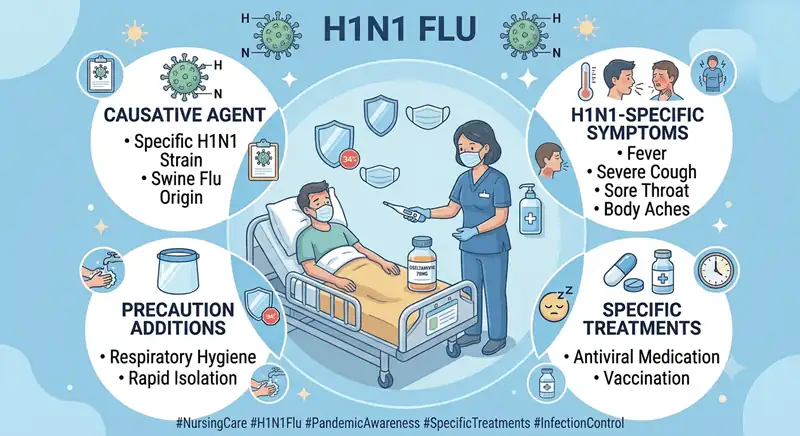
H1N1 flu is a respiratory condition caused by a specific form of the Influenza A virus. The name “H1N1” describes two proteins on the virus: H (haemagglutinin) and N (neuraminidase). The virus responsible for the pandemic in 2009 is known as Influenza A (H1N1) pdm09. Despite the pandemic being over in 2009, the virus has continued to circulate in humans.
Although the term “swine flu” is common in speech, it can be misconstrued. The virus A(H1N1)pdm09 is now classified as a human seasonal flu virus, and its circulation is monitored as part of the global influenza tracking systems undertaken by WHO. WHO emphasizes the continuous evolution of influenza viruses; therefore, tracking issues and changes to the vaccines against these viruses is vital.
How Does H1N1 Flu Spread?
The H1N1 flu is primarily transmitted through aerosols produced by infected individuals. The infected person releases the virus in droplets while coughing, sneezing, or speaking. Contact with contaminated objects may also transmit the virus. Therefore, crowded places and close social interaction are factors that may contribute to the spread of the virus.
Antibiotics should not be used for the treatment of H1N1 flu. Antibiotics are designed to fight bacteria and therefore cannot eliminate viruses like the flu virus. A doctor may prescribe antibiotics only when a bacterial infection develops in addition to H1N1 flu.
How Is H1N1 Diagnosed?
The main element that determines therapy against influenza is the severity of the illness and the risk of complications. In patients with uncomplicated influenza, the treatment consists mainly of bed rest and fluids.
Antivirals should be used in cases of severe influenza or when the individual is at risk of developing complications. Antiviral drugs are most effective when given early in the illness. Individuals at risk for influenza complications should seek medical help as soon as flu symptoms appear.
The use of antibiotics is not advisable for the treatment of H1N1 flu. Antibiotics are used in bacterial infections and are useless in the case of viral infections. Health experts might prescribe the use of antibiotics only when a bacterial infection is also present and causes complications.
How Can H1N1 Flu Be Prevented?
Vaccines play a key role in preventing the seasonal flu. Modern-day seasonal flu vaccines are based on the findings of the surveillance of different seasonal flu viruses and are sometimes modified in order to help cope with the evolution of seasonal flu viruses. Seasonal flu vaccines are also able to protect against certain forms of A(H1N1) viruses.
There are various simple methods for minimizing the probability of transmission of flu and other respiratory viruses. Practicing frequent hand hygiene, covering one’s mouth and nose when coughing or sneezing, avoiding unnecessary close contact with sick people, in addition to keeping oneself at home when having flu-like symptoms, might help curtail transmission of such viruses. It is worth avoiding touching the eyes, nose, and mouth with dirty hands as well.
Conclusion
H1N1 influenza is an Influenza A respiratory disease which became widely known during the 2009 epidemic and later on became established as a seasonal human influenza disease. As of today, the A(H1N1)pdm09 virus is still in circulation along with other seasonal influenza viruses.
Although many recover from the disease without serious complications, H1N1 illness can lead to serious conditions in at-risk populations. It is very important to understand how H1N1 spreads, learn its usual symptoms, ensure good respiratory and hand hygiene, comply with vaccination recommendations, and seek medical help when necessary.
For students and professionals in paramedical and medical fields, it is crucial to learn about different aspects of influenza because health care workers play an important role in the prevention of the disease and educating patients on early symptoms of influenza.
Develop Your Healthcare Skills with DPMI Vocational Institute
A successful healthcare career for the youth can be established by choosing the perfect institution to pursue a paramedical. Allied Health Science course at DPMI Vocational Institute, students get hands-on experience and build confidence by working directly in hospital and clinical settings. The lab training helps students build practical knowledge, and the faculty helps with gaining theoretical knowledge. The labs have all the latest equipments, so one gains the opportunity to learn how things actually work in modern surgery. The process for applying to enrol in the paramedical courses at DPMI Vocational Institute is student-friendly and can be done online. Candidates aiming to secure a spot in the 2026 Academic Year shall visit the official DPMI India Website (www.dpmindia.com).