










Role of Nurses in Nutrition and Sickness: Assessment, Care & Challenges

November 18, 2026
Role of Nurses in Nutrition and Sickness
The contribution of nutrition to health, recovery, as well as quality of life cannot be overestimated. Healthy nutrition provides the body with energy and nutrients necessary for growth, recovery of tissues, functioning of the immune system, and carrying out other processes. Illness, however, may cause significant changes in one’s nutrition needs, while such factors as loss of appetite, pain, medications, problems swallowing food, and problems with the digestive system may affect nutrition.
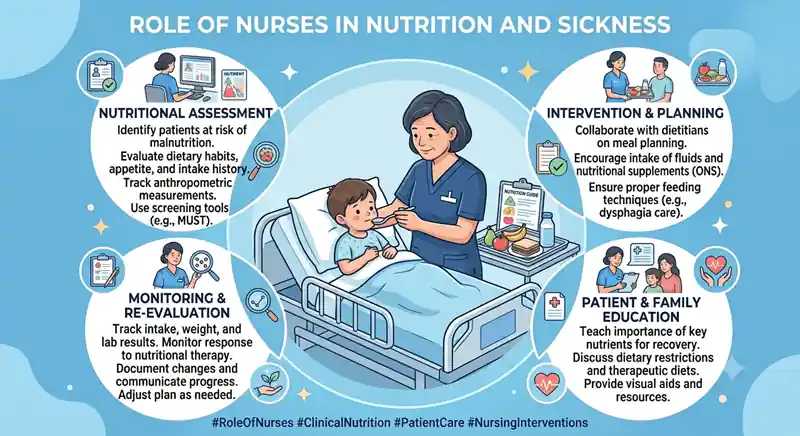
Moreover, the role of the nurse in the field of nutrition is far wider than just assisting the patient during meals. It involves the evaluation of nutrition, education of the patient, development of care and nutrition plans, monitoring, prevention of complications, as well as the evaluation of the outcomes.
Importance of Nutrition During Sickness
Illness makes significant changes in the nutrition needs of the body. In particular, infections and trauma may lead to an increase in metabolism and cause more active breakdown of tissues. Nutritional status is directly correlated with immune function, wound healing, muscle strength, recovery, and reduced risk of getting sick. Malnutrition increases the possibility of infections and lengthens the time spent in the hospital, leading to worse health outcomes. Thus, proper nutrition plays a vital role in patient treatment.
Role of Nurses in Providing Nutritional Care
Nurses are actively involved in implementing personalized nutrition plans for patients. Depending on the type of condition the patient has, this may include help with eating, proper positioning during the meal, efforts to create a suitable atmosphere during the meal, and encouragement of the eating process.
In case of disabilities, nurses can provide additional help with meals, ensuring the patient’s independence when eating. In case the patient develops any issues related to swallowing, the nurse has to be careful about risks related to aspiration and obey recommendations concerning food choices.
Nurses have an obligation to keep track of the patients’ reactions to the food they are eating and inform doctors of any critical changes observed in their conditions. The duties of nurses go beyond normal eating. In the case of enteral or parenteral feeding, additional responsibilities are added for hospitals in terms of nutrition, monitoring of the patient, and recognition of future complications at an early stage.
Nutritional Assessment by Nurses
The early identification of patients at risk of poor nutrition is a major duty of nurses. Nutritional evaluation may include taking into account the following aspects:
- Food consumption (including variations of appetite).
- Unintentional weight fluctuations within the last 6 months.
- Body weight and anthropometric standards of the patient
- Patient’s degree of hydration.
- Capacity to chew, swallow, and eat independently.
- Any gastrointestinal issues including nausea, vomiting, constipation, or diarrhea.
- Medical conditions affecting nutritional needs.
- Impact of medications on appetite or absorption of nutrients.
- Environmental and physical conditions affecting the patient’s feeding abilities.
Through regular evaluations, nurses can discover those patients who might need more than just basic nursing care.
Managing Nutrition-Related Challenges
Illness severely affects the ability of a person to eat, digest, absorb, and use nutrients. Nurses often become the first medical professionals who notice the nutritional deficiencies due to constant interactions with patients. Good nursing consists of noticing problems, helping a patient, monitoring the situation, and sharing the information with the medical staff. The challenges mentioned below shall be taken care of by the nurses.
- Loss of Appetite
It is quite typical for someone to eat less during infection, chronic diseases, recovery after surgical intervention, or after medical procedures. As nurses, one has to look for changes in eating habits in patients and try to identify what might be the reason for the poor eating habits. Some of the most common reasons include pain, nausea, side effects from medications, fatigue, or being emotionally distressed. When appropriate, patients can be encouraged to have smaller, more frequent meals that still provide adequate nutrients, rather than large meals. One can also help patients by creating a healthy atmosphere for consumption of their meals.
- Nausea and Vomiting
Nausea and vomiting can cause nutritionally and fluidly poor intake, leading to dehydration or disturbances in electrolyte levels. Nurses have to monitor how often the symptoms occur and their severity, what causes them, keep track of the fluids taken by the patient, and give them an antiemetic if needed. The dietary allowances should be gradually increased depending on how the patient feels, while severe vomiting should be reported to the doctors as soon as possible.
- Difficulty in Chewing and Swallowing
Patients who suffer from neurological diseases, stroke, oral disorders, or certain age-related problems may experience swallowing difficulties known as dysphagia. Nurses need to look for signs of coughing, choking, voice changes, or trouble with food and fluid intake while eating. Recommended modification of food texture and fluid consistency should be followed, and patients should be correctly positioned while eating in order to reduce the risk of aspiration. If necessary, nurses should make a referral to a speech and language therapist.
- Altered Taste and Smell
Changes in taste and smell might occur because of illness, therapy, and chemotherapy that might affect the perception of food preferred before. Nurses must guide patients about food choices and assist them in searching for acceptable food options according to the required diet. The experience of good oral hygiene can also add to the comfort of eating for the patients.
- Gastrointestinal Disturbances
Symptoms like diarrhea, constipation, stomach pain, stomach bloating, and indigestion may affect the process of getting food and absorbing nutrients. Nurses need to be aware of bowel movements, eating habits, hydration, and symptoms that arise.
Conclusion
The importance of nutrition is widely recognized in patient care as a crucial part of the body’s proper functioning in immunity, recovery, and repair processes. Nursing regarding nutrition goes beyond planning for meal preparations. It involves evaluating patients’ nutrition, counseling them on dietary issues, and planning nutritional interventions.
By taking into account the patient’s medical diagnosis, health status, functional abilities, preferences, and dignity, the nurse can make sure that the nutritional intervention is not only medically appropriate but also patient-oriented. The collaborative work with physicians, dietitians, and healthcare professionals makes the nutritional management process effective and continuous. Thus, the application of nutrition in nursing practice makes recovery easier and is helpful for better nursing care delivery.
Build Your Nursing Career with DPMI School of Nursing
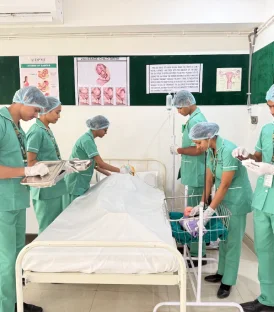
At the DPMI school of Nursing, students get hands-on experience and build confidence by working directly in hospital and clinical settings. The lab training helps students build practical knowledge, and the faculty helps with gaining theoretical knowledge. The labs have all the latest equipment, so one gains the opportunity to learn how things actually work in modern surgery.
After enrolling is the Nursing Course at DPMI school of Nursing, the faculty and the institute help you land an internship and support the students in getting placed after completing their course tenure. The curriculum covers everything, beginning with technical know-how, patient care, and ending with surgical procedures. By the end of the course period, students, in addition to being perfect with the book learnings, get to understand the expectations of nurses in a real hospital setting.