






Key Areas of Specialization
- Restaurant & Fine Dining Service
- Beverage & Mixology
- Hotel & Resort F&B Operations
- Cruise Ship
- Food Retail
- Entrepreneurship & F&B Business
- Airline Catering Service
- Quick Service Restaurants




If you've been searching for a Hotel Management Institute in Noida and feel like every website says roughly the same three things, DPMI is worth a closer look. The institute has spent years building a name for itself in Delhi NCR's hospitality education space, not through big claims, but by getting students onto an actual hotel floor while they're still studying.
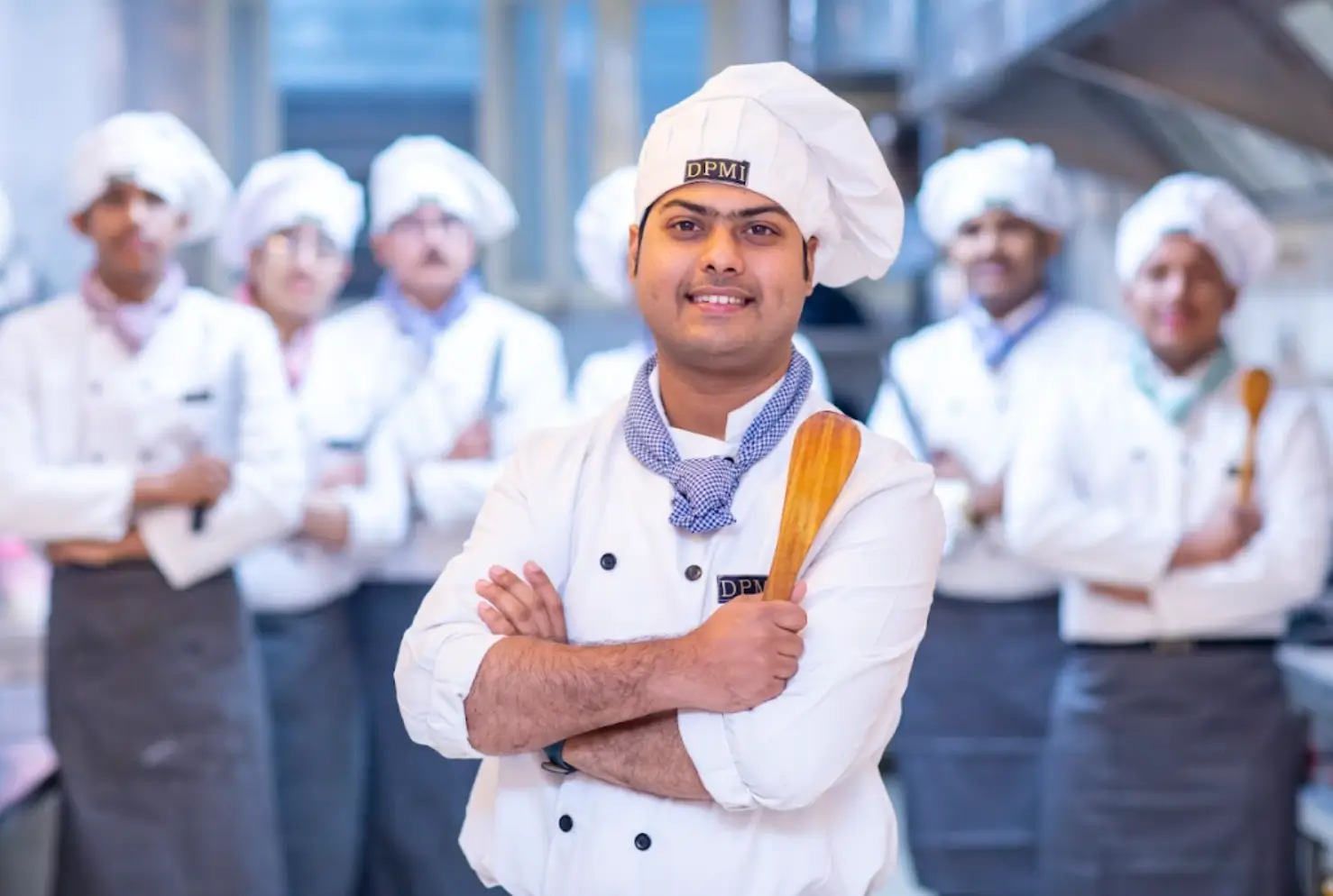
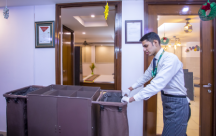
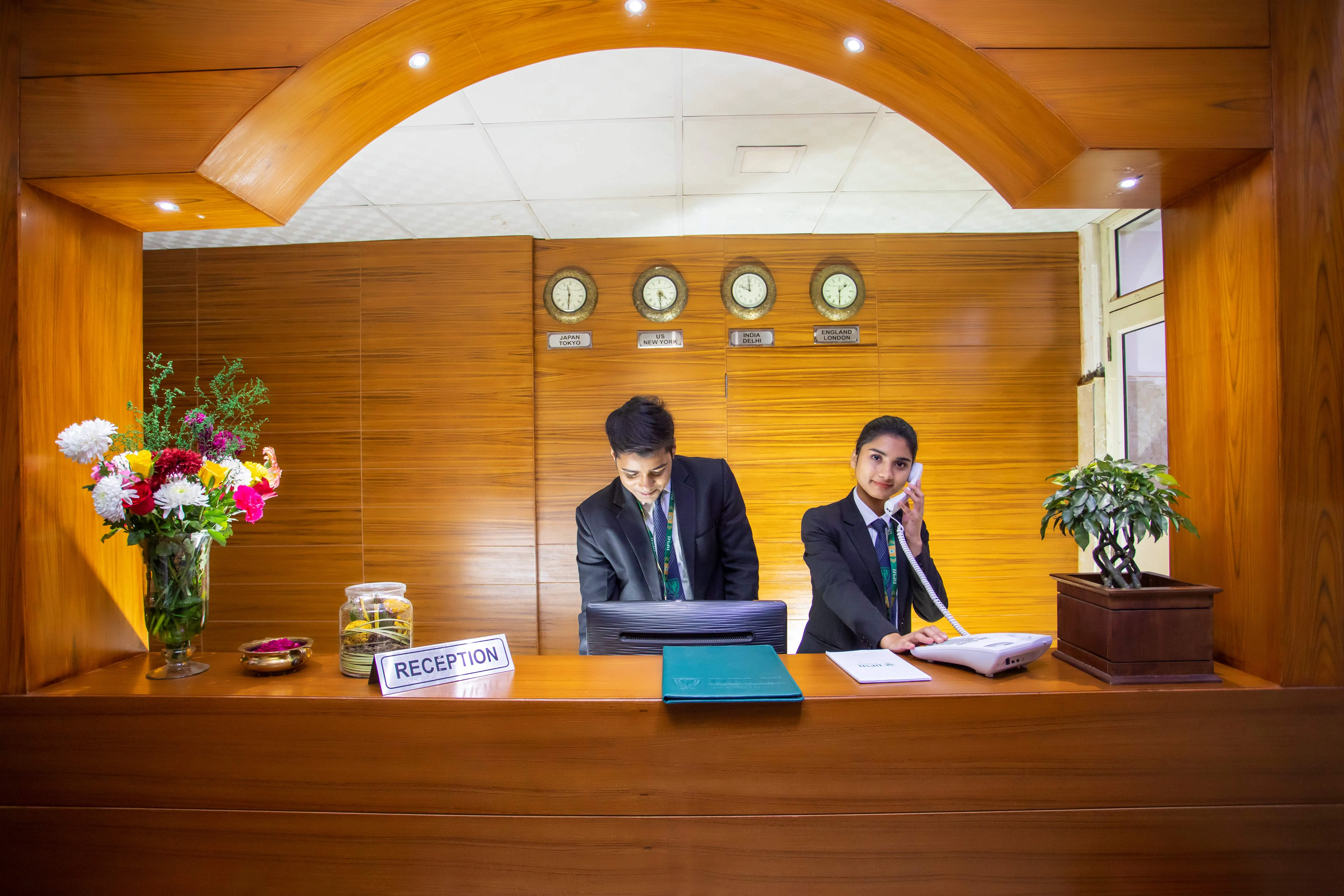
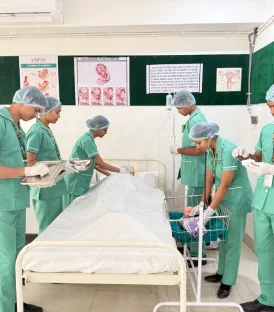
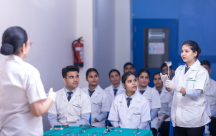
Classes aren't just lectures and textbooks. Students work in training kitchens, practice at mock front desks, and run through housekeeping drills that mirror what happens on a real property. Faculty aren't fresh out of academia either; most of them have worked in hotels themselves, and that shows in how practical the teaching feels.

Picking a hospitality school is one of those decisions that quietly shapes your first few years of work, so it's fair to want more than a glossy brochure. The DPMI School of Hotel Management has built its name as a Hotel Management Institute on results rather than promises. Its placement cell works directly with hotel groups, airlines, and event companies, and plenty of students get interview calls before they've even finished their final semester.
The people teaching you have actually worked in hotels, so lessons stay grounded instead of drifting into theory nobody ends up using. If you're comparing Hotel Management Colleges in Greater Noida, it also helps that DPMI is upfront about Hotel Management courses fees from the start, with no vague numbers and no surprise charges tacked on later.
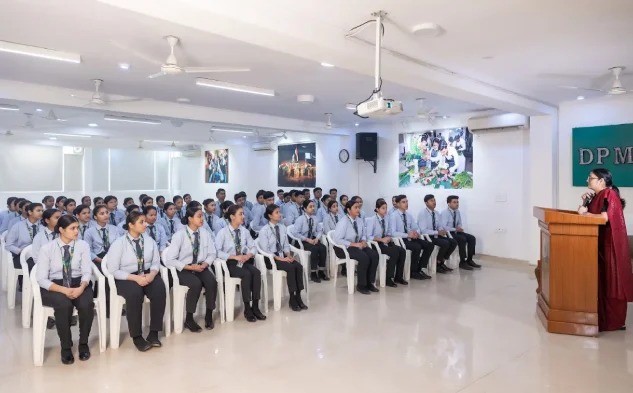
And beyond academics, there's a real emphasis on discipline and grooming — the kind of thing that quietly matters a lot once you're actually working on a hotel floor.
The eligibility side is pretty simple.
You need to have finished 10+2 from a recognised board, and it doesn't matter which stream you came from, though English should be one of your subjects.
Students from any academic background can take admission.
Admission usually means filling out a form and then sitting through a short interview or counselling session, where the institute gets a sense of who you are and how you communicate.
Some courses add a basic aptitude round too. Once you're in, there's a short orientation before regular classes start, just enough to get you familiar with the campus and faculty.
A hotel management degree honestly opens more doors than people expect going in. Most graduates start out in hotel operations — front office, food and beverage, housekeeping, or the kitchen — and move into supervisory roles within a few years if they stick with it.
Some drift toward event management or catering companies instead, and a few end up working on cruise ships, where the pay and the travel can be genuinely good. Airlines hire hospitality graduates too, mostly for cabin crew and ground staff roles, since the guest-handling skills overlap so closely.
There's also a decent chunk of graduates who go the entrepreneurial route eventually, opening a small café, a boutique stay, or a catering business once they've picked up enough real-world experience.
Corporate hospitality is quietly growing as a space as well, with companies hiring trained staff to run guest houses and in-house cafeterias. Put simply, the field keeps expanding, so graduates rarely find themselves stuck for options.
You need to have cleared 10+2 from a recognised board — any stream works, though English should be one of your subjects. After that, most institutes look at how you come across in a personal interview, and some add a basic aptitude test too.
Yes, and you don't need to wait around either. Noida and Greater Noida both have good options for students coming straight out of school, and most programs are built with exactly that in mind — no gap year required.
It depends what you sign up for. Diploma courses usually run for one to two years, while a full bachelor's degree takes about three. There are also shorter certificate courses, sometimes just a few months long, if you want to specialise in something specific like bakery or bartending.
Yes, and this one tends to surprise people. You don't need a science or commerce background — students from arts do just as well. What actually matters more is whether you genuinely enjoy working with people, because that's most of the job.
Start with placement numbers and how experienced the faculty actually are, not just their job titles. Then check whether the practical training facilities — kitchens, mock front offices — look used or just look good in photos. If you can, visit the campus and talk to the current students directly, and compare fees across two or three places before deciding.
Hospitality is a diverse industry with numerous career paths. Our programs provide graduates with the skills to enter a variety of roles, such as: