










Anganwadi: The Heart of the Community

November 07, 2025
The foundation of any nation lies not solely in its economy or infrastructure but in the health, education, and empowerment of its people. In a diverse society like India, where rural and marginalized populations form a sizable group, community-based development programs play a crucial role in ensuring inclusion and progress. These initiatives serve as a vital service link to essential needs like nutrition, health, and education while aligning with government policies and welfare schemes.
Of all such initiatives, the Integrated Child Development Services (ICDS) stands out as one of the most impactful frameworks for public health and education. At its core lie Anganwadi centers, which act as the first line of support for families in need of care, guidance, and medical assistance. These centers also provide hands-on learning platforms for students from paramedical institutes and those pursuing paramedical courses in Delhi and other parts of India.
The Concept of Anganwadi Centers
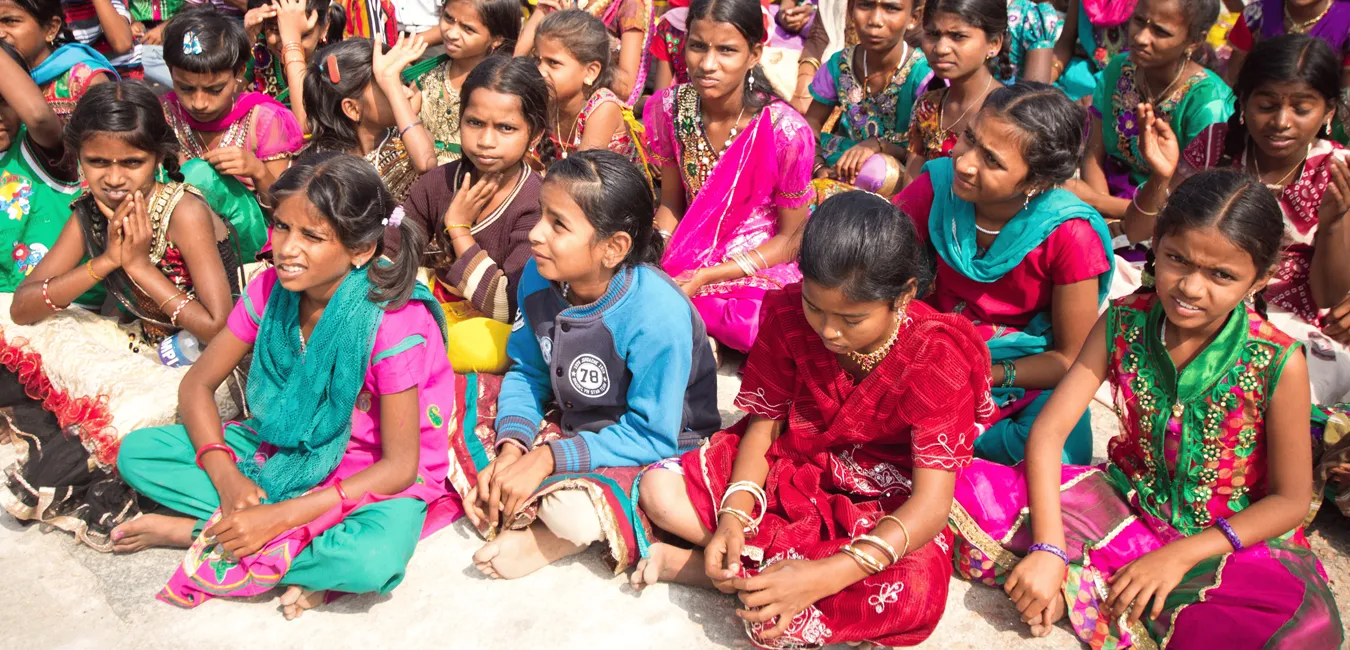
The term ‘Anganwadi’ means ‘courtyard shelter’, representing a safe and nurturing space for health, nutrition, and early education. These centers focus on improving the well-being of mothers, children, and adolescent girls — key pillars of India’s long-term human development goals.
Established in 1975 under the ICDS Scheme, Anganwadi centers (AWCs) were created to promote holistic child and maternal welfare at the grassroots level. Their objectives include:
- Enhancing the nutritional and health status of children and women.
- Establishing a foundation for the psychological, physical, and social development of children.
- Reducing child mortality, morbidity, and malnutrition through early intervention.
- Encouraging family and community participation in healthcare awareness programs.
Benefits of Anganwadi for Paramedical Students
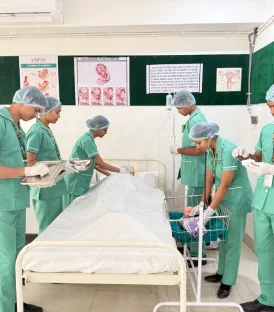
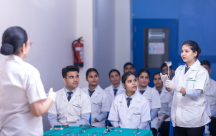
The Anganwadi system has emerged as a valuable ecosystem for paramedical institutes and healthcare trainees. It offers real-world exposure that complements classroom learning and provides insights into rural healthcare delivery. Students pursuing paramedical courses in Delhi often participate in Anganwadi outreach programs to enhance their community health experience.
Key benefits include:
- Practical Training: Students gain hands-on experience in maternal and child health, nutrition, and disease prevention.
- Public Health Exposure: Direct involvement in government-run programs strengthens understanding of healthcare policies.
- Career Opportunities: Graduates can find employment in health missions, NGOs, and rural healthcare initiatives.
- Skill Development: Enhances communication, empathy, and leadership skills essential for healthcare professionals.
This integration of education and fieldwork makes Anganwadi centers an ideal environment for paramedical training institute franchise models looking to offer impactful, community-based learning.
How to Start a Paramedical Institute in India
For entrepreneurs and educators, establishing a paramedical institute offers an opportunity to contribute to India’s growing healthcare sector. To start a paramedical institute in India, one needs to:
- Obtain proper affiliation from recognized health or education boards.
- Develop a curriculum aligned with national standards.
- Partner with hospitals or Anganwadi centers for practical exposure.
- Invest in skilled faculty and modern lab infrastructure.
Expanding through a paramedical training institute franchise model allows faster growth and outreach across cities, ensuring more students get access to quality paramedical education.
Conclusion
The Anganwadi program stands as a bridge between community development and healthcare education. It strengthens the public health system while offering aspiring paramedics invaluable field experience. Whether through direct participation or institutional partnerships, paramedical institutes and professionals can play a vital role in uplifting India’s health standards — proving that true progress begins at the grassroots.
Also Read: नवजात शिशुओं में हीमोलिटिक रोग - DPMI India