











Viral Infections: Causes, Types, Symptoms & Prevention

October 21, 2026
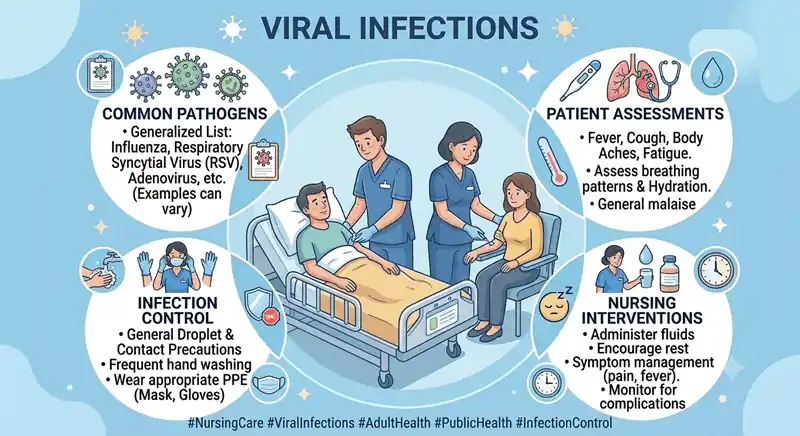
Viral Infections
Viral infections are amongst the top most causes of disease in humans and can infect all people regardless of their age. When a virus infects a human, it enters healthy cells of the body and uses host cells to reproduce. Depending on the type of virus and the organ affected by the illness, it can result in a totally harmless short-term illness or serious complications which can be life-threatening.
Viruses are transmitted through respiratory droplets and aerosols, close contact with the infected person or contaminated surfaces, contaminated food and drinking water, blood and other body liquids, sexual intercourse, insect bites, and mother-to-child transfer. Most commonly known viral infections are influenza, COVID-19, measles, dengue fever, hepatitis, and viral gastroenteritis. It is necessary to know the transmission and symptoms of viral infections for their timely handling and effective prevention.
What Causes Viral Infections?
Viruses are microscopic infectious agents, which consist of genetic material covered in an outer protein shell. Unlike bacteria, viruses are incapable of reproduction by themselves and rely on living cells to help them replicate.
After the virus enters the human body, it sticks to the specific cells and puts its genetic information into them. The virus exploits the cellular machinery of the cytoplasm to reproduce. As a result, the new viruses will be able to infect new cells, leading to the appearance of various symptoms of the disease and the immune reaction of the organism.
There is a range of factors that influence how severe the disease caused by a virus may turn out to be. They include the type of the virus, the location of the infection, the immune reaction of the organism, age, health status of the person and the previous contacts with the virus.
Common Types of Viral Infections
Viral infections, especially in India, are of different types. Viral infections are caused because of the weather, climate, pollution and individual stamina and antigens developed in the body. Multiple infections are mentioned below.
- Respiratory Viral Infections
The category of respiratory viruses includes those that infect the nose, throat, and lungs. They are transmitted through respiratory droplets. Some of the most well-known viruses in this category are influenza, respiratory syncytial virus (RSV), rhinoviruses, and SARS-CoV-2.
Many different symptoms may occur in the case of viral infection of the respiratory tract, including cough, sore throat, runny nose, fever, fatigue, headache, and breathing problems in serious cases. Some respiratory infections with viruses can lead to serious complications. This is especially true for people with weakened immune systems.
- Gastrointestinal Viral Infections
Viruses like norovirus and rotavirus can invade the gastrointestinal system and lead to acute gastroenteritis. These illnesses usually result in diarrhea, vomiting, abdominal pain, nausea, and fever. Dehydration is a significant worry because considerable fluids can be lost due to vomiting and diarrhea. Young children, older people, and people with some health problems may be at risk of complications.
- Viral Hepatitis
Viral hepatitis means that the liver is inflamed, and the inflammation is caused by viruses A, B, C, D, and E. They all differ in the way they are transmitted into the body and cause disease.
Some forms of the virus can lead to acute illness that resolves completely. Meanwhile, other forms can develop into chronic infections leading to liver cirrhosis or even cancer. There is a vaccine for hepatitis A and B, but different preventive treatments for different forms of hepatitis.
- Vector-Borne Viral Infections
Some viruses can pass into humans because of infected mosquitoes, ticks, and other vectors. Dengue fever, chikungunya, and some forms of viral encephalitis are vector-borne diseases. Symptoms can often include fever, headaches, aches in muscles and joints, rashes, and fatigue. Some diseases can become dangerous and need hospitalization.
- Viral Skin Infections
The skin and mucous membranes can be affected by various viruses, leading to infections, such as those caused by viruses like chickenpox, measles, human papillomavirus (HPV) causing warts, and those due to herpes simplex viruses.
Depending on the virus, the person may experience symptoms such as rashes, blisters, lesions, itchiness, fever, and discomfort. Vaccination against some of the viral skin diseases is possible, while in other cases it is necessary to avoid direct contact with the sick person.
Common Symptoms of Viral Infections
Symptoms may be different depending on the virus and the infected organ system. Some diseases may be asymptomatic or cause minimal damage, while other ones can result in severe body disorders. Certain symptoms are mentioned below.
- Fever or chills
- Weakness and fatigue
- Headaches
- Body aches and muscle pain
- Sore throat and cough
- Running or blocked nose
- Vomiting, nausea or diarrhoea
- Skin rashes
- Swollen lymph nodes
- Loss of appetite.
Prevention of Viral Infections
One of the most reliable and effective ways of counteracting a number of serious virus-induced diseases is vaccination. Introduction of vaccines into the body stimulates the immune system to produce specific immunity against viral agents and thus minimize the risk of disease acquisition and its severity. Additionally to becoming immune vaccination also serves the purpose of protecting public health.
- Hand Hygiene
Washing one’s hands with soap and water is another important method for minimizing viral spread. Particularly, it is vital to wash hands after sneezing, after using the WC, before handling food and touching potentially contaminated objects, etc. If soap and water are not available, alcohol-based hand sanitizer should be applied.
- Practicing Respiratory Hygiene
Respiratory hygiene practices are necessary since respiratory viruses can be transmitted through respiratory droplets released while a sick person coughs, sneezes, talks, or breathes. To minimize the spread of the virus, one can practice some measures including covering the mouth and nose while coughing or sneezing, disposing of tissues properly, washing hands properly, and keeping a distance from others if displaying respiratory symptoms. Ensuring adequate ventilation in enclosed spaces may facilitate prevention of infection.
- Safe Food and Water Practices
Safe food and water practices are required as certain viral diseases can be spread with contaminated food and water. In order to prevent viral infections, make sure to always drink safe water, wash food products, cook food thoroughly, sanitize food preparation surfaces, and avoid contact between raw products and cooked food.
- Mosquito and Vector Control
Vector control is essential since certain viruses such as dengue and chikungunya can be transmitted by mosquitoes. Prevention measures include the wide use of insect repellents, wearing special clothing, using screens or nets, and draining water reservoirs where mosquitoes can breed.
Conclusion
Viral infections are classified as a variety of illnesses that can be mild, self-limited, or serious, requiring medical treatment. Different signs and symptoms, means of transmission as well as treatment correspond to the virus that leads to viral infection. However, even though many viral infections can be cured with only rest, drinking fluids, controlling symptoms, and supportive treatment, some viral diseases require either specific antiviral therapy or medical interventions.
Use of vaccination, maintaining hand hygiene, respiratory safety precautions, ensuring safe food and water practices, controlling vectors, and responsibly seeking medical assistance are key in preventing the spread of the viral diseases. Important position is played by nurses who are responsible for patients’ care, education, monitoring, infection control, and provision of public health support. It is important to note that a proper approach to the prevention of viral infection requires cooperation of individual professionals and the implementation of effective public health measures.
Build Your Future in Healthcare with DPMI Vocational Institute
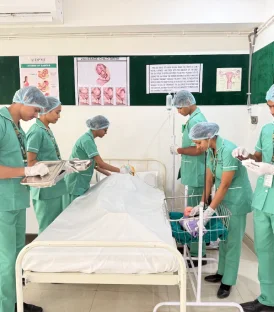
A successful healthcare career for the youth can be established by choosing the perfect institution to pursue the perfect paramedical or nursing course. At the DPMI Vocational Institute, students get hands-on experience and build confidence by working directly in hospital and clinical settings. The lab training helps the students in building practical knowledge, and the faculty helps with gaining theoretical learning. The labs have all the latest equipment, so one gains the opportunity to learn how things actually work in modern surgery. Students choosing to enrol at DPMI Vocational Institute for learning the intricacies of medical course will enjoy the benefits of internships, workshops, and practical sessions conducted in collaboration with reputed healthcare institutions and public sector institutions. Enroll Today for a great career in healthcare!