












Surgical Site Infections

June 21, 2024
Surgical site infections (SSI) are the most significant and alarming matter of concern in the Medical field, impacting patient outcomes and healthcare costs. Surgical site infections occur when pathogens invade the surgical wound, leading to infection. They can manifest within 30 days post-surgery or up to a year if an implant is involved and are categorized into superficial incisional, deep incisional and may even transmit to vital organs.
**Etiology and Risk Factors:**
Surgical site infections are predominantly caused by bacteria, with Staphylococcus aureus, including methicillin-resistant Staphylococcus aureus (MRSA), being the most common culprit. Other pathogens include Escherichia coli, Pseudomonas aeruginosa and Enterococcus species. The risk factors for Surgical site infections are multifaceted, involving patient-related factors such as age, diabetes, obesity, and immunosuppression. Procedural factors like the type and duration of surgery, surgical technique, and the environment of the operating room also play crucial roles.
**Prevention Strategies:**
Preventing Surgical site infections requires a comprehensive approach before during and after surgery. Preoperative measures include patient education, optimizing comorbid conditions and the use of prophylactic antibiotics. Preoperative skin antisepsis with agents like chlorhexidine-alcohol has proven more effective.
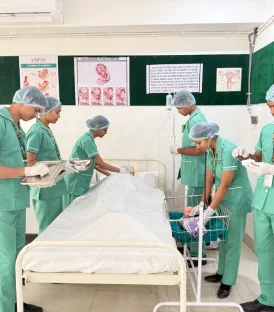
Intraoperatively, maintaining a sterile environment is paramount. This involves proper hand hygiene, sterilization of instruments and the use of personal protective equipments. Controlling the operating room environment including temperature and airflow can further reduce infection risks. Additionally, minimizing the duration of surgery and using meticulous surgical techniques to reduce tissue trauma and blood loss are essential.
Postoperative care focuses on proper wound care, monitoring for signs of infection and early intervention if an infection is suspected. Educating patients on wound care and signs of infection can enhance early detection and treatment.
**Impact and Outcomes:**
SSIs significantly impact patient morbidity and mortality extending hospital stays and increasing healthcare costs. They can lead to complications like sepsis, prolonged illness, delayed recovery and repeated need for surgerical intervention. Addressing SSIs through stringent prevention and management strategies is vital for improving patient outcomes and Operation Theatre Technicians must be given stringent training to prevent Surgical site infections.
Blog Submitted by :
Dr. Roopal Mehandroo