











Radio Diagnosis Technologists play a crucial role in healthcare systems worldwide

June 26, 2024
Radio Diagnosis Technologists play a crucial role in healthcare systems worldwide, employing advanced imaging techniques to aid in the diagnosis and treatment of various medical conditions.
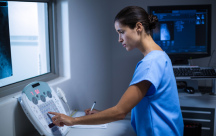
- They are essential for accurate diagnosis. Radio Diagnosis Technologists specialize in capturing high-quality images of the internal structures of the human body using techniques such as X-rays, CT scan, MRI and ultrasound. These images are invaluable to physicians in identifying diseases, injuries and abnormalities. Without skilled technologists, medical practitioners would struggle to interpret images accurately, potentially leading to misdiagnosis or delayed treatment.
- Radiology Technician ensure patient safety during imaging procedures. They are knowledgeable about radiation safety protocols and take measures to minimize radiation exposure while producing clear images. Their expertise in positioning patients correctly and calibrating equipment properly is critical for obtaining accurate results without compromising patient safety.
- Radio Diagnosis Technologists contribute to the advancement of medical knowledge and technology. They often collaborate with radiologists, physicians and researchers in conducting studies and clinical trials to improve imaging techniques and develop new diagnostic tools. Their insights and hands-on experience are instrumental in refining imaging protocols and enhancing the effectiveness of diagnostic imaging modalities.
- Radio Imaging Technologists play a vital role in patient care and support. They interact closely with patients, explaining procedures, addressing concerns and ensuring their comfort throughout the imaging process. Their compassionate approach helps to alleviate anxiety and fosters trust between patients and healthcare providers in a more positive overall experience.
- Radio Diagnosis Technologists are in high demand globally due to the increasing prevalence of medical conditions requiring diagnostic imaging. As healthcare systems expand and technology advances the need for skilled technologists continues to grow. They are employed in hospitals, clinics, imaging centers and research institutions, fulfilling critical roles in healthcare delivery and contributing to improved patient outcomes.
- Radiology Technologists must be able to adapt to new technologies and techniques quickly, staying abreast of advancements in the field. Continuous education and professional development are essential for radio diagnosis technologists to maintain competence and provide quality patient care.