










Gestational Diabetes: Monitoring, Management, and Patient Education Essentials

June 11, 2026

Gestational Diabetes: Monitoring and Patient Education
Gestational diabetes mellitus (GDM) is a metabolic disorder that occurs during pregnancy and is characterized by glucose intolerance. If not properly treated, it can lead to serious health problems for both the mother and her unborn child. With the increase in the number of people with diabetes, the number of GDM cases has grown significantly, making early diagnosis, continuous monitoring, and patient education essential components of quality maternal healthcare.
Proper management of gestational diabetes helps reduce pregnancy-related complications and supports the healthy development of the baby. Through regular monitoring and lifestyle modifications, healthcare professionals can ensure better outcomes for both mother and child.
What is Gestational Diabetes?
Gestational diabetes mellitus (GDM) usually develops due to hormonal changes during pregnancy that increase insulin resistance and reduce the body's ability to produce sufficient insulin. This results in elevated blood glucose levels, known as hyperglycaemia. Although GDM often resolves after childbirth, poor glucose control during pregnancy can cause serious complications for both the mother and the baby.
Maternal complications include preeclampsia, an increased risk of preterm birth, and a higher likelihood of developing Type 2 diabetes later in life. For the baby, uncontrolled GDM can lead to foetal macrosomia, birth injuries, neonatal hypoglycaemia, respiratory distress syndrome, and metabolic instability. Therefore, timely diagnosis and appropriate treatment are crucial to ensure a safe pregnancy.
Importance of Regular Monitoring
- Blood Glucose Monitoring: Regular monitoring of fasting and post-meal blood glucose levels helps maintain glycaemic control and reduces the risk of pregnancy-related complications. Consistent monitoring enables healthcare providers to make timely treatment adjustments.
- Additional Clinical Assessments: Healthcare professionals may recommend HbA1c testing, urine ketone analysis, and ultrasound examinations to monitor foetal growth and evaluate the effectiveness of diabetes management throughout pregnancy.
- Lifestyle Adjustments: Continuous monitoring allows patients to modify their diet, physical activity, and medication as required. These adjustments help maintain stable blood sugar levels while ensuring the health and safety of both mother and baby.
- Prevention of Complications: Early identification of abnormal glucose levels through routine monitoring significantly reduces the risk of maternal and neonatal complications, supporting healthier pregnancy outcomes.
Core Elements of Patient Education in GDM Management
- Nutrition Management: Patients should be educated about maintaining balanced meals, controlling portion sizes, and following proper meal timing. A diet rich in whole grains, high-fibre foods, lean proteins, and limited refined sugars helps regulate blood glucose levels during pregnancy.
- Physical Activity: Safe exercises such as walking and prenatal yoga improve insulin sensitivity and help maintain stable blood sugar levels. Patients should receive proper guidance regarding suitable physical activities during pregnancy.
- Self-Monitoring of Blood Glucose: Learning to use a glucometer and accurately interpret blood glucose readings enables patients to actively participate in managing their condition and respond promptly to abnormal readings.
- Medication Adherence and Symptom Recognition: When lifestyle modifications alone are insufficient, patients may require insulin or other medications. Proper education regarding medication use, along with recognition of warning signs such as excessive thirst, frequent urination, fatigue, and hypoglycaemia, ensures timely medical intervention when necessary.
Conclusion
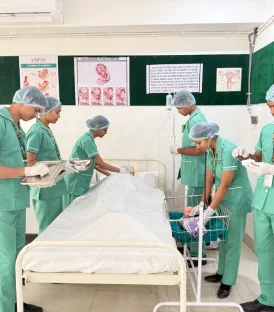
As the demand for qualified maternal healthcare professionals continues to grow, Delhi Paramedical and Management Institute (DPMI) School of Nursing plays a vital role in preparing students with the clinical knowledge and practical skills required to manage gestational diabetes and other pregnancy-related complications.
Through comprehensive nursing education and hands-on clinical training, DPMI equips future healthcare professionals to provide quality maternal care and improve health outcomes for both mothers and newborns.