












Cerebral Stroke: Types, Symptoms, Management & Treatment

June 23, 2026
Cerebral Stroke and Its Management
Cerebral stroke is one of the most serious medical emergencies, affecting millions of people worldwide. It occurs when the blood supply to a part of the brain is interrupted, depriving brain cells of oxygen and nutrients. Without immediate medical attention, brain cells begin to die within minutes, making stroke a life-threatening condition that requires urgent treatment.
Stroke is among the leading causes of death and long-term disability across the world. Early recognition of symptoms, prompt diagnosis, and timely medical intervention can significantly improve survival rates and reduce the risk of permanent neurological damage.
What is a Cerebral Stroke?
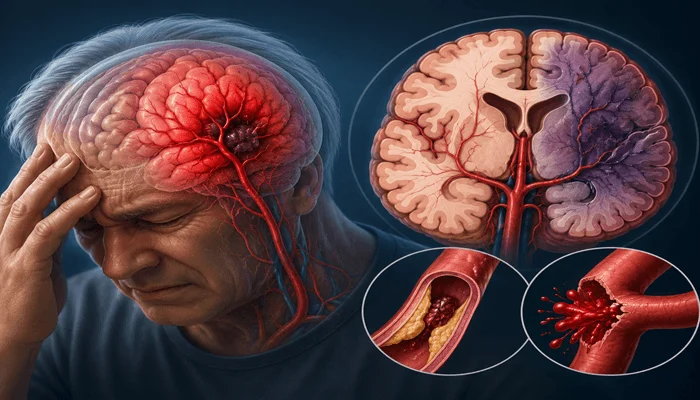
A cerebral stroke, also known as a cerebrovascular accident (CVA), occurs when blood flow to a part of the brain is blocked or when a blood vessel within the brain ruptures. In both situations, the affected brain tissue is deprived of oxygen and nutrients, resulting in damage or death of brain cells.
Since the brain controls essential functions such as movement, speech, memory, vision, balance, and coordination, the severity of a stroke depends on the area of the brain involved. Rapid diagnosis and immediate treatment are crucial for limiting brain damage and improving recovery outcomes.
Types of Cerebral Stroke
- Ischemic Stroke: The most common type of stroke, ischemic stroke occurs when a blood clot blocks an artery supplying blood to the brain. The interruption of blood flow deprives brain cells of oxygen, causing tissue damage if not treated promptly.
- Hemorrhagic Stroke: Hemorrhagic stroke occurs when a blood vessel in the brain ruptures, leading to bleeding within or around the brain. High blood pressure is one of the leading causes of this type of stroke, which requires immediate emergency care.
- Transient Ischemic Attack (TIA): Commonly referred to as a mini-stroke, a TIA results from a temporary blockage of blood flow to the brain. Although symptoms usually resolve without permanent damage, a TIA serves as an important warning sign of a future major stroke.
- Stroke Risk Awareness: Recognising the different types of stroke enables early intervention and appropriate treatment, significantly improving patient outcomes and reducing long-term complications.
Symptoms and Diagnosis of Cerebral Stroke
- Recognising Stroke Symptoms: Common warning signs include sudden difficulty speaking, confusion, numbness or weakness on one side of the body, difficulty walking, dizziness, severe headache, and sudden vision problems. Early recognition is essential for seeking immediate medical attention.
- Clinical Evaluation: Healthcare professionals perform neurological examinations and assess the patient's medical history to determine the severity of the stroke and identify the most appropriate treatment approach.
- Diagnostic Imaging: Imaging techniques such as CT scans, MRI scans, carotid ultrasound, cerebral angiography, and electrocardiograms (ECG) help determine whether the stroke is caused by a blockage or bleeding within the brain.
- Importance of Early Diagnosis: Prompt diagnosis allows healthcare providers to initiate appropriate treatment quickly, minimising brain damage and improving the chances of successful recovery.
Conclusion
Effective stroke management requires skilled healthcare professionals who can provide rapid emergency care, continuous monitoring, rehabilitation, and long-term patient support. Delhi Paramedical and Management Institute (DPMI) offers career-oriented paramedical and allied healthcare programmes that equip students with the clinical knowledge and practical skills needed to manage stroke patients and other medical emergencies.
Through hands-on training, internships, and industry-focused education, DPMI prepares aspiring healthcare professionals to build successful careers while making meaningful contributions to patient care and emergency medical services.