












TORCH Infections in Pregnancy – Risks, Symptoms & Prevention

May 13, 2026

Silent Infections That Harm Pregnancy – Understanding TORCH
Careful observation is required throughout a woman’s pregnancy for many reasons. One of the most important is that certain maternal infections can silently cross the placenta and have long-lasting adverse effects on the developing baby. These infections are commonly grouped as TORCH infections, which can potentially result in serious complications such as miscarriage, permanent neurological damage, or long-term disabilities in infants born to affected mothers.
Many of these infections produce few or no symptoms in pregnant women, which is why they are considered “silent threats” to both maternal and fetal health.
What is TORCH?
TORCH is an acronym used to describe a group of congenital infections that may be transmitted from an infected mother to her fetus during pregnancy. The acronym stands for:
- T – Toxoplasmosis
- O – Other infections (such as syphilis, varicella-zoster, parvovirus B19, and HIV)
- R – Rubella
- C – Cytomegalovirus (CMV)
- H – Herpes Simplex Virus (HSV)
These infections are grouped together because they share several important characteristics. They can cross the placenta and may cause similar complications in the fetus, including:
- Growth restriction
- Congenital abnormalities
- Neurological damage
- Developmental delays
Early detection through antenatal screening, serological tests, and imaging studies is crucial. Identifying these infections early helps reduce the risk of adverse pregnancy outcomes and complications in newborns.
Understanding Each TORCH Infection
Each TORCH infection has its own mode of transmission, clinical features, and effects on fetal development. The severity of complications depends on several factors, including:
- Timing of the maternal infection during pregnancy
- The mother’s immune status
- Early diagnosis and treatment
Understanding these infections helps healthcare professionals identify risk factors, interpret diagnostic tests accurately and provide timely medical care.
1.Toxoplasmosis
Toxoplasmosis is caused by the parasite Toxoplasma gondii. Infection usually occurs through:
- Eating raw or undercooked meat
- Consuming unwashed fruits or vegetables
- Contact with soil contaminated with cat feces
- Cleaning a cat’s litter box
If a pregnant woman becomes infected, the parasite may affect the fetus and cause serious complications such as:
- Hydrocephalus
- Intracranial calcifications
- Vision problems or blindness
2.Other Infections
The “Other” category includes infections such as:
- Syphilis
- Varicella-zoster virus (chickenpox)
- Parvovirus B19
- Human Immunodeficiency Virus (HIV)
These infections can cross the placenta and may lead to:
- Miscarriage
- Fetal anemia
- Skin scarring
- Congenital malformations
- Intrauterine growth restriction
The severity often depends on the stage of pregnancy and the intensity of maternal infection.
3.Rubella
Rubella infection during the first trimester poses the greatest risk to the developing fetus. It can lead to Congenital Rubella Syndrome (CRS), which is characterized by the classic triad of:
- Congenital heart disease
- Cataract
- Sensorineural deafness
Children affected may also experience growth delays and developmental disabilities.
4.Cytomegalovirus (CMV)
Cytomegalovirus (CMV) is the most common viral infection affecting newborns worldwide. Approximately 80% of infected women show no symptoms, making it particularly difficult to detect without screening. However, the fetus may develop complications such as:
- Microcephaly
- Brain calcifications
- Hearing loss
- Long-term neurodevelopmental problems
5.Herpes Simplex Virus (HSV)
Herpes Simplex Virus is usually transmitted during delivery if the mother has an active genital infection. If not treated promptly after birth, the infection can cause neonatal herpes, which may affect the:
- Skin
- Eyes
- Mouth
- Nervous system
In severe cases, it can lead to life-threatening systemic infections.
Preventive Measures for Safeguarding Maternal and Fetal Health
Preventing TORCH infections requires awareness, hygiene, and proper prenatal care. Important preventive steps include:
- Washing hands frequently
- Eating well-cooked food
- Washing fruits and vegetables thoroughly
- Avoiding contact with cat litter or contaminated soil
- Staying away from individuals with contagious infections
Vaccination against rubella before pregnancy is highly recommended to prevent congenital rubella syndrome.
Regular prenatal check-ups and blood tests allow healthcare providers to detect infections early and monitor high-risk pregnancies more closely. Early diagnosis and proper medical care significantly reduce risk for both the mother and baby.
Conclusion
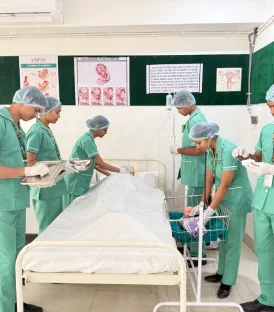
At DPMI School of Nursing, we emphasize on the right education and training which prepares students to assist in diagnosing conditions such as TORCH infections through advanced diagnostic and imaging services.
DPMI combines strong theoretical knowledge with practical clinical training, enabling students to become skilled healthcare professionals. Our goal is to contribute to improved maternal and fetal healthcare, supporting safe pregnancies and healthier future generations.