












Importance of Vital Sign Monitoring in Healthcare

May 07, 2026
Importance of Vital Sign Monitoring
There is an inherent connection between how health care is delivered via accurate, timely and continuous patient assessments, and the quality of health care. The quality of health care is determined by a variety of clinical processes that enables diagnostic reasoning and treatment decisions made by health professionals. One of the most critical of these clinical processes is systematic vital sign monitoring, which is an important safety measure to ensure patients are safe and receive optimal clinical outcomes.
As the world becomes more complex through advances in technology, an increase in patient complexity, and increased expectations regarding the quality of care provided, health care systems must have the ability to recognize very small changes that may indicate a deterioration of a patient’s condition. Structured monitoring processes will provide the basis for developing early interventions, risk stratification, and continuity of care across the full continuum of health care, including acute care, chronic disease management, and preventive health services. The adoption of Evidence-Based Medicine and a greater emphasis on Patient-Centred Care have heightened the need for reliable monitoring processes to translate physiological data into clinical insights that are actionable. In this context, monitoring vital signs serves as an important measure of protecting clinical standards, reducing avoidable harm, and improving the overall quality of health care systems.
What is Vital Sign Monitoring
Monitoring vital signs involves the systematic collection, documentation, and interpretation of key physiological markers that help to evaluate the functioning of the body’s vital organ systems. Monitoring vital signs provides a basis for most healthcare providers to collect objective information to establish a patient’s baseline and evaluate their responses to treatment, as well as identify abnormalities in the body’s physiology.
In historical practice, vital sign monitoring included the intermittent assessment of body temperature, heart rate, respiratory rate, blood pressure and blood oxygen levels. These parameters together provide a dynamic representation of the cardiovascular, respiratory and metabolic systems of the body. Therefore, vital signs are considered interrelated when determining trends and patterns that can give important information on changing pathophysiology.
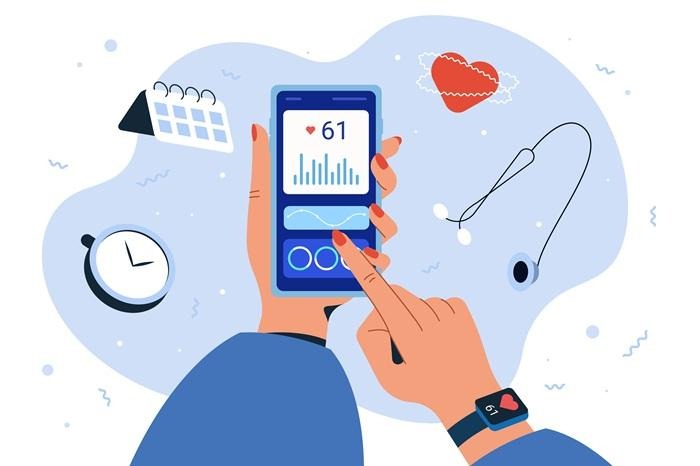
In the present day, vital sign monitoring has changed from being assessed intermittently at the patient's bedside to being continuously monitored by electronic monitoring systems, wearable monitoring devices, and telemedicine systems. This allows for real-time data collection, trend analysis, and alerts for warnings about changing patient conditions, which increases clinical awareness and enables prompt action when necessary.
Why Vital Sign Monitoring is Essential in Healthcare
Monitoring vital signs plays a vital role in the delivery of quality health care. By providing doctors with timely and objective information, they are better able to evaluate a patient’s physiological status and make appropriate well informed decisions about care. By routinely checking vital sign parameters, clinicians can often detect abnormalities at an earlier point, make clinical decisions based on these findings, and maximise patient safety. Herein mentioned are the key reasons why vital sign monitoring is essential.
- Clinicians Track Vital Signs to Identify Clinical Deterioration Early: Monitoring vital signs provides clinicians with an opportunity to detect changes occurring before the appearance of clinical symptoms. The identification of changes in vital signs enables clinicians to detect patients at risk of developing life-threatening illnesses, such as sepsis, respiratory failure, or cardiac events, in an earlier stage and, therefore, provide timely treatment of these conditions.
- Providing Data for Guidance on Treatment & Interventions: Clinicians will benefit from trend analysis of a patient’s vital signs to facilitate selection, modification, and assessment of treatment options to ensure timely, focused and effective interventions. Additionally, clinicians have access to identify patient responses that may indicate a need for modification of treatment options.
- Providing Alerts for Abnormal Physiological Changes: Continuous monitoring of vital signs minimises the risk of adverse events associated with patients developing an abnormality by providing early warning of any physiological abnormality and allowing for timely intervention by clinicians, thereby minimising preventable complications.
- Long-term Monitoring for Patients with Chronic Diseases: By following patients diagnosed with chronic diseases such as hypertension, heart failure, and chronic obstructive pulmonary disease through regular vital sign monitoring, clinicians can assist patients in their long-term disease management, administering medications appropriately, and preventing exacerbations of chronic disease states.
- Evidence-Based Assessment of Risks: Routine monitoring of vital signs contributes to both timely detection of acute illnesses and enhances preventive health care, risk stratification, informed clinical decisions, and overall effectiveness and productivity of health care delivery.
Conclusion
The importance of monitoring vital signs for all aspects of health care today is a critical component of health care delivery for every type of patient. As such, it is the foundation for patient assessment and treatment planning. Monitoring vital signs provides objective, real-time evidence of a patient’s condition and enables the early identification of a decline in health, the implementation of treatment plans to enhance patient safety and the management of both acute and chronic illnesses. Furthermore, the continued development of technological advances in continuous monitoring systems and the growing number of consumer-based wearable devices have expanded the areas and extent of vital signs monitoring beyond the acute care environment into the realms of home-based and remote care.
For students aspiring to enter the healthcare field, gaining structured training in clinical assessment and patient monitoring can provide a strong foundation for a successful career. DPMI offers practical, industry-aligned programs that equip learners with essential skills in patient care, healthcare operations, and monitoring techniques. By enrolling at the institute for Paramedical & Allied health sciences, you can develop hands-on expertise and open doors to a rewarding career in healthcare and hospital management.