












Cell Culture | Methods, Applications & Advantages | DPMI

May 04, 2026
Cell Culture
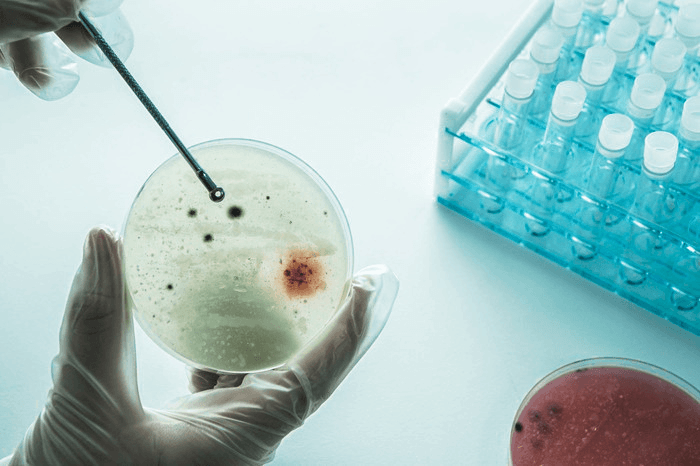
Cell culture is a basic but essential in vitro method for studying biological systems in the life sciences by isolating, maintaining, and propagating cells in a controlled manner in the laboratory. The controlled environment of cell culture allows scientists to study cellular morphology, functional properties, and behaviour outside the complex interactions associated with the intact organism by closely replicating the physiological environment of cells in the laboratory.
Cell culture has changed throughout the last century, becoming one of the most widely used methodologies in biomedical research, biotechnology, and pharmaceutical development. Cell culture has provided a model for studying molecular pathways, disease mechanisms, host-parasite interactions, and cellular responses to drugs. In addition, the development of continuous cell lines, stem cell technology and three-dimensional culture systems has made cell culture a formidable tool for applications such as regenerative medicine, vaccine production, toxicology testing, and personalised medicine. Therefore, cell culture plays a critical role in the reproducibility and accuracy of scientific experiments, as well as serving as a point of connection between basic biological research and clinical practice.
What is Cell Culture?
The expression “cell culture” describes the method of obtaining isolated cells and placing those cells in a well-regulated artificial situation, which enables the cells to grow, multiply and survive outside the body. Once the isolated cells have been obtained, they are placed into a cell culture vessel containing a specially designed growth medium that provides the nutrients (i.e., amino acids, carbohydrates, vitamins, minerals, and salts) that are necessary for the cells to grow and survive. The growth medium may also contain serum as well as defined growth factors that provides hormones, factors necessary for the attachment of cells, as well as signalling molecules that are important for the metabolism and division of cells.
The cells are maintained in a controlled environment with an appropriate temperature (typically, for mammalian cells, 37°C), a balanced pH, and an atmosphere containing both oxygen and carbon dioxide, so that the cells are kept in physiological conditions.
Applications of Cell Culture
Modern biological research, clinical diagnosis, and the pharmaceutical industry have shifted dramatically as a result of advances in cell culture technology. Cell culture technology offers an effective method of growing and manipulating cells in a controlled in vitro environment, providing a valuable tool to better understand complex biological processes and develop new therapies. Some of the most important applications of cell culture include:
- Medical Research: As an experimental model to help study the molecular and cellular mechanisms of disease, providing the opportunity to recreate disease in vitro to examine molecular and cellular mechanisms of disease, such as cancer, neurodegenerative diseases, viral infections, and genetically inherited diseases. Examples include HeLa cells, which are used to study cell division and tumor biology; SH-SY5Y cells, commonly used in research on neurodegenerative diseases such as Alzheimer’s and Parkinson’s; Vero cells, employed for studying viral replication (e.g., coronavirus); and HEK293 cells, which are used in gene expression and mutation studies related to genetic disorders.
- Drug Development: One of the most critical functions of cell cultures is for preclinical testing of drugs. Cell cultures can be used as an in vitro model to identify potential drugs that have therapeutic efficacy and biological activity. Examples include HepG2 cells, which are used for drug metabolism and hepatotoxicity studies; Caco-2 cells, employed to study drug absorption in the intestine; CHO cells, widely utilized for recombinant protein production and drug testing; and MDCK cells, used to investigate drug permeability and transport mechanisms.
- Vaccine Production: Cell culture is essential for producing vaccines. Specifically, for producing viral vaccines, viruses can be cultured in animal or human cell lines under controlled conditions. Examples include Vero cells, which are used in the production of polio, rabies, and COVID-19 vaccines; WI-38 cells, employed in the development of measles, mumps, and rubella vaccines; MRC-5 cells, used for hepatitis A and rabies vaccines; and BHK-21 cells, commonly used in veterinary vaccine production.
- Cancer Research: Cultured cancer cell lines are a key component of cancer research and enable scientists to study the biology of tumour cells, including uncontrolled growth, invasion, and metastasis. Examples include MCF-7 cells, which are used to study hormone-responsive breast cancer; A549 cells, employed in lung cancer research and drug testing; PC-3 cells, used in prostate cancer studies; and U87 cells, utilized for brain tumor research.
Advantages of Cell Culture
Cell culture is a necessary technique in biological sciences and has many scientific and practical advantages, as evidenced by its use in biological research, biotechnology, and drug development. This technique creates a controlled in vitro environment for studying cells, allowing researchers to conduct precise, reproducible, and flexible studies that are generally hard to replicate with whole-organism studies.
- Controlled Experimental Conditions: Controlled cell culture environments allow a researcher to control the physical and chemical variables affecting cells, such as temperature, pH, oxygen content, and nutrient support. Researchers can isolate specific variables and observe the effects of those variables on cellular behaviour without being influenced by factors found in the normal physiology of a living organism.
- Standardisation of Cell Culture: Cell culture techniques allow for the repeat of identical experiments, yielding similar results with high reproducibility. Uniform biological materials are created using standardised cell lines, which can provide reliable and comparable scientific data from laboratories all over the world.
- Reduced Use of Animals: The use of cell culture techniques in many areas of scientific inquiry is a human alternative to conducting experiments on animals. For instance, toxicity testing, drug testing, and disease modelling can often be achieved in cell cultures, thereby decreasing the dependency on animal models and providing support for the human conduct of scientific research.
Conclusion
As innovation continues to shape the current landscape of the field and create new opportunities, there is an increasing need for qualified individuals with technical knowledge about advanced laboratory techniques and safe use of biological materials, i.e., biosafety. DPMI Vocational Institute offers courses that are essential in developing this competency through their provision of career-oriented educational programs, laboratory experience via hands-on training and exposure to current-state-of-the-art biomedical techniques.
Be a part of DPMI’s vision by gaining quality education in laboratory sciences that provides a solid foundation for becoming a member of the next generation of healthcare and research professionals who will drive scientific technologies to provide global healthcare improvement.