











The Role of Archaea in Gut Health: Functions, Benefits, and Impact on the Microbiome

June 08, 2026
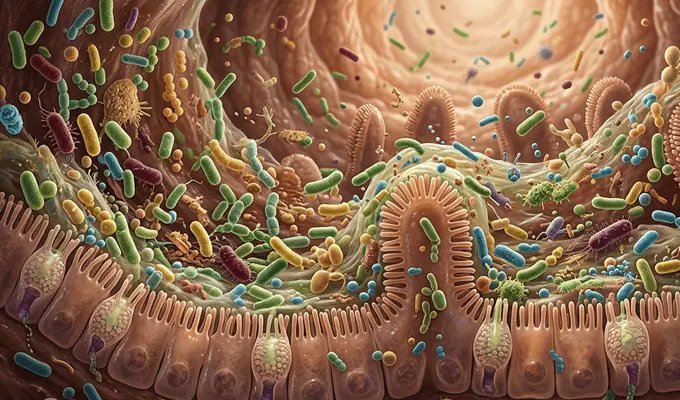
Archaea and Their Impact on Gut Health
The gut microbiome is an ecosystem made up of trillions of micro-organisms that live inside the human gastrointestinal tract. Research conducted on the gut microbiome is primarily focused on the bacterial component, whereas an increasing amount of evidence has emerged to support the important role of Archaea in the overall homeostasis of the gut.
A significant part of the research conducted on the gut microbiome is focused on the bacterial population as there is a greater number of bacteria in the gut than any other microorganisms and the early methods available for inspecting the microbiome were more applicable to bacteria than to other microorganisms. For decades, bacteria have been implicated in relation to metabolic processes, immune system reactions, and the development of different diseases.
The development of new methods in molecular biology, along with advances in molecular sequencing technology, is facilitating and driving an increase in the investigation of the different microbial groups present in the microbiome, especially the contributions that Archaea make to the functions of the gut microbiome. They are responsible for carrying out metabolic processes that maintain balance and stability of the gut microbiome.
What is Archaea?
As single-celled prokaryotes, Archaea constitute a third domain of life along with eukaryotes and bacteria, but they differ significantly from both genetically, biochemically, and structurally. While Archaea are prokaryotic and do not contain a nucleus, their composition contains unique membranous lipids compared to bacterial lipids, as well as various types of enzymes and methods of gene expression that are more like those found in eukaryotic organisms. Their unique evolution continues to be of considerable scientific interest.
Originally identified in extreme environments, archaeal organisms were known for their ability to thrive under extreme conditions of temperature, salinity, and pressure. However, more recent research has shown that Archaea also inhabit moderate environments such as oceans, soil, and, more importantly, the human gastrointestinal tract.
Presence and Role of Archaea in the Human Gut
- Fermentation Regulation by Archaea: Archaea regulate microbial fermentation by consuming excess hydrogen produced during bacterial fermentation. This improves bacterial metabolism and supports the efficient breakdown of complex carbohydrates.
- Methane Production by Archaea: Methanogenic Archaea produce methane (CH4), which has been associated with changes in intestinal motility. Increased methane production may slow gastrointestinal transit, contributing to constipation. The most common gut archaeon, Methanobrevibacter smithii, produces methane using hydrogen and carbon dioxide generated by other microorganisms.
- Maintenance of Microbial Balance: Archaea exist in a stable symbiotic relationship with beneficial gut bacteria, helping maintain the balance of the gut microbiome. Their presence supports a healthy microbial environment that is essential for digestion and nutrient absorption.
- Support for Digestive Functions: Although they make up only a small proportion of the gut microbiome, Archaea play an important role in maintaining digestive efficiency by regulating metabolic by-products and contributing to the overall stability of the microbial ecosystem.
Archaea's Impact on Gut Health
Archaea play a vital role in maintaining the functional equilibrium of the gut microbiome and contribute significantly to overall gut health. Through their unique metabolic activities, they support digestion, improve nutrient utilization, and facilitate interactions among different microbial communities.
Although Archaea represent only a small percentage of the gut microbiome, their ability to regulate hydrogen levels and support bacterial activity helps create a balanced intestinal environment. Ongoing research continues to reveal their importance in maintaining digestive health and overall well-being.
Conclusion
As microbiome research continues to advance, the demand for skilled professionals with expertise in microbiology, healthcare, and laboratory sciences is steadily increasing. Delhi Paramedical and Management Institute (DPMI) provides quality education and practical training to prepare students for careers in these rapidly evolving fields.
If you aspire to build a successful career in healthcare and develop a strong scientific foundation, enrolling in the Medical Lab Technology courses offered by DPMI can provide the knowledge and practical skills required to excel in the field.