









Methods of Preventing Communicable Diseases: A Complete Guide

July 10, 2026
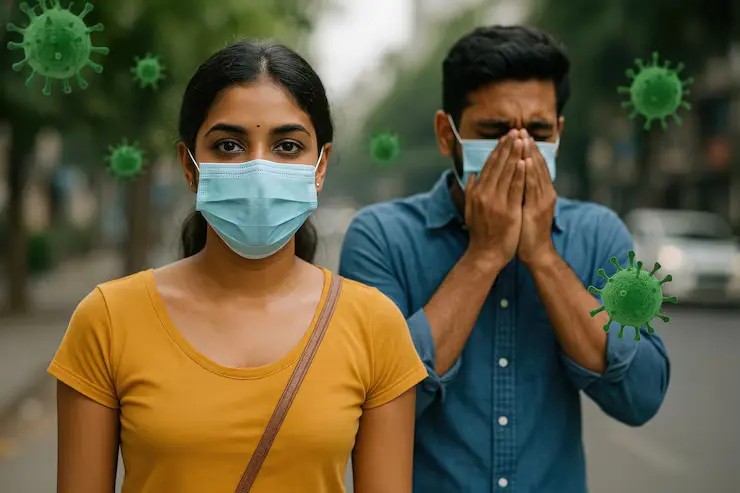
In all parts of the world, especially in densely populated and economically challenged areas, communicable diseases continue to pose a major threat to public health. These diseases are caused by microorganisms such as viruses, bacteria, fungi, and parasites, and they spread through contaminated food and water, direct contact, airborne droplets, and vectors like mosquitoes and flies. Beyond affecting individual health, communicable diseases also place a significant burden on healthcare systems and negatively impact the economy and overall well-being of society.
Therefore, preventing communicable diseases remains one of the top priorities of public health. Effective prevention requires both individual responsibility and collective community efforts. By maintaining hygiene, ensuring vaccination, improving sanitation, and spreading public awareness, societies can greatly reduce the transmission of infectious diseases. This article discusses the major methods used to prevent communicable diseases and promote a safer and healthier community.
What are Communicable Diseases?
Communicable diseases, also known as infectious diseases, are illnesses caused by microorganisms such as bacteria, viruses, fungi, and parasites. These diseases can spread from one person to another either directly or indirectly, making them a serious public health concern.
Transmission may occur through:
- Direct physical contact
- Coughing and sneezing
- Contaminated food and water
- Infected surfaces and objects
- Insect vectors such as mosquitoes and flies
Understanding the modes of transmission is essential for effective prevention and control.
Modes of Transmission of Communicable Diseases
- Direct Transmission: Direct transmission occurs when disease-causing organisms pass directly from one person to another without any intermediary object. This may happen through:
- Physical contact
- Touching
- Kissing
- Coughing and sneezing at close range
- Indirect Transmission: Indirect transmission occurs when pathogens are transferred through contaminated objects, food, water, or surfaces. A person may become infected after touching contaminated items and then touching their mouth, nose, or eyes.
- Airborne Transmission: Some pathogens can remain suspended in the air for long periods and infect people through inhalation, even without direct contact. Diseases such as tuberculosis and certain viral infections spread through airborne transmission.
- Vector-Borne Transmission: Vector-borne transmission occurs when insects or other living organisms carry pathogens from one host to another. Common vectors include:
- Mosquitoes
- Flies
- Ticks
How to Prevent Communicable Diseases
Preventing communicable diseases requires maintaining hygiene, ensuring sanitation, consuming safe food and water, and promoting awareness within communities.
- Maintain Proper Hygiene: Good personal hygiene is the first line of defense against infectious diseases. Important hygiene practices include:
- Washing hands regularly with soap and water
- Covering the mouth and nose while coughing or sneezing
- Keeping the body and surroundings clean
- Avoiding close contact with infected individuals
- Vaccination: Vaccination is one of the most effective methods of preventing communicable diseases. Vaccines help the body develop immunity against harmful pathogens, thereby reducing the spread of diseases within communities. Routine immunization programs are essential for preventing outbreaks of diseases such as:
- Polio
- Measles
- Hepatitis
- Tetanus
- Safe Water and Food: Consuming clean and hygienic food and water is crucial for preventing food-borne and water-borne diseases. Preventive measures include:
- Drinking purified or boiled water
- Washing fruits and vegetables properly
- Cooking food thoroughly
- Storing food safely
- Proper Sanitation: A clean environment helps reduce the growth and spread of disease-causing organisms. Proper sanitation measures include:
- Safe disposal of waste
- Proper drainage systems
- Keeping surroundings clean
- Preventing stagnant water accumulation
- Early Detection and Treatment: Early diagnosis and timely medical treatment help reduce complications and prevent the further spread of diseases. Infected individuals should seek immediate medical attention and follow prescribed treatments carefully. Isolation and quarantine measures, when necessary, also help prevent transmission to others.
Conclusion
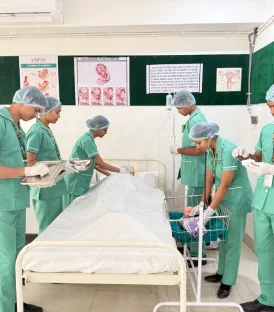
The increasing demand for skilled healthcare professionals in preventive and public health highlights the importance of education and training in these fields. Institutions such as DPMI School of Nursing offer nursing and healthcare-related programs designed to equip students with the knowledge and practical skills needed to contribute effectively to the healthcare sector.
Students aspiring to build a rewarding career in healthcare can explore the opportunities offered by DPMI and actively participate in promoting public health, hygiene, and disease prevention in society.