








High-Risk Pregnancy: Early Identification & Nursing Care

June 29, 2026

High-Risk Pregnancy: Early Identification and Nursing Management
Pregnancy is usually a normal physiological process, but certain maternal or foetal conditions can increase the risk of complications. Such pregnancies are classified as high-risk and require close monitoring, timely diagnosis, and specialised medical care to protect the health of both the mother and the baby.
Early identification of high-risk pregnancies, combined with appropriate nursing management, plays a crucial role in reducing maternal and neonatal complications. Through continuous assessment, patient education, and coordinated healthcare services, better pregnancy outcomes can be achieved.
Understanding High-Risk Pregnancy
A high-risk pregnancy is one in which the mother, foetus, or both have an increased likelihood of developing complications during pregnancy, childbirth, or the postpartum period. These pregnancies require additional medical supervision, frequent monitoring, and multidisciplinary care to minimise risks and ensure the best possible outcome.
Several factors may contribute to a high-risk pregnancy. These include maternal age below 18 years or above 35 years, chronic medical conditions such as hypertension, diabetes, heart disease, kidney disorders, and hormonal imbalances. Pregnancy-related complications can also increase the level of risk and require specialised care.
Early Identification of High-Risk Pregnancy
- Regular Antenatal Check-ups: Routine antenatal visits, screening tests, and diagnostic assessments help identify pregnancy-related complications at an early stage, allowing timely medical intervention and specialist referral when necessary.
- Recognition of Risk Factors: Healthcare professionals monitor conditions such as chronic or gestational hypertension, gestational diabetes, abnormal foetal growth, recurrent miscarriages, preterm labour, and placental abnormalities to detect high-risk pregnancies early.
- Timely Care Planning: Early identification enables appropriate delivery planning, access to specialised healthcare services, and the availability of trained medical professionals to manage potential complications effectively.
- Improved Maternal and Neonatal Outcomes: Continuous surveillance and early intervention significantly reduce maternal and neonatal morbidity and mortality while promoting safer pregnancy and childbirth.
Nursing Management in High-Risk Pregnancy
- Comprehensive Monitoring: Nurses regularly assess maternal vital signs, foetal heart rate, and overall maternal and foetal well-being. Continuous monitoring helps detect early warning signs and ensures timely communication with the healthcare team.
- Patient Education and Counselling: Nurses educate expectant mothers about warning signs, nutritional requirements, medication adherence, lifestyle modifications, and self-care practices. Proper counselling helps reduce anxiety and encourages informed decision-making throughout pregnancy.
- Medication Management and Care Coordination: Nurses ensure prescribed medications are administered safely, monitor for adverse effects, and assist patients in following treatment plans while coordinating care with other healthcare professionals.
- Emotional and Psychological Support: High-risk pregnancies often cause significant emotional stress for mothers and their families. Nurses provide reassurance, compassionate care, and psychological support to improve the overall pregnancy experience.
Conclusion
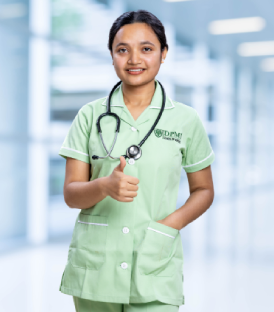
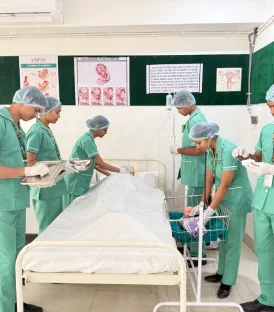
As the demand for specialised maternal healthcare continues to grow, skilled nursing professionals play a vital role in ensuring safe pregnancies and healthy childbirth outcomes. Delhi Paramedical and Management Institute (DPMI) School of Nursing provides comprehensive education, clinical training, and hands-on experience to prepare students for managing high-risk pregnancies and other complex maternal health conditions.
Through a combination of theoretical knowledge and practical clinical exposure, DPMI equips future nursing professionals with the skills and competencies needed to deliver quality maternal and child healthcare while contributing meaningfully to modern healthcare services.