











Congenital Deformities in Late Pregnancies: Causes and Prevention

July 16, 2026
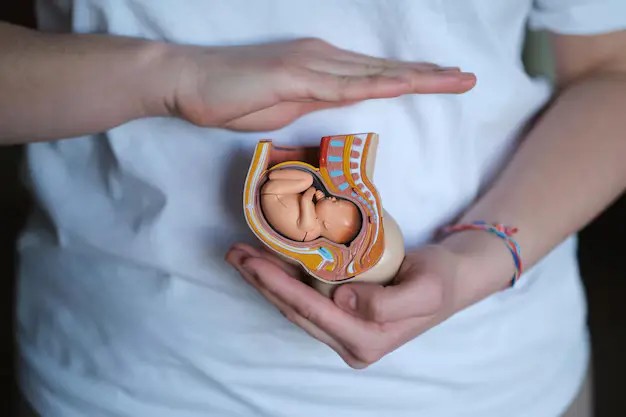
There has been an increased level of concern lately about the incidence of congenital deformities that result from pregnancies being started later in life. More people are now choosing to have children later in life, and therefore, the potential medical problems associated with advanced maternal age are becoming a significant concern. Although advances in medicine have made it possible to have improved prenatal care and facilities for diagnosing problems with a fetus, certain risks have continued to increase based on advanced maternal age.
What are Congenital Deformities?
Congenital deformities, also referred to as congenital anomalies or birth defects, are defined as structural, functional, or metabolic deviations from normal, which are present at birth. Defects can be present in any of the body’s organs, including the heart, brain, limbs, and other systems, and they range in severity from minimal to extreme. In many cases, congenital defects can interfere with a person’s growth and development or his or her ability to survive.
Congenital developmental defects can result from many different causes and are generally classified as genetic, environmental, or multifactorial. Genetic causes are those that are due to inherited mutations or chromosomal abnormalities. Environmental causes may include maternal infections while pregnant, maternal exposure to certain environmental toxins, poor nutrition during pregnancy, and taking certain medications while pregnant. Many congenital deformities result from a combination of genetic predispositions and environmental factors.
Causes of Increasing Congenital Deformities in Late Pregnancies
The increase in cases of congenital deformities of children born to women over the age of 35 happens for several different reasons. Women of advanced maternal age experience physiological changes, many of which may adversely affect their oocytes, embryos’ development, and uterine environment.
- Increased Incidence of Chromosomal Abnormalities: Women are more likely than younger women to experience genetic defects as a result of mistakes made during the division of their oocytes. Errors made during this process can create an embryo with more or fewer than the normal amount of chromosomes, and this is associated with the occurrence of disorders such as Down syndrome.
- Reduction in the Number and Quality of Oocytes: As a woman gets older, her ability to produce and have healthy eggs declines. This decline affects both the quality and quantity of eggs, due to unrepaired DNA damage, mitochondrial dysfunction, and abnormalities in their spindle formation.
- Increased Prevalence of Maternal Health Problems: Babies born to older mothers have a greater chance of being born with a birth defect, due in part to the fact that older mothers are more likely than younger mothers to have a chronic medical condition or develop one during their pregnancy, such as high blood pressure, diabetes mellitus, or an underactive thyroid. These conditions can impact the functioning of the placenta and the ability of the fetus to develop normally, and increase the chance that the baby will have a birth defect.
- Epigenetic Modifications: Being a mother of advanced maternal age can change the way some genes are turned on and can also change the way the genes behave throughout development in the fetus. These genetic and epigenetic changes can change how developmental pathways are established in the developing fetus and result in structural malformations or functional abnormalities in the developing fetus.
- Environmental Changes: Environmental toxins and lifestyle factors can compound the risk in a woman during late pregnancy. Exposure to toxins such as pollution, radiation, or chemicals, combined with other influences like smoking, alcohol, poor nutrition, or prolonged stress, will create a greatly increased risk for pregnancies in older women (i.e., 35 years or older). Such exposures are teratogenic, especially when considering the additional risk associated with the increased vulnerability of women due to their age.
Preventive Measures for Congenital Deformities
Preventing congenitally deformed children is an all-encompassing approach that requires multidisciplinary involvement beginning before conception and extending through the entirety of pregnancy. Although there will be cases of congenital anomalies that cannot be prevented, the effective implementation of evidence-based medical practices and lifestyle changes can have a profound impact on lowering an individual's risk for developing such an anomaly, especially if prenatal care is received late in pregnancy.
- Evaluation of Risk Factors and Preconception Counseling: The importance of preconception care lies in its ability to identify and reduce potential risk factors before conception. Obtaining evaluation of maternal health, screening for genetic disorders, and providing counseling on the optimal age for reproduction and family planning before conception are all essential steps in promoting successful pregnancy outcomes.
- Genetic Screening and Counseling: Genetic counseling and screening are particularly important for women of advanced maternal age. Screening and diagnostic procedures, such as carrier screening, non-invasive prenatal testing (NIPT), and diagnostic testing methods such as amniocentesis or chorionic villus sampling (CVS), are effective methods for identifying genetic and chromosomal abnormalities.
- Appropriate Maternal Nutrition: Proper nutrition is essential for the development of the fetus. Adequate levels of certain micronutrients, particularly folic acid, iron, calcium, and iodine, have been shown to decrease the incidence of abnormal developments such as neural tube malformations. Adequate maternal nutrition has also been shown to promote both maternal wellness and fetal weight gain.
Conclusion
Strengthening the maternal healthcare system on a larger scale, coupled with education about reproductive health, is essential to reducing the number of cases of congenital deformities. Highly skilled healthcare professionals can assist with diagnosing, determining the victims’ risk factors, and counseling patients in order to contribute to improved care for mothers and babies, as well as future generations.
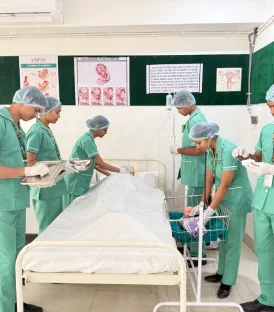
DPMI School of Nursing is committed to bringing out the talent of students as competent healthcare professionals by providing them with high-quality educational programs and training. If you desire a rewarding career in maternal and child healthcare, visit DPMI’s website to learn about the programs available and to become part of a healthcare profession that is contributing to the betterment of future public health outcomes.