












Needle Stick Injury: Immediate Protocols, Post-Exposure Prophylaxis, and Prevention

June 17, 2026
Protocols for Handling Needle Stick Injury
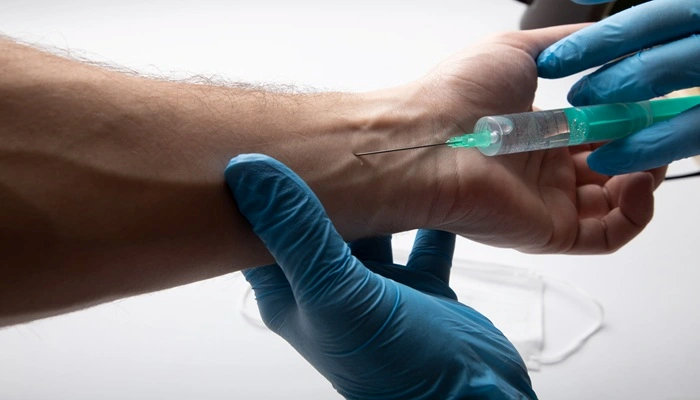
Needle stick injuries (NSIs) are one of the most common occupational hazards faced by healthcare professionals who regularly handle needles and other sharp medical instruments. These injuries usually occur due to improper handling or disposal of sharps or accidental contact with contaminated needles during medical procedures.
Because needle stick injuries can expose healthcare workers to blood-borne infections, following established safety protocols and responding promptly after exposure are essential for reducing the risk of disease transmission and ensuring workplace safety.
What is a Needle Stick Injury?
A needle stick injury is a percutaneous injury caused by a needle or another sharp object contaminated with blood or other potentially infectious body fluids. Such injuries commonly occur during routine clinical procedures and may expose healthcare workers to serious blood-borne infections.
The likelihood of infection following a needle stick injury depends on several factors, including the type of needle involved, the depth of the injury, the viral load of the source patient, and the time taken to begin post-exposure management. Prompt reporting and immediate medical evaluation are therefore essential.
Immediate Measures for Needle Stick Injury
- Allow Gentle Bleeding: The injured area should be allowed to bleed naturally without squeezing or applying excessive pressure. Forceful manipulation of the wound should be avoided, as it may cause further tissue damage and increase the risk of infection.
- Wash the Wound Thoroughly: The affected area should be washed immediately with soap and running water. Mild antiseptics may be used if recommended, but harsh chemicals or vigorous scrubbing should be avoided to prevent skin irritation and tissue damage.
- Protect the Wound Properly: After cleaning the injury, the wound should be covered with a sterile dressing to minimise the risk of further contamination. Maintaining proper wound hygiene is essential during the healing process.
- Clean Exposed Mucosal Surfaces: If the eyes, mouth, or other mucous membranes are exposed to potentially infectious material, they should be rinsed immediately with plenty of clean water or normal saline. Irritating disinfectants and antiseptics should not be used on mucosal surfaces.
Post-Exposure Prophylaxis (PEP)
- Immediate Risk Assessment: Every needle stick injury should be reported immediately so that healthcare professionals can assess the level of exposure and determine the risk of transmission based on the source patient and nature of the injury.
- Timely Initiation of PEP: Post-Exposure Prophylaxis (PEP) is used to reduce the risk of transmission of blood-borne viruses such as HIV following potential exposure. When indicated, treatment should begin as early as possible to maximise its effectiveness.
- Laboratory Testing and Follow-up: Baseline investigations, follow-up blood tests, and regular medical evaluations are necessary to monitor the healthcare worker's health status and detect any infection at an early stage.
- Documentation and Counselling: Proper documentation of the incident, along with counselling and education regarding preventive practices, helps improve occupational safety and reduces the likelihood of future needle stick injuries.
Conclusion
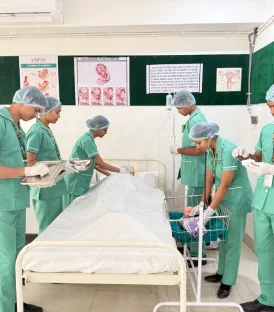
Creating awareness about occupational safety is essential for protecting surgeons, nurses, laboratory technicians, operation theatre technicians, and other healthcare professionals from needle stick injuries. Delhi Paramedical and Management Institute (DPMI) equips students with comprehensive knowledge of infection control practices, safe handling of sharps, and post-exposure management through industry-focused healthcare education.
By combining theoretical learning with practical clinical training, DPMI prepares future healthcare professionals to maintain the highest standards of workplace safety and effectively prevent occupational exposure in healthcare settings.