












Antibiotic Resistance: Causes, Prevention & The Silent Pandemic

June 20, 2026
Antibiotic Resistance
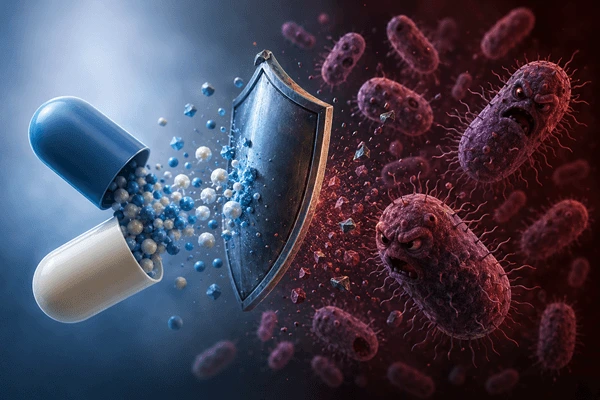
Antibiotic resistance has become one of the most serious public health challenges worldwide. Once considered miracle drugs, antibiotics revolutionised modern medicine by making it possible to treat bacterial infections effectively and perform complex surgical procedures safely. However, the inappropriate and excessive use of antibiotics has led to the emergence of bacteria that no longer respond to these medicines.
As antibiotic resistance continues to increase across the globe, it has been described as a "silent pandemic." Without effective antibiotics, common infections become more difficult to treat, increasing the risk of prolonged illness, complications, and mortality. Preventing antibiotic resistance has therefore become a global healthcare priority.
What is Antibiotic Resistance?
Antibiotic resistance is the ability of bacteria to survive and multiply even in the presence of antibiotics that would normally destroy or inhibit them. Resistance develops naturally through genetic mutations or by acquiring resistance genes from other bacteria through horizontal gene transfer.
These genetic changes allow bacteria to develop defence mechanisms such as altering the antibiotic's target site, reducing the drug's entry into the cell, producing enzymes that deactivate antibiotics, or actively pumping the drug out of the bacterial cell. As a result, conventional antibiotic treatments become less effective or completely ineffective.
Causes of Antibiotic Resistance
- Overuse and Misuse of Antibiotics: Using antibiotics for viral infections, self-medicating without professional advice, failing to complete prescribed treatment, and unnecessary antibiotic prescriptions all contribute significantly to the development of antibiotic resistance.
- Agricultural and Veterinary Use: The widespread use of antibiotics in livestock farming and agriculture promotes the growth of antibiotic-resistant bacteria. These resistant organisms can spread through food products, animals, and the environment, eventually affecting human health.
- Poor Infection Prevention: Inadequate hygiene, poor sanitation, and weak infection control practices in hospitals and communities allow resistant bacteria to spread rapidly among individuals and healthcare settings.
- Lack of Antibiotic Stewardship: Insufficient monitoring of antibiotic prescribing practices and limited awareness about responsible antibiotic use further accelerate the emergence and spread of resistant bacterial strains.
Prevention of Antibiotic Resistance
- Responsible Use of Antibiotics: Antibiotics should only be used when prescribed by qualified healthcare professionals. Selecting the correct antibiotic, dosage, and treatment duration based on confirmed diagnosis helps minimise the development of resistance.
- Effective Infection Prevention: Regular hand hygiene, proper sanitation, vaccination, and adherence to infection control protocols reduce the occurrence of bacterial infections and decrease the need for antibiotic treatment.
- Strengthening Healthcare Systems: Healthcare institutions should implement antimicrobial stewardship programmes, monitor antibiotic usage, and establish strict infection control policies to promote appropriate prescribing practices and early detection of resistant organisms.
- Public Awareness and Education: Educating healthcare professionals and the general public about antibiotic resistance encourages responsible medication use and helps reduce unnecessary antibiotic consumption.
Conclusion
Delhi Paramedical and Management Institute (DPMI) is committed to developing skilled healthcare professionals capable of addressing critical public health challenges such as antibiotic resistance. Through competency-based education and industry-focused healthcare programmes, DPMI equips students with the clinical knowledge and practical skills needed for safe and responsible patient care.
By combining academic excellence with hands-on clinical training, DPMI prepares future healthcare professionals to promote rational antibiotic use, strengthen infection prevention practices, and contribute to protecting public health.