










The Role of Early Diagnosis in Reducing Disease Complications & Improving Outcomes

May 27, 2026
The Role of Early Diagnosis in Reducing Disease Complications
The ability to detect diseases earlier is one of the primary ways in which disease management and associated medical treatment effectiveness can help individuals recover more quickly and achieve a better quality of life.. An early diagnosis will allow timely intervention for treatment, possibly stopping the disease from advancing further and reducing the risk of experiencing long-term complications. Additionally, due to increasing prevalence of chronic and lifestyle-related diseases, obtaining an early diagnosis is becoming even more critical for enhancing survival rates and reducing the long-term impact of chronic and lifestyle-related diseases.
What Does One Understand By Early Diagnosis
Early diagnosis includes the detection of both disease and other health issues, which can be detected as they begin to develop. Early detection enables physicians to intervene in a timely manner to treat the disease and prevent long-term damage. Therefore, early diagnosis includes not only diagnosing diseases or other health issues but also identifying risks or warning signs that could lead to the development of diseases or health issues if left untreated.
This process involves a combination of preventive health check-ups, screening programs, laboratory investigations, diagnostic imaging, and clinical evaluations. Routine screening, including blood tests, imaging, and genetic tests, provides healthcare providers with information about the possibility of an abnormality that may not yet present with visual signs or symptoms. Therefore, by having an early diagnosis of a disease or health issue, physicians can monitor the condition more closely and recommend preventive and early therapeutic action.
How Does Early Diagnosis Reduce Disease Complications
Minimizing disease-related complications by diagnosing early allows healthcare professionals to intervene with treatment before a patient's condition worsens. When healthcare professionals detect a disease earlier in its stage of development, they can quickly begin preventive measures and treat the disease, which lowers the chance that the patient will develop other diseases or medical problems as a result of an untreated disease.
- Prevents Disease Progression: By identifying a disease early in the disease process, one can slow or prevent the advancement of the disease. Chronic diseases such as diabetes, high blood pressure, cancer, and heart disease can be successfully treated early by preventing long-term organ damage and the development of additional health problems.
- Enables Timely and Targeted Treatment: As soon as the doctor diagnoses a chronic disease, they can begin to offer the best treatment options. Most early-stage treatments are less aggressive than those used later, hence less risk and a higher likelihood of recovery.
- Reduces the Risk of Severe Complications: Undiagnosed chronic diseases lead to many severe health complications such as impaired organ function, increased risk of infection, and long-term disability. Timely detection provides the opportunity to treat the underlying cause of the disease before serious complications occur.
- Improves Patient Survival and Quality of Life: The management of chronic diseases is essential for improved survival rates of an individual from infectious diseases to cancer. Persons diagnosed early will typically experience improved physical function, reduced pain and anxiety, and greater mental well-being.
- Lowers Healthcare Costs and Burden: Treatment for more advanced stages of chronic diseases often means longer hospital stays, extensive surgeries, and long-term intensive care. However, diagnosing these chronic diseases in their earliest stages reduces healthcare costs by avoiding complications, resulting in shorter lengths of stay and less extensive treatment.
Conclusion
Early diagnosis is essential for achieving success, minimising disease-related complications, and improving patient outcomes. By providing timely intervention, healthcare professionals can help minimise disease progression, prevent significant disease-related complications, and improve quality of life and survival rates for all patients. Increasing public awareness of the importance of early diagnosis of disease, educating individuals about what to do when they suspect a serious health problem, and increasing the availability and access to accurate diagnostic testing is critical to the development of a proactive, effective, and efficient healthcare system.
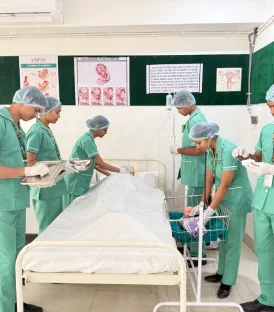
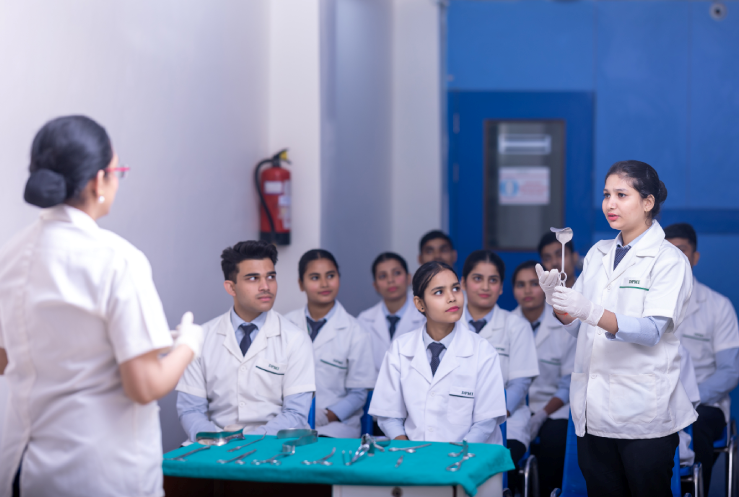
At DPMI Vocational Institute, specialized paramedical and allied health courses are designed to develop skilled healthcare professionals capable of supporting early disease detection through accurate testing and quality-driven laboratory practices. With a strong focus on operation theatre courses and medical laboratory technician courses, DPMI prepares students to contribute effectively to modern healthcare services. Choosing a professional course at DPMI is a step toward building a meaningful career while making a real impact on patient care and public health.