












Medicolegal Aspects of Anesthesia

September 23, 2026
Medicolegal Aspects of Anesthesia
Advancements in anesthesia have truly revolutionized modern medicine, as anesthesia allows patients to undergo complicated surgical and diagnostic procedures. Anesthesia can be general, regional, or local, and it is critical for preventing pain and achieving better surgical outcomes. Nevertheless, because anesthesia affects some vital processes, and especially breathing, anesthesia carries some risks. A single error in assessment or administration, monitoring, or treatment may result in injury, and even legal liability.
The medicolegal aspects of anesthesia refer to the legal requirements and moral obligations of both anesthesiologists and medical institutions. Following established norms helps protect both patients and medical personnel from liability.
What Are the Medicolegal Aspects of Anesthesia?
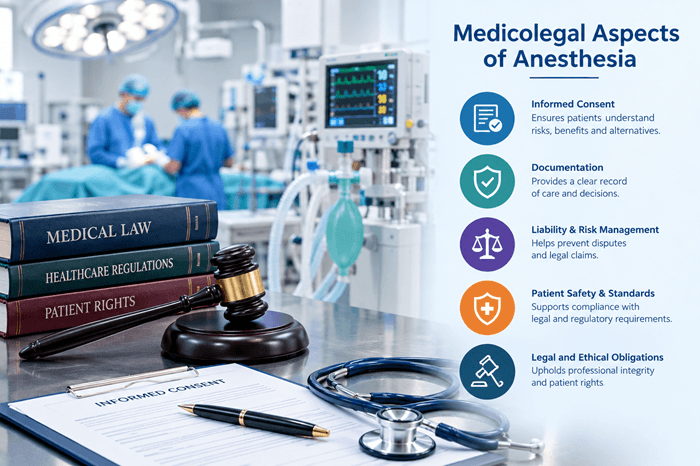
The medicolegal aspects of anesthesia cover legal issues, moral obligations, and professional standards that exist in the field of anesthesia. Among them are obtaining informed consent, passing a pre-anesthetic examination, maintaining medical records, following medical protocols, keeping track of patients’ condition, and taking action in the case of an emergency.
If the above responsibilities are violated, it may lead to medical negligence. Thus, anesthesiologists should be very careful and diligent throughout the perioperative process. Below mentioned are certain aspects of medicolegal aspects of anesthesia that one should ensure to take into consideration before performing any treatment procedure.
-
Pre-Anesthetic Assessment
An elaborate analysis of the patient is of utmost importance to lower any risks and make sure that the patient is treated safely. The assessment includes observing the patient’s medical history, medications, allergies, anesthesia history, laboratory tests, and current physical condition.
The identification of such diseases as heart problems, respiratory problems, diabetes, obesity, and difficult airway anatomy allows the anesthesiologists to devise a personalized approach to anesthesia and the possibility of complications. Proper evidence gathering serves as medicolegal evidence in the future. -
Adherence to Standards of Care
Anesthesiologists must provide necessary treatment according to accepted standards and the newest recommendations. It involves correct choice of anesthetic method, dosage of the required medication, use of sterile techniques, and monitoring process throughout the operation. - Informed Consent
Informed consent is one of the key legal obligations in anesthesia procedures. While undergoing anesthesia, patients are entitled to know what type of anesthesia is to be administered, how effective it is, what side effects it may cause, and what possibilities there are for refusal. Consent must be obtained in a language the patient understands and should be accompanied by enough questions. According to the principles of patient autonomy and shared decision made consent is more than just signing a paper.
-
Continuous Intraoperative Monitoring
Anesthesia involves patient monitoring, which is crucial for anesthetic practice. Ongoing monitoring of the patient’s oxygen levels, blood pressure, heartbeat, and respiratory functioning helps identify complications as they arise. Current monitoring equipment increases safety for patients, but the success of such devices depends on their operation, thoroughness of analysis, and correct clinical action.
Common Medicolegal Issues in Anesthesia
Different situations can lead to medico-legal claims against medical institutions and anesthesiologists, such as:
- Informed consent violation
- Medication and dose errors
- Insufficient patient supervision
- Airway management mistakes
- Delayed recognition of complications
- Failure of the equipment as a result of improper maintenance
- Miscommunication of discharge information
Almost any medicolegal case can be avoided if the existing protocols are followed and effective communication is put into practice.
Conclusion
The changes in anesthesia technology, the introduction of digital health records, telemedicine, and artificial intelligence are affecting the implementation of improvements in the field of perioperative care. These innovations will greatly improve the results of treatment; however, they will also create new ethical and legal dilemmas regarding the questions of data protection, confidentiality, and accountability. Medical professionals need to stay aware of the changes in legislation, the new updates in technology, and the developments in medical protocols.
Build a Career in Safe and Ethical Healthcare with DPMI Vocational Institute
DPMI Vocational Institute has a dedicated placement cell and internship support system for the students who choose to enter the paramedical industry right after completing their education. Moreover, the option of studying further and gaining more knowledge about the paramedical and nursing courses is also supported by the faculty at DPMI Vocational Institute. The students can secure real-world nursing and paramedical exposure at DPMI Vocational Institute while learning the academic know-how of the course.