










Role of A Nurse in End-of-Life Care

March 18, 2026

End-of-life care is an essential aspect of healthcare delivery, with a focus on providing comfort and maintaining dignity while enhancing quality of life for people suffering from life-limiting diseases. The course of medical intervention moves from being curative to being supportive, and therefore focuses on more than physical symptom management. End-of-life care is not only a way of managing the physical state of a patient, but also includes the psychological, social, and spiritual aspects of a person’s well-being. Due to their close and continual involvement with the patient and their family during the end-of-life processes, nurses play an integral role in it.
As health care practitioners, nurses bring together their clinical knowledge and skills with their compassion and ethics. They have several functions related to the provision of end-of-life, holistic, and patient-centred care, including ongoing assessments of patients and their families; advocating for patients wishes; coordinating care with members of the extended care team; and being available to support family members during the ongoing process of anticipation of death and loss. In fulfilling these responsibilities, nurses provide a substantial contribution to ensuring that end-of-life care is carried out with dignity and respect to patient's needs and values, and those of their caregivers.
Concept of End-of-Life Care
End-of-life care involves more than just providing symptom management. It provides emotional support and helps with ethical decision-making for patients and their families. End-of-life care is considered when curative treatment is no longer appropriate and introduces palliation that meets the goals of the patient. The delivery of end-of-life care can occur in different types of environments, such as hospitals, hospices, skilled nursing facilities (i.e., nursing homes), and at home, based on the patient's medical condition and personal wishes.
Elements included within end-of-life care include advance care planning, prognosis and treatment discussions, support through the dying process, and bereavement support. Providing end-of-life care requires an interdisciplinary team approach involving nurses, physicians, social workers, counsellors, and spiritual care providers to provide comprehensive support for the patient, the family, and the community. The overall goal of end-of-life care is to respect and uphold the dignity of the deceased, alleviate suffering, and provide support for the patients and families during one of life’s most vulnerable times
Holistic Nursing Care
As patients approach their end-of-life stage, the complexity and multidimensionality of their care increases, making it necessary for nurses to continually assess the patient’s physical and psychosocial needs and to provide compassionate care and appropriate professional judgement in the provision of their care. Nurses have the highest level of direct patient care contact of any member of the healthcare team and thus have a sustained and central role in providing care to both the patient and their family. Understanding the diverse roles of nurses in end-of-life care can be understood through the following factors.
1.Holistic Care and Comfort Management
Through a holistic and compassionate approach, nursing staff at end-of-life care facilities help to meet the total needs of patients. For instance, they look after the physical comfort of patients, i.e., controlling pain, difficulty breathing, nausea, and fatigue, as well as addressing the psychological, social, and emotional needs of the patient and their family members. The way they measure comfort is by utilizing several different tools and methods. However, the overall goal is always to offer comfort and to minimize suffering for patients. By viewing each patient as a complete person rather than only addressing specific medical conditions, nursing staff provide the dignity and comfort necessary for patients throughout the dying process. Additionally, a key aspect of end-of-life care involves staff being able to identify when patients are experiencing pain or other symptoms, such as having difficulty breathing, and taking appropriate actions to alleviate these problems.
2.Pain and Symptom Control
Additionally, a key component of end-of-life care involves effectively managing pain and other symptoms. The nursing role in pain and symptom management begins with close monitoring of symptoms and administering medications as ordered. They assess the level of pain or discomfort experienced by each patient by observing any physical changes or by questioning the patient about their level of pain. They are also able to provide timely intervention based on their training and experience working in collaboration with physicians and palliative care teams, ensuring that each patient will experience as little distress as possible and that their quality of life will be maintained throughout their final days.
3.Family-Centred Care and Bereavement Support
Both families and patients experience the emotional toll of providing care for patients nearing death. As nurses provide emotional support for patients and their families, they take the time to actively listen to their patients’ fears, as well as offer compassion and comfort during the inevitable moments of loss and uncertainty. The presence of a nurse within the healthcare team assists in establishing trust, which can help lessen feelings of being alone and alone with grief. While assisting patients with end-of-life care, nurses also assist family members and caregivers by providing education regarding the dying process and what to expect in terms of the physical aspects of death. This type of preparation for the dying experience can alleviate anxiety and assist families in coming to terms with the inevitable loss.
4.Professional Competence and Emotional Resilience of Nurses
As patients approach their end-of-life stage, the complexity and multidimensionality of their care increase, making it necessary for nurses to continually assess the patient’s physical and psychosocial needs and to provide compassionate care and appropriate professional judgement in the provision of their care. Nurses have the highest level of direct patient care contact of any member of the healthcare team and thus have a sustained and central role in providing care to both the patient and their family.
Conclusion
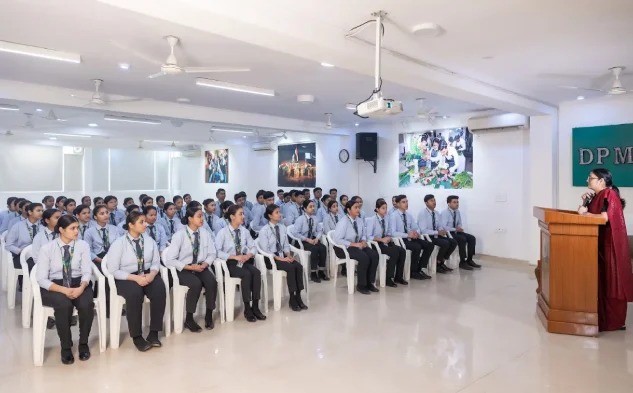
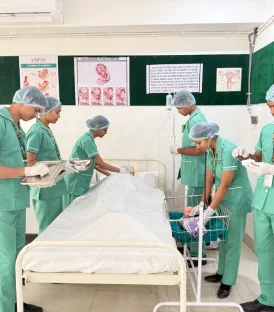
With an increasing demand for highly skilled nursing personnel to provide care for those at the end-of-life and in palliative care settings, structured educational programs with hands-on clinical experiences will be required. DPMI, in their nursing courses, have put an emphasis on skill-based learning, ethical practices, and patient-centred care to prepare nursing students for the clinical and emotional challenges associated with caring for dying individuals and their family members. By attending a respectable nursing school such as DPMI, nursing students can develop professional competence and compassionate expertise that will allow them to have a positive impact on the lives of these individuals and their families during their time of greatest need.