











Chemotherapy: A Gift for Life - Benefits, Uses & Cancer Care

April 20, 2026
Chemotherapy: A Gift for Life
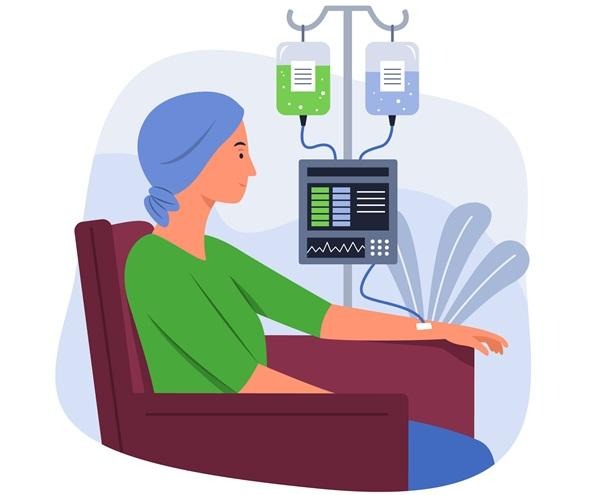
As one of the leading causes of morbidity and mortality around the world, cancer is a considerable problem for healthcare systems. Chemotherapy plays a pivotal role in the management of many cancers and is one of the most common forms of treatment utilised to either cure, control or palliate this type of disease. Chemotherapy involves the use of cytotoxic and targeted agents administered into the patient’s system, with the purpose of destroying rapidly growing cancer cells. By doing so, chemotherapy prevents the patient’s tumour from growing and the progression of disease.
Although chemotherapy may cause several physical and psychological side effects, it has also led to significant improvements in the length of time that patients with cancer survive, as well as in their overall quality of life. New medications, dosing techniques, and support provided by healthcare professionals have improved chemotherapy’s effectiveness while reducing the negative side effects that some people experience.
What is Chemotherapy
Chemotherapy refers to the medical treatment of cancer using cytotoxic, or anti-cancer, drugs to kill malignant cells, preventing their further growth and replication. Most of these drugs are designed to affect many rapidly dividing cells, which are typically cancerous tumours.
Chemotherapeutic agents may be used as a cure for cancer by eliminating all cancerous tissue through adjuvant therapy, to shrink a tumor before surgery or to kill any remaining tumor cells after surgery. Depending on the specific treatment protocol, chemotherapy may be administered through any combination of different routes such as intravenously by infusion, orally in the form of tablets, intramuscularly, subcutaneously, or through intrathecal injections.
How Chemotherapy Becomes a Gift for Life
Chemotherapy is often perceived as a physically and emotionally demanding treatment; however, its impact on cancer care extends far beyond its side effects. By improving survival, controlling disease progression, and enhancing quality of life, chemotherapy emerges as a gift for life for millions of cancer patients worldwide.
- Curative Potential: The potential for curative treatment through chemotherapy exists in some malignancies, including leukemia, lymphoma, testicular cancer, and some pediatric cancers. Chemotherapy works by killing cancerous cells and preventing their excessive growth, allowing many patients to achieve total remission. Therefore, providing a pathway to long-term survival and cure.
- Control of Disease Progression: In some cases, a total cure may not be possible. However, chemotherapy plays an important role in controlling the progression of cancer. Chemotherapy reduces the size of the tumor, inhibits the spread to other parts of the body, and helps keep the condition of patient stable. The result is that patients who receive chemotherapy can live longer and lead more fulfilling lives.
- Enabling Other Treatment Modalities: Chemotherapy is frequently utilized as neoadjuvant therapy, i.e., to shrink tumors before surgery or radiation therapy. The use of chemotherapy before these types of treatment allows for a greater rate of success. Chemotherapy is also used as an adjuvant treatment to treat microscopic cancer cells that may remain after primary treatment and consequently help decrease the chance of recurrence and improve the overall prognosis.
- Improvement in Quality of Life: In a palliative care setting, chemotherapy can help reduce some of the distressing symptoms caused by malignancies, including pain, shortness of breath, and organ compression. Reducing these types of symptoms will improve overall comfort, protect dignity, and enhance quality of life for many patients with advanced cancer.
- Psychological Hope and Emotional Strength: The fact that chemotherapy is available to patients and families gives them hope and reassurance that they will have access to an effective treatment regimen. This psychological support fosters emotional resilience and inspires patients to become actively involved in the overall treatment and recovery process.
Conclusion
As the number of oncology professionals continues to increase, it is vital to train nurses and allied health providers. A well-trained healthcare employee will ensure that patients receive care that is safe, compassionate, and evidence-based. The education provided by the DPMI Vocational Institute plays a critical role in the development and training of successful healthcare workers and in providing an education that is focused on the needs of the marketplace.