











Radiotherapy vs Chemotherapy: Differences, Benefits, and Treatment Methods

March 30, 2026
Difference between Radiotherapy and Chemotherapy
There currently remains no definitive cure for cancer within modern medicine. In addition to being an extremely difficult disease to treat, cancer requires a variety of treatment options and methods to have a significant impact on the patient’s outcome. Radiotherapy and chemotherapy are two of the most utilized treatment options for the control of tumours and improvement of the prognosis of patients diagnosed with cancer. Both radiotherapy and chemotherapy have been proven to be effective in controlling the growth of malignant cells and improving survival rates for patients with tumours. However, even though both modalities were designed to kill malignant cells, they do so by different means, produce different effects, and are applied differently in clinical practice. Therefore, for both healthcare providers and patients to make informed decisions about their treatment plans, it is essential for them to have a clear understanding of how each of these two modalities will impact their respective cases.
What is Radiotherapy?
Radiation therapy, also known as radiotherapy, uses ionising radiation to destroy malignant cells. The primary mechanism of action is the creation of DNA damage to disrupt the cancer cell’s ability to reproduce, ultimately leading to programmed cell death. The high degree of precision and localisation achievable with radiotherapy is particularly useful for treating solid tumours while simultaneously minimising exposure of healthy tissue adjacent to the tumour. Radiotherapy can be divided into two major categories, i.e.,
- External Beam Radiotherapy (EBRT) - High energy X-Rays or other particle beams are directed toward the tumour from an external source. With advances in EBRT technology, like Intensity Modulated Radiation Therapy (IMRT) and Image Guided Radiation Therapy (IGRT), it has become possible to deliver very precise doses of radiation to the tumour while minimising damage to the surrounding healthy tissue.
- Brachytherapy - Radioactive sources are inserted into or near the tumour, allowing for higher doses of radiation to be focused locally while sparing healthy tissue, such as in prostate, cervical and breast cancer.
What is Chemotherapy?
Systemic chemotherapy uses cytotoxic drugs to kill cancer cells that multiply quickly. It can also kill other quickly growing cells, but that is not associated with a particular tumour site. Systemic chemotherapy is delivered to all areas of the body via the bloodstream and is therefore effective in treating patients with metastatic or circulating cancer cells. The way in which chemotherapy works depends on the classes of drugs used. Some drugs stop cancer cell DNA from replicating and therefore making new cancer cells. Other drugs stop cancer cells during the mitotic phase of the cell cycle. Still, other drugs will cause cancer cells to die through the process of apoptosis. The fact that these drugs can kill both cancer cells and rapidly dividing healthy cells such as bone marrow, mucosa (G.I.) and hair follicles, is what gives rise to their many side effects.
Chemotherapy can be given to patients in several different ways, which include,
- Intravenous Administration: Delivery of medication into the blood via an IV catheter.
- Oral Administration: Delivery of medication through the digestive system, in pill or capsule form.
- Regional Administration: Delivering chemotherapy to a specified target region.
Differences Between Radiotherapy and Chemotherapy
Some key differences between chemotherapy and radiotherapy highlight their differences in how they work on cancer, the areas of the body that chemotherapy and radiotherapy work on, and how they affect patients. Below are a few of the differences:
- Mechanism of Action: Radiation therapy is the use of high energy ionizing radiation to cause damage to DNA in cancer cells and prevent these cells from reproducing. This ultimately causes cancer cell death. Chemotherapy is also a method of killing cancer cells with anti-cancer drugs. However, instead of localizing its effect like radiation therapy, chemotherapy is systemic, and it can kill all rapidly growing and dividing cancer cells throughout the entire body.
- Scope of Treatment: Radiotherapy focuses on a single area or tumour and minimizes damage to surrounding normal tissue. Chemotherapy is systemic in nature and is used to treat all rapidly dividing and growing cancer cells throughout the body, including areas of potentially metastatic cancer.
- Delivery Method: There are several methods of delivering radiation therapy. Radiation can be delivered externally using radiation machines such as linear accelerators or internally using brachytherapy, where small radioactive sources are placed close to or inside the target tumour. Chemotherapy can be delivered in a variety of different ways, such as oral chemotherapy tablets, intravenous infusions, or regional chemotherapy treatments.
- Effect on Normal Cells: Radiation has a direct effect on the tissue located around the area receiving treatment, and any associated side effects only impact the area being treated. While chemotherapy affects all rapidly multiplying cell types in the human body, as they enter their life cycle, it will have a much more widespread impact than radiation. For example, healthy cells such as hair follicles, bone marrow and the GI Tract will also suffer many of the same side effects of chemotherapy, including nausea, loss of hair and immunosuppression.
- Treatment Timelines: Radiotherapy is usually administered in fractional doses over the span of a few weeks, while chemotherapy treatments are given in cycles, alternating treatment with rest periods to minimise the possibility of toxic effects from the drug and to allow for recovery of healthy cells.
Conclusion
Chemotherapy and radiotherapy are two of the most common forms of treating cancer. They are both equally important aspects of COVID-19 treatment, but have different mechanisms to treat the disease. Chemotherapy is a systemic approach, and radiotherapy is localized in nature. With chemotherapy, one is treating cancer cells regardless of whether they have already spread elsewhere in the body, whereas with radiotherapy, one is targeting specific cancer cells in one area only and not targeting other areas of the body.
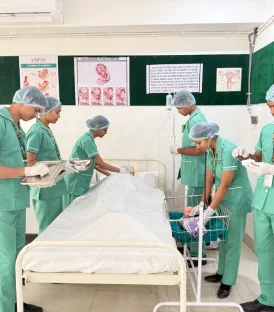
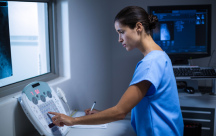
For students and professionals pursuing a career in medical imaging, enrolling in a diploma in radiology program in DPMI provides foundational knowledge of diagnostic techniques, radiation safety, and treatment modalities, including radiotherapy and chemotherapy. Completing such a diploma equips individuals with the skills necessary to contribute effectively in hospitals, diagnostic centres, and cancer care facilities, bridging the gap between theoretical understanding and practical application.