










Radiation Safety in Daily Radiography Practice: Key Principles & ALARA

May 20, 2026
Radiation Safety in Daily Radiography Practice
Radiography is an essential asset to today's healthcare system because it enables accurate diagnosis and treatment planning. Radiation is used in hospitals and diagnostic labs for many reasons daily, from routine chest X-rays to highly developed imaging techniques. While there are many uses for radiation in medicine, there is also the potential for harm due to radiation exposure if the use of radiation is not properly regulated or controlled. Because of this, radiation safety is considered a professional, ethical and legal obligation for all those involved with the daily practice of radiography.
Radiation safety assures the maximum benefit from diagnostic procedures while reducing the amount of unnecessary exposure to patients, radiographers and the surrounding environment.
Overview of Radiation-Associated Risks
Typically, Medical Imaging Radiation is used at low levels, which are generally safe as long as used within the proper guidelines. Repeated or poorly controlled exposure to radiation poses many risks, including damaged tissue due to high doses of radiation, lifetime risk of developing cancer, work-related injuries to healthcare workers who use radiographic equipment, and incidental exposures to vulnerable populations. This creates a clear need to enforce strict adherence to procedures for managing radiation exposure during the daily practice of radiography.
To reduce the risk of these issues, radiography is required to use the principle of ALARA (As Low as Reasonably Achievable). This means the amount of radiation to which a patient is exposed should be the least amount needed to create an image of adequate diagnostic quality to ensure maximum benefit to the patient, while providing them with the lowest level of risk possible.
Practical Radiation Safety Measures
As radiation safety becomes a part of everyday business operations for imaging professionals, it's easier for radiographers to regularly implement safety practices while performing imaging studies, thereby reducing the potential for unnecessary radiation exposure to patients and staff, and at the same time, producing quality diagnostic images.
- Positioning: Accurate patient positioning and effective communication with the patients will provide the required image on the first attempt, which will reduce repeat examinations and unnecessary radiation exposure.
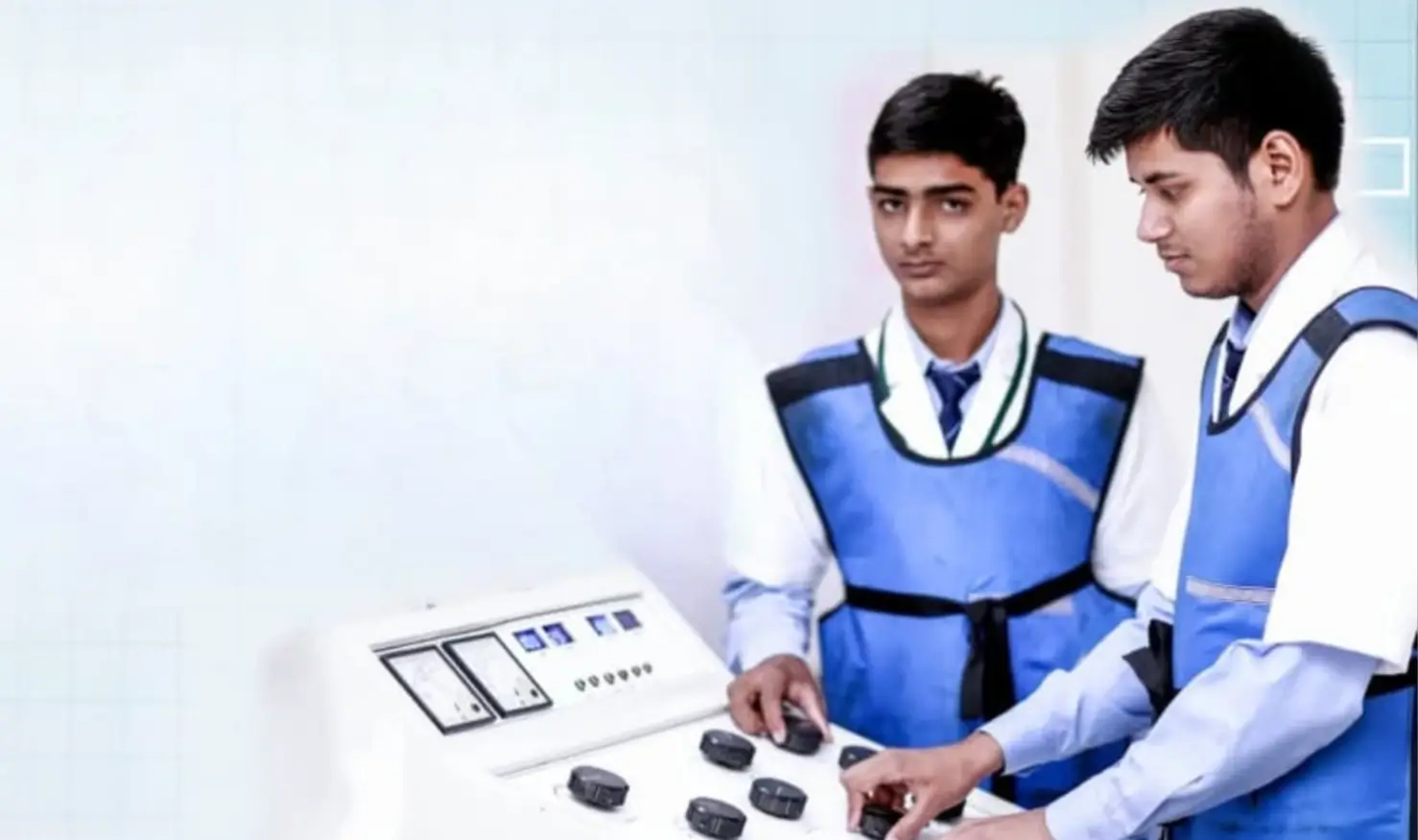
- Utilization of Protective Shields: Protective devices such as lead aprons, thyroid shields, etc., should be consistently used to protect radiosensitive tissues, particularly in paediatric and reproductive-age patients.
- Application of the ALARA Principle: When selecting exposure factors (kVp, mAs) and limiting the imaging area to only the region of interest, radiographers will be able to achieve optimal image quality while exposing patients to a low dose of radiation.
- Time-Distance Shielding Rule: Whenever possible, minimize the time spent near radiation sources, maintain a safe distance, and use protective barriers to minimize occupational exposure.
- Test Equipment Regularly: Routine calibration, performance testing, and adherence to all safety protocols ensure that radiographic equipment functions correctly and safely and that patient exposures remain as low as possible.
Conclusion
Imaging professionals who wish to develop these critical skills may greatly benefit from obtaining a formalized education and gaining real-world experience through a structured educational setting. Delhi Paramedical & Management Institute (DPMI) offers radiology technician courses and a diploma in radiology that provide students with the necessary theoretical knowledge and technical competencies to work in the field of medical imaging.
The first step towards a rewarding career as an imaging professional in the field of Medical Imaging is to enrol in a quality program, while also working towards improving safety in all areas of radiographic procedures.