












Cystic Fibrosis: Understanding the Genetic Disorder & the Role of Healthcare Professionals

April 27, 2026
Cystic Fibrosis: A Genetic Disorder
Genetic abnormalities may create continuous health issues and continued deterioration of an individual’s quality-of-life. By using the newest techniques to identify genetic disorders at an early point in time, i.e. through genetic testing, and with an increasing number of treatment options available for conditions related to genetics, we are learning more about how to manage genetic disorders and ultimately how to resolve the issues surrounding them. An example of how technological advancements are changing the way we treat and care for genetic disorders is cystic fibrosis.
What is Cystic Fibrosis?
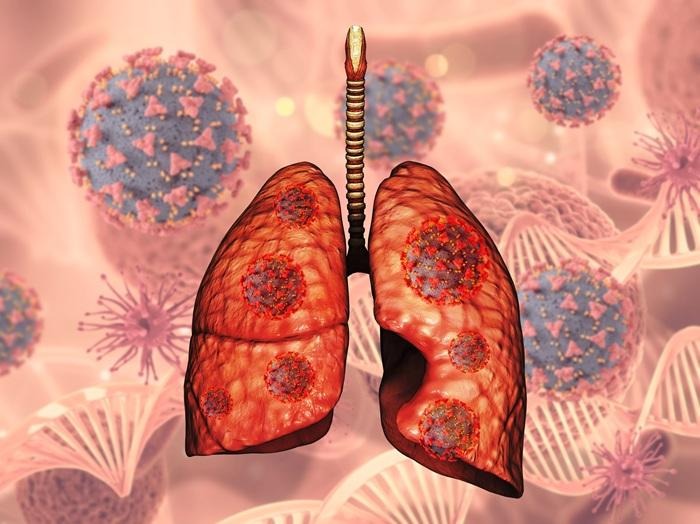
Cystic fibrosis is a long-lasting, inherited genetic disorder caused by dysfunction of the exocrine glands, especially in the respiratory and gastrointestinal systems. The dysfunction results from the abnormal transport of salt and water across epithelial cell membranes to produce an excess of thick and viscous mucus, which blocks the airways, causes repeated infections, and damages the digestive processes. Cystic fibrosis remains a life-long illness, but due to early diagnosis, targeted treatment, and comprehensive care have dramatically increased individuals’ life expectancy and enhanced the overall quality of life.
What Causes Cystic Fibrosis?
Mutations in the (Cystic Fibrosis Transmembrane Conductance Regulator) CFTR gene are responsible for causing cystic fibrosis, which is essential for regulating the flow of chloride ions across cell membranes. Well-regulated chloride transport maintains a healthy balance of salt and water on the surfaces of his cells. If the CFTR protein is absent or mutated, the salt and water balance will be effected and, thus, produce thick, dehydrated mucus that builds up in multiple locations, more commonly within the lungs and the digestive tract.
Cystic fibrosis is passed down in an autosomal recessive fashion. An individual develops cystic fibrosis only when they inherit two defective copies of the CFTR gene, one from each parent. Carriers of one defective CFTR gene generally do not display signs of cystic fibrosis due to the presence of a second normal copy of the gene. For pregnancies where both parents are carriers, there is a 25% chance that the child will inherit cystic fibrosis, a 50% chance that the child will inherit only one defective CFTR gene and therefore also be a carrier, and a 25% chance that the child will inherit normal copies of the CFTR gene.
How Does Cystic Fibrosis Affect the Body?
Cystic fibrosis damages a person’s body through a complex, progressive series of interactions between the body’s different organs. These interactions are caused by an abnormality in how ions are transported throughout the body. This abnormality allows thick mucus to accumulate on top of itself, which then interacts negatively with the other organs and may create problems or organ failures. The accumulation of this thick and sticky mucus causes the immune system, lungs, and many vital organs to remain in a state of chronic inflammation and recurrent infections occurs which eventually leads to organ damage due to the inability of these organs to effectively eliminate the excess mucus. Therefore, while the effects of cystic fibrosis are most prominently seen in the lungs and digestive system, they are also witnessed throughout the entire body and highlight the systemic nature of the disease.
- Respiratory System: The lungs of individuals who suffer from cystic fibrosis produce significant amounts of abnormal mucus, making breathing difficult, and allowing the lungs to be constantly exposed to infection. Therefore, individuals with cystic fibrosis typically suffer from chronic cough, wheezing, recurrent lung infections, and progressive lung impairment.
- Digestive System: The mucus produced during the disease can cause blockage in the pancreatic duct, preventing enzymes from being secreted into the intestine. As a result of the blockage, digestion becomes impaired, and nutrients are not being absorbed correctly, resulting in weight loss, vitamin deficiencies, and children show normal growth patterns.
Treatment of Cystic Fibrosis
The most significant benefit of modern medications and emerging technologies stems from advancements in medical science, enabling the treatment of both clinical symptoms and the underlying cause of the condition. The method of treating cystic fibrosis is usually by providing a combination of airway clearance techniques, medications to break up mucus and fight against infections, nutrition, and specialized medications known as CFTR modulators. In order for healthcare professionals to provide the best possible care for patients suffering from cystic fibrosis, it is recommended that the services of a multi-disciplinary healthcare team be utilized, ensuring that every patient has a personalized plan of care, depending on their individual symptoms, progression of their disease, and individual health needs. The multi-disciplinary team approach will allow for longer and healthier lives for those individuals suffering from the disease.
Conclusion
Cystic fibrosis emphasizes the value of skill and dedication in the treatment of complex lifetime diseases where professionals must deliver quality care with efficiency, understanding, and the ability to monitor patients over time. Trained operating theatre staff play an essential role in maintaining safe and effective patient care by providing a variety of services, including respiratory therapy, infection control, etc.
DPMI offers OT technician courses for students who are looking to pursue a meaningful career in healthcare, practical training and clinical experience. The course enables students to gain the required industry-related skills to support patients in different healthcare environments. In addition to providing students with an opportunity for a successful career, these courses also provide an opportunity to achieve a higher standard of personal achievement through learning about healthcare-related skills.