










Career Opportunities in Nuclear Medicine

February 28, 2026
Career Opportunities in Nuclear Medicine
Nuclear medicine is a multi-disciplinary sub-speciality of medical science that combines the principles of physics, chemistry, and biology with clinical medicine to provide a mechanism for diagnosing and treating disease at the molecular and functional level. Nuclear medicine techniques enable the assessment of physiological function using radiopharmaceuticals. This functional assessment provides the opportunity for early diagnosis, precise staging, and treatment strategies that are targeted, especially in the areas of oncology, cardiology, and neurology.
Rapid technological advances in imaging systems such as Positron Emission Tomography (PET), Single Photon Emission Computed Tomography (SPECT), and hybrid imaging modalities have greatly increased the use of nuclear medicine. As a result, there has been an increase in the number of trained professionals who can operate advanced imaging equipment and provide radiation safety, as well as contribute to clinical decision-making. Therefore, nuclear medicine is becoming more relevant than ever, with numerous and sustainable career paths available in clinical, technical, research, and commercial settings.
What is Nuclear Medicine
Nuclear medicine is a clinical discipline that employs diagnostic and therapeutic modalities to evaluate disease processes based on physiological function rather than structural anatomy. Nuclear medicine is founded on the principle that many pathological conditions produce detectable functional alterations in cellular metabolism, receptor activity, or biochemical pathways before structural abnormalities become apparent. The use of functional measures will allow nuclear medicine practitioners the opportunity to enhance the accuracy of intervening before the development of any structural deficits associated with those pathophysiological changes.
Nuclear medicine uses small amounts of radioactive compounds, which are injected into people’s bodies, based on the known biological processes. Following the injection of radioactive tracers, there is often a time interval for the tracers to move to the target organs of interest, where they will begin emitting radioactive energy. Furthermore, the imaging systems will detect the emitted radiation and translate it into quantitative information about the organs of interest and their associated molecular functions. This ability to quantify tissue and organ biological functions is the major distinction between nuclear medicine and other modalities of imaging. Nuclear medicine is, therefore, an integral part of an evidence-based approach to clinical practice.
Academic Pathway in Nuclear Medicine
For most people aiming to take a step towards their careers in nuclear medicine, formal education in healthcare is the foundational beginning phase. Students shall aim to obtain a diploma or bachelor’s degree in medical imaging in Nuclear Medicine Technology. After graduating, students can choose to specialize in Nuclear Medicine as a medical speciality for better career prospects. Herein mentioned are certain career opportunities available for the youth in the field of Nuclear Medicine.
- Nuclear Medicine Physicians: Nuclear medicine physicians are medical doctors (MDs) who interpret images performed using nuclear medicine and provide patients with radionuclides to treat medical conditions. These physicians play a significant role in the diagnosis and treatment of several types of cancers, cardiac disorders, neurological disorders, and certain endocrine disorders
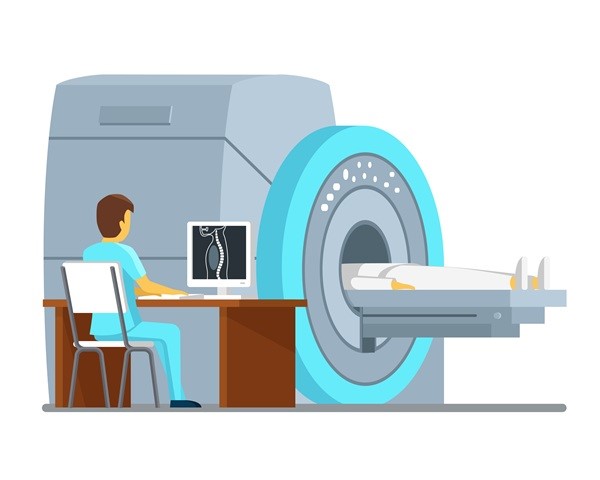
- Nuclear Medicine Technologists: Nuclear medicine technologists operate various nuclear medicine imaging devices, including PET and SPECT machines, develop radiopharmaceuticals, and assist Radiologist Doctors using imaging devices. Nuclear medicine technologists must be aware of radiation safety standards to ensure the safety of patients who require their diagnostic or therapeutic intervention. This is one of the most sought-after positions around nuclear medicine technology.
- Medical Physicists: Medical physicists are responsible for ensuring the quality, safety, detection capability, and proper calibration of all types of nuclear medicine imaging devices. Medical physicists work closely with physicians and technologists to help them with the proper functioning of imaging equipment, such as the calibration of the devices, dosimetry and the minimization of radiation exposure to patients.
- Radio pharmacist: Radio pharmacy is a speciality that focuses on preparing radiopharmaceuticals, performing quality control of the radiopharmaceuticals, and handling radiopharmaceuticals safely. Radio pharmacy plays a critical role in ensuring that nuclear medicine procedures are safe and effective. Radio pharmacists can find employment in hospitals, research facilities and pharmaceutical companies.
- Careers in Research and Academia: Nuclear Medicine professionals may choose to focus on clinical research, education in academia, and innovation within the field of Nuclear Medicine. Research opportunities may include developing new radiotracers, improving image acquisition methods and developing targeted radionuclide therapies.
Conclusion
As nuclear medicine continues to develop, the requirement for paramedic professionals will rise to meet the demands for diagnostic and therapeutic health care. The career opportunities in this area require not only an understanding of the medical field but also an ability to perform hands-on clinical practice while adhering to regulatory and ethical standards.
For those interested in pursuing a career in nuclear medicine or allied fields, the DPMI Vocational Institute has established specialised programmes to prepare students to acquire technical skills and develop clinical expertise. After getting enrolled in DPMI, the students shall have access to a dynamic and skill-based training environment with instructors who possess years of experience. Upon completion of these courses, students will have a strong foundation for continued career advancement in the rapidly changing health care profession.