









Antibiotic Resistance: A Global Health Threat & How to Combat It

August 25, 2026
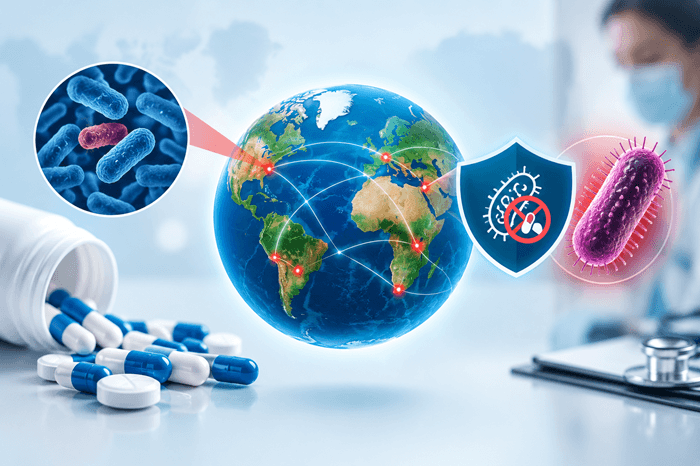
How Antibiotic Resistance Is Becoming a Global Threat
Among the advances made in medicine, one of the greatest advances is the use of antibiotics. Antibiotics have affected how we deliver health care. The treatment of bacterial infections, reduction of death rates, and improvement in the ability to complete surgeries and complex procedures are all examples of how antibiotics have changed the healthcare world.
However, along with the many benefits of antibiotics, there are also some long-lasting effects that must be considered. Antibiotics are becoming a growing threat because of the increasing number of bacteria that are resistant to the antibiotics used to kill or block the growth of these organisms. Bacteria become resistant to antibiotics when they modify themselves genetically.
What is Antibiotic Resistance?
Antibiotic resistance refers to a process through which bacteria gain the capability of withstanding antibiotics, thereby allowing them to continue reproducing even if the antibiotic was successful in killing their ancestors earlier. Simply put, antibiotics cease to work because bacteria learn from the drug’s effects and become capable of overcoming those effects through mutation and/or other mechanisms. Consequently, doctors encounter difficulty in treating bacterial infections due to antibiotic resistance and may be required to give stronger medications, extend the duration of therapy, or utilize alternative methods to treat the infection.
Causes of the Growing Threat
Antibiotic resistance is a complex issue that stems from multiple factors and affects different areas of human life. Below mentioned are the common causes of the looming threat of antibiotic resistance.
- Overuse of Antibiotics :
The common but highly unwarranted consumption of antibiotics stands out as a primary contributor to resistance. Frequent use of the medicine exposes bacteria repeatedly to these drugs, which heightens their chances of developing resistance against them.
- Self-Medication :
Many people consume antibiotics while suffering from an acute disease without the guidance of a trained medical professional. However, self-dosing can result in consuming inaccurate amounts of doses, which ultimately contributes to antibiotic-resistance problems.
- Agriculture :
Farm animals receive large quantities of antibiotics, either to prevent disease or to help with growth, creating more potential methods for resistant bacteria to spread from animals to humans.
- Infection Control :
Many times, hospitals and other healthcare facilities lack adequate safeguards to prevent the transmission of bacteria to patients from infected patients in the facility.
- Novel Antibiotic Development:
The development of new antibiotics has decreased significantly in recent years. As the resistance to existing antibiotics is growing, there are fewer and fewer effective treatment options available.
How to Combat Antibiotic Resistance
Combating antibiotic resistance will require the combined efforts of qualified healthcare professionals, policy-makers, researchers, and the general public. Herein mentioned are specific methods that will help us to combat antibiotic resistance.
- Promoting Rational Use of Antibiotics :
Using antibiotics as per the dosage prescribed by a medical professional and only for confirmed cases of bacterial infection shall be helpful in avoiding antibiotic resistance.
- Strengthening Infectious Disease Prevention :
Making sure people consistently practice good hygiene through hand washing, clean facilities, and being vaccinated against infectious diseases will decrease the spread of infections. Therefore, it also decreases the spread of antibiotic resistant strains.
- Improving Public Awareness :
Public campaigns regarding educating people about how improperly using antibiotics may be dangerous and encouraging appropriate antibiotic usage will help prevent the misuse of antibiotics.
- Promoting Research and Innovation :
Funding and research into new antibiotics, new methods for diagnosing infection, and alternative therapies are critical to continue addressing newly emerging resistant bacteria.
- Facilitating Cooperation:
Infection with resistant bacteria can occur anywhere in the world. Therefore, global cooperation for the purpose of tracking resistant bacteria, researching new antibiotics, and developing safe and effective ways to treat infections caused by resistant bacteria is critical.
Conclusion
Today, there is a growing issue with antibiotic resistance which is one of the major global health threats. Resistant bacteria are developing as a result of inappropriate prescription and use of antibiotics, ineffective control of infection, and limited new antibiotics available for treatment.
If we do not act to prevent the continued growth in resistance to antibiotics, we put decades of medical achievements at risk and millions of lives in danger. The promotion of appropriate use of antibiotics, public awareness, and enhancing research and resources in healthcare systems are essential for effectively using antibiotics for generations to come.
Join DPMI To Learn More About Antibiotic Resistance
DPMI is a reputed institution that offers multiple paramedical & Allied Healthcare and Nursing courses for the professional development of the students.
Studying at DPMI poses a strong benefit point for the students because the placement support and career guidance offered during the final stage of the course are excellent. DPMI has professional connections with medical professionals, hospitals, companies, etc., which help the students to explore career opportunities after completion of their paramedical course.
Students who are aiming to enroll in a Paramedical & Allied Healthcare Courses shall fill up the application form at DPMI and secure their admissions for the respective academic year.