







Advantages of HEPA Filters in Operation Theatres (OT): Infection Control & Sterility

May 29, 2026
Advantages of the HEPA Filter In OT
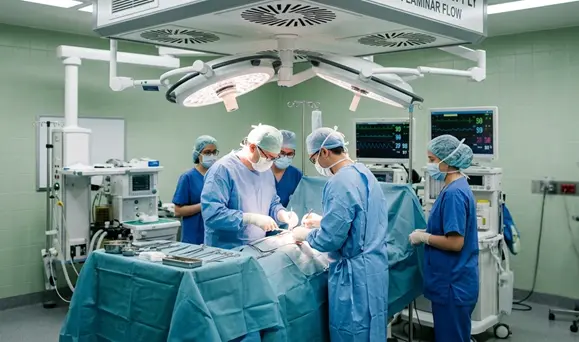
To maintain adequate cleanliness and prevent infections after the surgical procedure, it is essential to keep the atmosphere of the operation theatre (OT) clean and free from dust, airborne microorganisms, and other contaminants. The modern-day hospitals use a HEPA, i.e., High-Efficiency Particulate Air filter as part of the ventilation system for operation theatres to help provide the highest level of asepsis during surgical procedures. The HEPA filter's role is to filter air so that a controlled environment is created and maintained, aiding surgical success, and providing the highest level of quality health care.
What is a HEPA Filter?
A HEPA filter can be defined as a method of air-cleaning filtration that removes small particles from the air that cannot be identified by sight. It can remove 99.97% of the particles during air cleaning at 0.3 microns in size or smaller, which includes dust, pollen, bacteria, fungal spores, and many other potential sources of health hazards.
HEPA filters consist of a dense mat of randomly arranged microscopic fibres. The process of removing contaminants occurs as air flows through this layered filter, and particles become trapped effectively because of interception, impaction, and diffusion. Unlike regular air filters, which primarily block large dust particles, HEPA filters have been specifically designed to trap microscopic contaminants, making them the ideal filter for use where extremely high levels of cleanliness and infection control are required.
In operation theatres within hospitals, HEPA filters are incorporated into Air Handling Units (AHUs) and their associated ventilation systems to continuously clean any incoming air. HEPA filters ensure that air circulating in the OT has no microbial contamination and therefore maintain sterile conditions required during safe surgical procedures. This technology, as used in modern-day cleanroom design, is crucial not only for the protection of patients but also for the protection of healthcare professionals.
Key Advantages of HEPA Filters in OT
In an operating theatre, it's critical to have HEPA filters providing a controlled environment. They provide continuous air filtration and circulation, which reduces airborne irritants, contributes to efficiency in following strict infection control protocols and ensures surgical safety. Integration of HEPA filters into HVAC systems for the OT improves air quality and provides better patient outcomes.
- Infection Control: HEPA filters stop bacteria, viruses and dust particles from contaminating and mutating bacteria to settle on surgical instruments and open wounds.
- Maintaining Sterile Zone: HEPA filters are used to circulate fresh air, thus continuously cleaning all circulating air within the OT, which is especially important when performing complex and long duration surgical procedures.
- Provide Clean Air: HEPA filtered airflow removes dust, lint, skin and other particulates generated by motion within the OT, which helps to always provide the cleanest possible environment within the OT.
- Laminar Flow Support: HEPA filters are an important part of the laminar airflow methodology that enables the HEPA filters to create the cleanest flow of air in one predictable direction to and around the patient's surgical field while having minimal turbulence.
- Improve Patient Safety: The cleaner the air in the OT, the less exposure a patient has to infectious airborne pathogens, resulting in fewer post-operative complications.
Conclusion
HEPA (High-Efficiency Particulate Air) filters are vital components in the modern design of operating theatres. They provide clean air in OT, reduce airborne microorganisms, and maintain sterile conditions for safe surgical procedures. HEPA filters play a critical role in preventing infections, ensuring patient safety, and ensuring compliance with government regulations. In addition to continuously improving air quality in the operating room, HEPA filters are critical to precision healthcare, thereby improving surgical outcomes and increasing hospital productivity.
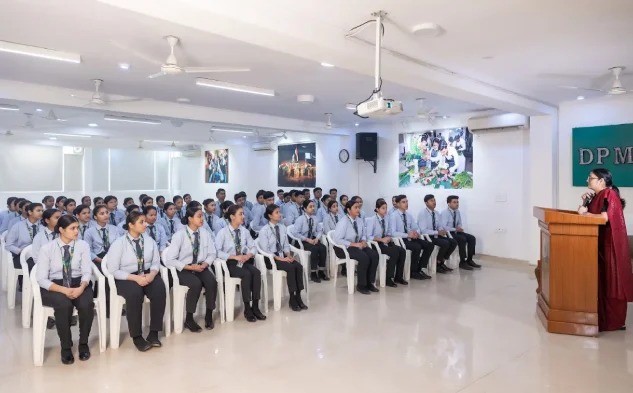
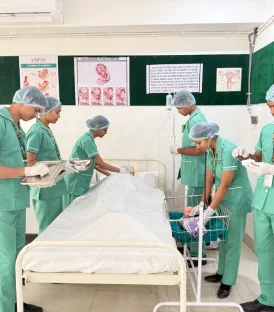
If one is interested in pursuing a career in the Healthcare field, it is very important to understand HEPA Filters and other key technologies used in the operation theatre. DPMI Vocational Institute is committed to providing quality education, combining classroom learning with industry-relevant training, practical exposure and professional mentoring to impart proficient skills required to establish a career in the healthcare and paramedical field. By enrolling at DPMI, one will be taking their first step toward becoming a dedicated and skilled healthcare professional who provides compassionate patient care.