














The Rise of Vegan and Plant-Based Menus

January 19, 2026
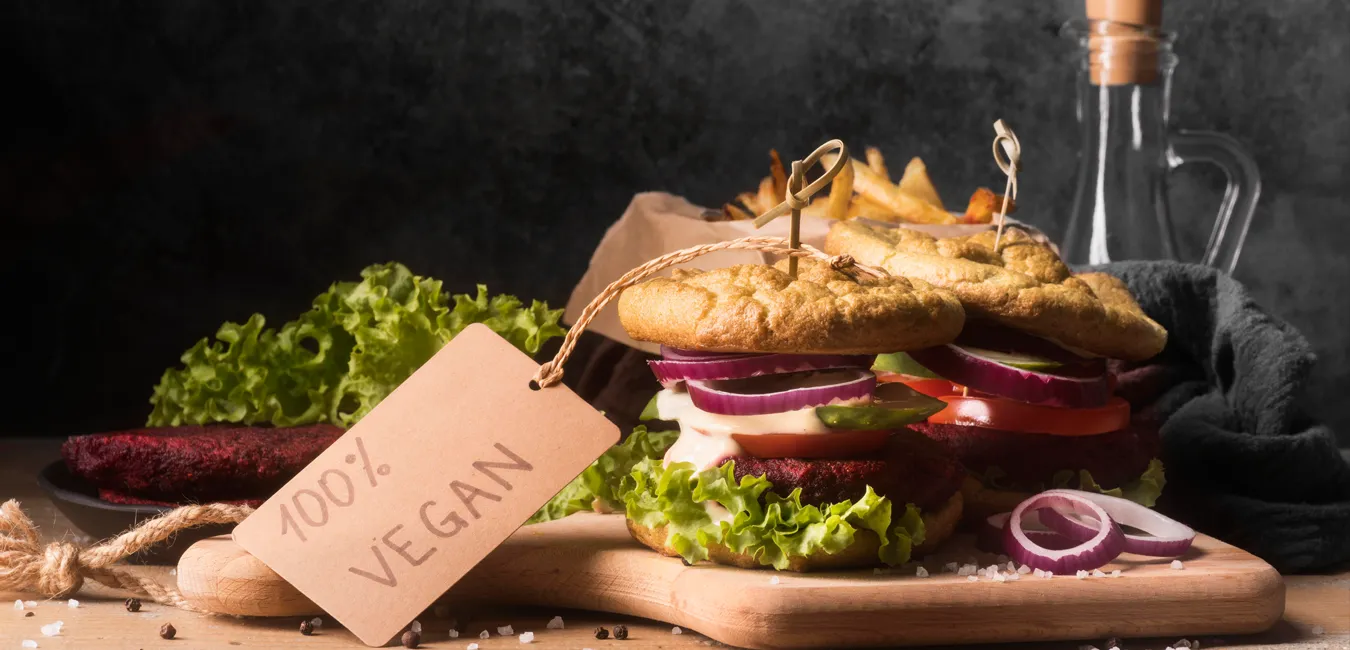
A decade ago, consumer dietary patterns in India experienced a drastic shift, with veganism and plant-based eating emerging as one of the most significant dietary trends on an international scale. The adoption of a vegan/plant-based diet represents a shift not only in lifestyle choices, but also represents a famously followed phenomenon of many disciplines such as food science, nutrition, environment and sustainable behaviour. The food and beverage industry is responding to consumer demand for more of these types of food choices at the same time as a shift toward healthier menus based on available science and evidence within the industry. Thus, plant-based menus are no longer considered an afterthought but are now viewed as a necessity for consumers and chefs alike. As consumers become more aware of health, nutrition, environmental sustainability, etc., the adoption of vegan/plant-based menus will provide insights into current market trends, innovations, changing dietary habits and preferences by understanding a business's customer base and the general shift toward healthier and more responsible usage of food products for the environment.
All About Vegan and Plant-Based Menu
When creating a vegan or plant-based menu, one must ensure to often include only foods that are derived from non-animal sources, while excluding animal products such as meat, dairy, eggs, honey, and gelatin from the menu. While the two terms, i.e., vegan and plant-based, are commonly used interchangeably, vegan represents a philosophy that using animals for food and/or other purposes is unacceptable. The emphasis of many commercial chefs and restaurants is on the health benefits provided by food derived from plant sources only through sustainable and responsible practices.
India's rich tradition of plant-food consumption goes back hundreds of years. Many of the world's largest vegetarian populations live in India and have a base of support from religious groups through philosophies that promote ahimsa (non-violence) and care about how they eat (Buddhism, Jainism, and Hinduism). Many regions of India have always had a history of using lentils, millets, vegetables, and plant oils as their mainstays when creating their diets, and this became so much of an established method of preparing food that it set the groundwork for vegan microwave cooking methods those are currently being developed.
Beginning in the early 2000s, the developing vegan and plant-based industry started coming into people’s awareness in India due to globalisation, a growing awareness of the health benefits of vegan/vegetarian diets, and a growing influence of foreign food preparation techniques coming into India. People were able to access eco-friendly foods from a variety of plant-based dairy products (coconut, nut, rice, etc.), gluten/soy-based products, and plant-based meat substitutes, and many of these products were sold through places that have recently opened.
Peers in metropolitan cities such as Delhi, Mumbai, and Bengaluru began making healthier dietary choices that reflected their own changing lifestyles and growing interest in sustainable food production. Thus, the increasing popularity of plant-based dining options and sustainable purchasing of sustainably produced foods in India is changing the landscape for those who are looking for an environmentally responsible meal option and/or to become part of a plant-based/vegan future.
Reasons for the Growth of Vegan and Plant-Based Menus in India
There are many social, economic and consumer trends that have created significant growth of vegan and plant-based culinary offerings in India, including the changing lifestyle behaviours, health consciousness, increased awareness of sustainability and ethically produced foods, and rising expectations from consumers around health, sustainability and ethical consumption. While vegetarianism is already a part of India's cultural and religious customs, there has been a growing trend toward 100% plant-based eating, which has become more prevalent as the urban population has moved toward looking for healthier product options that align with their personal values.
As more consumers in urban areas are looking for healthier products with sustainable and ethical credentials, the food processing and packaging industry is developing not only new categories of products using alternative protein-based ingredients but also dedicated plant-based food products, providing a wide range of examples of how the demand for vegan and plant-based culinary offering is increasing across India, including restaurants, cafes and home kitchens. Mentioned below are various reasons that contribute to the high percentage growth of vegan and plant-based menus in India:
- Health Consciousness: Awareness of health impact on one’s body and state of well-being has increased the general population’s interest in improving diet and overall health through consuming more whole food sources (vegetables, beans, fruits, nuts, and whole grains). These plant-based dishes offer many of the same benefits as meat products, such as digestion and heart health, but are viewed as “lighter” foods with higher energy to fuel activity and a preferred type of food over meat products.
- Environmental Awareness: People are concerned about climate change and sustainability, which is driving consumers to look for eco-friendly food options. A plant-based diet uses fewer natural resources than a meat diet does and reduces carbon emissions. The restaurants that practice sustainability attract new consumers from across the globe.
- Ethical Considerations: More and more people have compassion for animals and therefore prefer menus without animal products. They want to support cruelty-free values by choosing vegan options. This has led food businesses to create delicious and high-quality vegan choices.
- Global Influence and Social Trends: With social media, travel, and global food content, there has been an increase in the variety of plant-based dishes available. We now have access to plant-based cuisines that different cultures throughout the world offer. Influencers and celebrities promoting veganism have played a large part in mainstreaming plant-based eating.
- Expansion of the Food Industry and Product Innovation: The growth of vegan restaurants, plant-based start-ups, dairy alternatives (almond/oat/soy milk), and meat substitutes has made these choices widely available. Foodservice businesses have found creative ways to use new ingredients and develop new recipes to create plant-based menus that are appealing to the general public.
Begin Your Professional Journey with DPMI Today
The trend toward vegan and plant-based diet options in India signifies a shift toward more conscious, healthier, and sustainable dietary choices. As consumers continue to enjoy new and innovative options, hospitality providers need to capitalise on these culinary opportunities that blend healthfulness, ethics, and creativity. There is a growing recognition of the value of educational and professional development programs geared toward providing future chefs and hospitality professionals with the experience to successfully address the needs of these rapidly changing culinary trends.
For aspiring students and entrepreneurs looking for the best hotel management institute in Delhi to provide them with a firm foundation and the opportunity for the industry experience they'll need as they build their businesses, the franchise model emerging from the growing popularity of hotel management institutes may also present a viable avenue to explore as a rapidly expanding segment of an industry poised for future growth.