





Time Management Tips for Food & Beverage Service

January 23, 2026
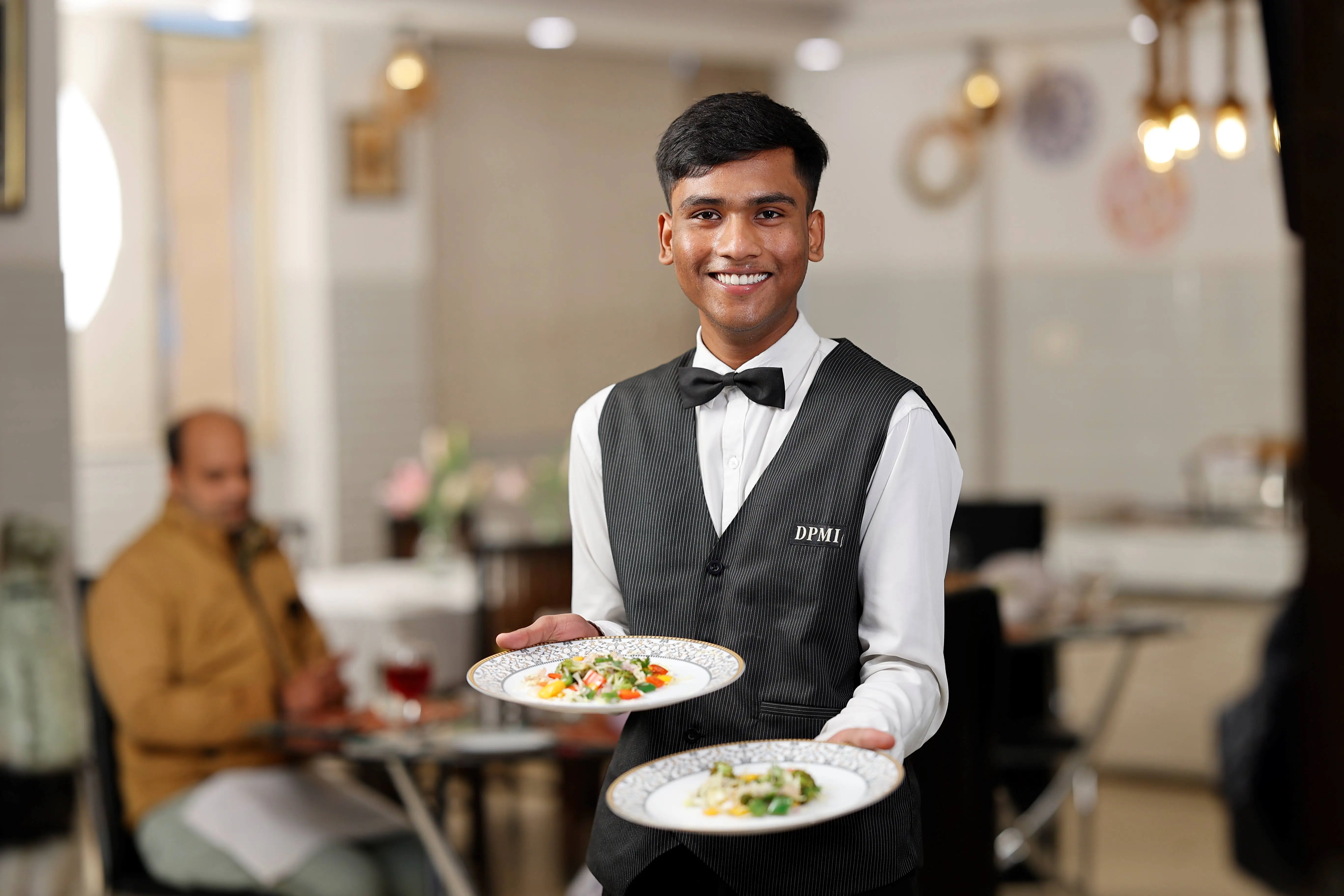
Being able to manage time appropriately is one of the most crucial skills in Food and Beverage (F&B) service, and it directly affects efficiency and satisfaction in service. The hospitality sector relies on speed of exchange, and guests expect high levels of service in a fast-paced environment when interacting with staff in F&B service positions. How effectively time is managed will affect the flow of a service period. Restaurants managing the timing of order taking, food serving, and ensuring appropriate communication between front-of-house (FOH) and back-of-house (BOH) workers are effective. Every second spent by the guest in the hotel premises in a dining experience contributes to the total experience. Consequently, established time management practices are necessary to improve service efficiency and consistency, decrease the likelihood of operational errors, and facilitate resource management in hospitality.
Strategic Approaches to Effective Time Management
Before discussing specific approaches, it is worthwhile to remember that time management in F&B service is not simply about working faster; it is a way of working smarter within the structured system. Service efficiency is achieved by anticipating guest needs, creating workflows for tasks to be coordinated with co-workers, and being mindful of situation awareness in every operation. Once all these variables are addressed, service staff can perform with consistency and quality during busy service periods. The strategic ideas and tips mentioned below can be used to develop efficiency and improve the service environment for guests and team members.
- Pre-Service Preparation: To ensure that staff are not scrambling for tasks once guests start arriving, a thorough pre-service preparation is critical. Pre-arranging cutlery, pre-laying linen, and pre-arranging condiments creates a neat workspace that will decrease serving timings. Reviewing reservations or upcoming special requests allows servers to plan guest consideration while strategically deciding table allocations that will facilitate service. Moreover, it is highly significant to ensure the working of equipment such as point-of-sale machines, coffee machines, and service trays to mitigate disruptions in service during peak working hours.
- Prioritise Tasks During Peak Hours: During busy service times, it is important to distinguish between urgent and non-urgent tasks. The “Serve First, Settle Later” principle helps staff focus on activities that directly affect the guest experience, such as checking in on guests who have already been seated, taking guest orders promptly, serving dishes in a timely fashion, and clearing tables that are needed for the next seating. Non-urgent tasks such as rolling cutlery, pre-laying out side stations, or deep cleaning can take place during slower periods of service. To the extent that servers are guest-facing, the pace of service will not bottleneck, and service flow will continue with minimal waiting times.
- Making the Most Out of Technology: In numerous hospitality environments, time is wasted by using antiquated or manual procedures. By leveraging technology in the course of daily business, delays and inaccuracies that can occur during the process can be significantly reduced. Latest point of sale systems eliminate delays pertaining to fussy paper billing, and the Kitchen Display System (KDS) helps alleviate miscommunication between the staff. Stock management systems help track stock on hand and help plan staffing assignments. The reservations app reduces the risk of double bookings and helps forecast anticipated guest flow. Rather than diminishing the overall experience, technology takes some of the repetitive functions away from the staff and enables the hospitality experience to shift back to personal interaction with the guests.
- Professionalise in the Art of Multi-Tasking: Multitasking effectively means blending compatible tasks, saving time and energy. For instance, while checking on the needs of another guest, clear the table, or safely carry multiple items when possible. For the employees in the hotel, the goal is not to move quickly, but to develop a rhythm of work in constant motion and still pay attention to the details. This version of planned multitasking increases productivity instead of making the guest experience feel hurried and forced.
- End-of-Day Organisation: End-of-Day Organisations are an important contribution to setting up for service the next day. Resetting tables, refilling condiments, cleaning down stations, and checking for inventory shortages ensures a cleaner, more efficient environment for the team opening the next day. Writing notes about obstacles or special concerns ensures that one issue does not creep up in the next shift. Efficiency in the closing-of-the-day organisations can help make demand for opening teams less and everything more consistent from day to day. The smallest behaviour contributes to the overall process for a smoother and more prepared service team.
Boost Your Hospitality Career with DPMI
Time management in Food and Beverage service is ultimately a combination of preparation, awareness, and a coordinated team approach to tasks. When staff can keep their stations organised, sequence priorities, relate to and apply technology in their service practices, they provide the environment for service to flow while they are at their busiest. A clear line of communication with each other, thinking about multitasking, and being steady in high-pressure situations, all contribute to working calmly and efficiently, and to guest satisfaction. Incorporating each of these things into the daily operations will benefit F&B service professionals to improve the service provided, but also create a deeper level of structure, consistency, and productivity, collectively. In an industry where every second matters, effective time management is vital to being hospitable to the guests.
If you're aspiring to build a strong and sustainable career in the hospitality sector, choosing the right institute is the first crucial step. DPMI is acclaimed as one of the best institutes of hotel management in Delhi, offering comprehensive, industry-aligned hotel management courses designed to equip students with the skills demanded by modern F&B and hospitality operations.
Whether you are looking for a hotel management course in Delhi NCR or seeking professional training that will help you gain practical experience, DPMI provides the perfect platform to launch your career.
Also Read: Mocktail Magic: How F&B Staff Can Elevate the Guest Experience