










The Science of Hospitality: How Micro-Moments Impact Reviews

February 19, 2026

Customer experience science is playing an increasingly important role in shaping the future of hospitality. Guest satisfaction can no longer be attributed solely to service quality, amenities, or pricing. Research in behavioural psychology has shown that brief, high-impact interactions—commonly referred to as micro-moments—often outweigh traditional performance indicators when guests perceive, evaluate, and remember their hotel experiences. Although micro-moments may appear insignificant, they activate powerful cognitive and emotional responses that strongly influence overall guest satisfaction and post-stay feedback.
The intersection of micro-moments with cognitive and emotional processes acts as a catalyst for memory formation, emotional appraisal, and expectation management. Positive cues such as personalised greetings or prompt problem resolution reinforce guests’ perceptions of care, competence, and attentiveness among hotel staff. Conversely, a single negative micro-moment can become a point of friction that disproportionately affects the overall experience due to cognitive biases such as negativity dominance. As online reviews tend to focus on emotionally charged memories rather than routine operational details, hospitality professionals must pay close attention to micro-moments in order to foster positive guest sentiment and strengthen brand reputation.
What Are Micro-Moments in Hospitality?
In the hospitality industry, micro-moments are short yet highly influential service interactions that occur throughout the guest journey. These moments significantly shape a guest’s emotional appraisal, memory formation, and overall perception of the hotel. Despite lasting only seconds—such as the initial greeting by a receptionist, the immediate acknowledgement of a request, or the first impression upon entering a guest room—micro-moments play a pivotal role in how guests interpret service quality.
Examples of micro-moments in hospitality include:
- The initial greeting and first eye contact
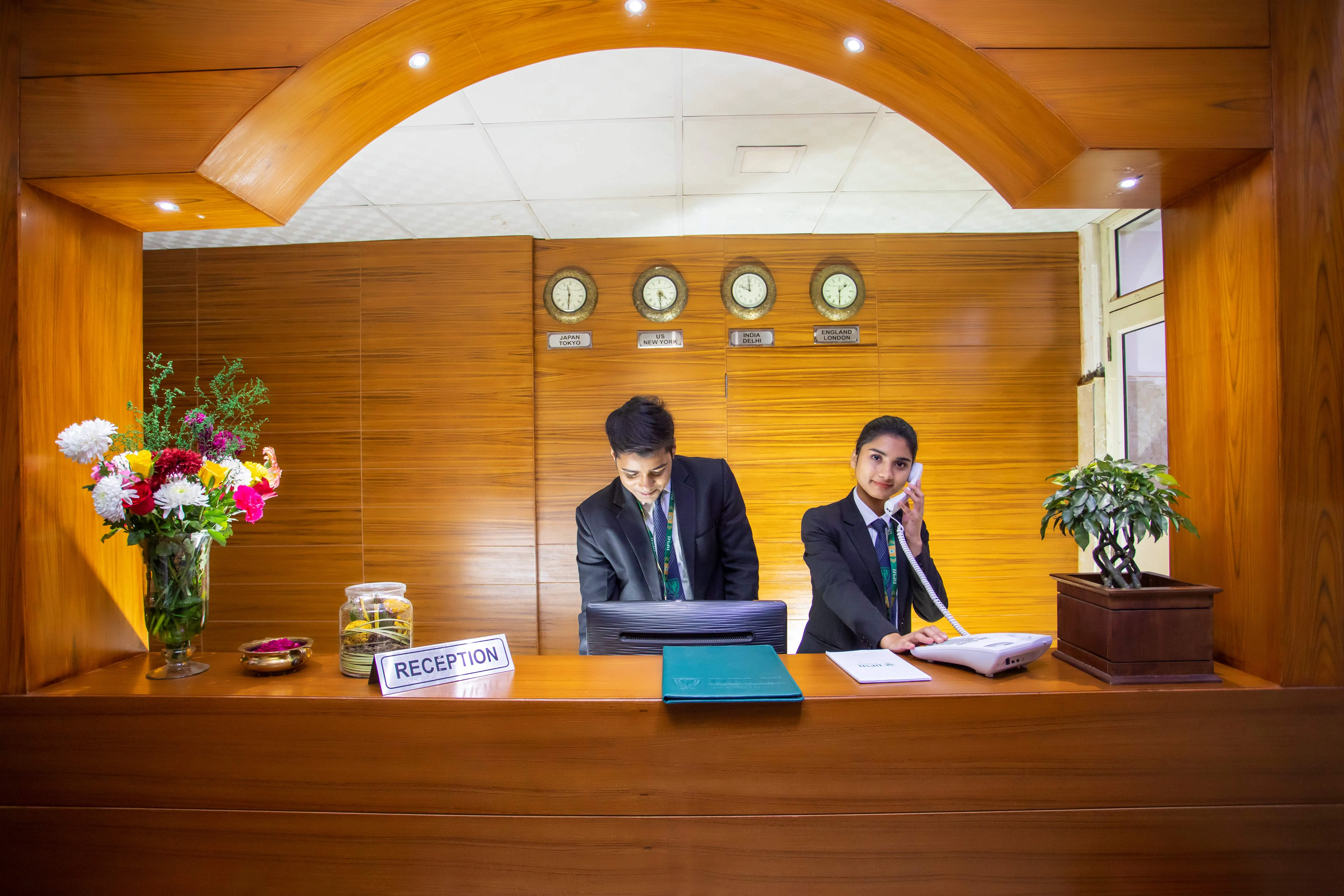
- The speed, clarity, and friendliness of front-desk interactions
- The first impression when the guest opens their room door
- Proactively offering assistance before a guest asks
- A smooth, efficient, and friendly departure interaction
The Science Behind Micro-Moments
Concepts from cognitive psychology, behavioural science, and service management support the significance of micro-moments in hospitality. These brief interactions shape guests’ perceptions through emotional and cognitive responses rather than the duration of service encounters.
Understanding the science behind micro-moments enables hospitality professionals to design meaningful interactions that enhance guest satisfaction, improve memory recall, and influence online reviews. Key theories that underpin micro-moment analysis include:
The Peak-End Rule: Research by behavioural scientists Daniel Kahneman and Barbara Fredrickson suggests that individuals evaluate experiences primarily based on emotional peaks and the final moments. Micro-moments often represent emotional peaks during a hotel stay; therefore, a single exceptionally positive or negative interaction can disproportionately influence a guest’s overall perception.
Affective Priming and Emotional Contagion: Micro-moments generate immediate emotional responses that “prime” how guests interpret subsequent interactions. A warm greeting or empathetic response can establish a positive emotional tone, whereas indifference or poor attitude can negatively influence the rest of the guest experience.
Cognitive Biases and Heuristics: Guests rely on mental shortcuts when assessing service quality. The halo effect explains how a single positive interaction can elevate the entire experience, while negativity bias illustrates how one negative moment can overshadow several positive ones. These biases clarify why guests often emphasise minor gestures or mistakes in reviews.
Expectancy-Confirmation Theory: Guests arrive with both explicit and implicit expectations. Micro-moments either confirm, exceed, or violate these expectations. When expectations are exceeded, guest satisfaction and loyalty increase. When expectations are violated, dissatisfaction arises, often resulting in lower review ratings.
How Micro-Moments Shape Guest Review Behaviour
Micro-moments play a crucial role in how guests construct and express their evaluations in online reviews. Because these moments are emotionally salient and easily remembered, they frequently become focal points in review narratives. Guests may not recall every aspect of their stay, but they clearly remember moments that made them feel valued, supported, inconvenienced, or neglected. These emotional references significantly influence both the tone and rating of reviews.
1. Emotional Highs Shape Review Narratives: Guests’ memories are driven by emotional peaks and lows, which form the basis for judging an experience as “good” or “bad”.
2. Cognitive Bias Activation: Positive micro-moments trigger the halo effect, while negative micro-moments activate negativity bias, disproportionately influencing overall evaluations.
3. Enhanced Memory Recall: Micro-moments are more vivid than routine interactions, making them easier to recall and more likely to be highlighted in reviews.
4. Expectation Reinforcement or Violation: Positive micro-moments often serve as key differentiators between competing hotels and reinforce brand preference.
5. Influence on Rating Decisions: Emotional impressions derived from micro-moments directly impact star ratings, as guests frequently rely on feelings rather than objective service metrics.
Conclusion
Micro-moments are small yet powerful elements of the guest journey. They play a critical role in shaping perceptions, creating lasting memories, and influencing online reviews. Grounded in cognitive psychology and service interaction theory, micro-moments evoke strong emotional responses that often outweigh the cumulative effect of routine service encounters. By intentionally designing emotionally engaging micro-moments, hospitality organisations can enhance guest satisfaction, foster long-term loyalty, and strengthen their online reputation.
For students and professionals seeking to master these subtle dimensions of service excellence, educational environments that emphasise guest psychology, experiential design, and service behaviour are essential. Institutions such as DPMI aim to build this foundation through a balanced blend of theoretical knowledge and practical training, equipping the next generation of hospitality professionals for successful careers.