










Understanding Mocktails & Their Modern Appeal

January 30, 2026
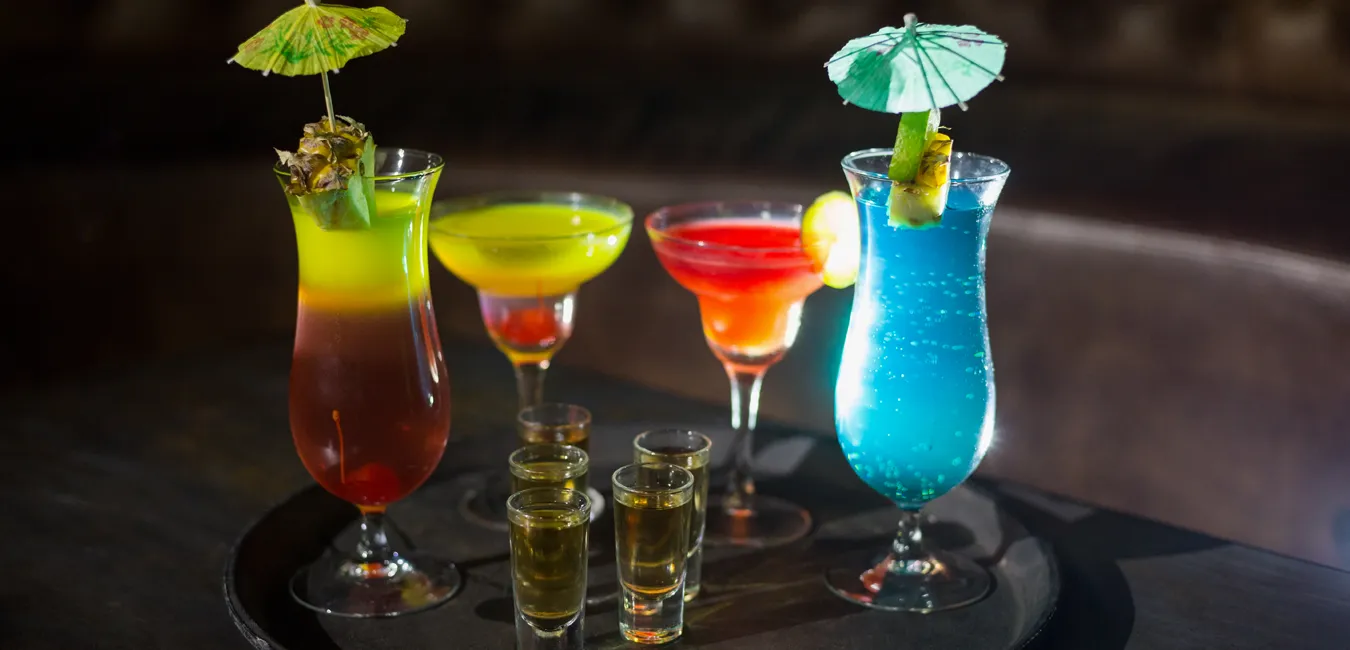
Recently, mocktails have evolved from just a non-alcoholic version of a cocktail to an accepted part of modern drinking culture. They go beyond the components of creativity, wellness, or healthfulness, and inclusivity, and are a growing element of contemporary hospitality. The finished mocktails are made with fresh ingredients, often sourced locally, are mindful of flavour combinations, and are usually pleasing to the eye, signalling that there is a market for patrons who want to be aware of what they are consuming without sacrificing taste or experience. The unique flavours for mocktails suggest a shift in consumer preferences and speak to the larger trends in the hospitality industry, for modernising, health and well-being, inclusivity, and socially oriented societies.
What do we understand by a Mocktail?
The word “mocktail” comes from the root word “mock," which means imitating, and "cocktail," which refers to a mixed drink that contains alcohol. A mocktail is a drink that does not contain alcohol and attempts to copy the sensory, aesthetic, and structural experiences of cocktails without the alcohol. Mocktails can be made from refreshing combinations of fruit juices, flavored syrups, herbs, spices, a sparkling base, or fresh garnishes to enhance taste, complexity, and visual appeal. As part of the modern beverage industry, mocktails apply mixology principles to create alcohol-free experiences in a contemporary single-serve format, emphasizing richer, health-driven alternatives.
What are the Types of Mocktails?
Mocktails are divided into various categories based on their preparation methods, base ingredients, and flavor profiles. Each category showcases different combinations of balance, presentation, and sensory experience in non-alcoholic mixology.
The main categories are:
- Fruit-Based Mocktails: The main wellness and fruit-based mocktails are made using fresh fruit juices, purees, or muddled fruit. The natural sweetness, vibrant colors, and high nutritional value stand out in fruit-based mocktails, which are the highlight of the drink.
- Herbal and Botanical Mocktails: This category of mocktails utilises herbs, spices, and botanicals, like basil, mint, rosemary, or ginger, to produce complex layers of flavour. Herbal infusions not only provide flavour and aroma to beverages but also support a perceived wellness value, adding to the modern appeal of mocktails.
- Carbonated or Sparkling Mocktails: The main characteristic of these beverages is their bubbles, which they achieve using soda, tonic water, or sparkling mineral water as a base. These beverages are refreshing and beautiful and are often served at social gatherings to give the celebratory feeling you may get from sparkling wines or cocktails.
Wellness Appeal of Mocktails
The attraction of mocktails in the wellness movement intersects and sustains at the crossroads of health consciousness, mindful consumption, and contemporary lifestyle requisites. Recently, consumers have shown a growing preference for beverages that engender not only higher sensory enjoyment but also an increasingly positive contribution to overall well-being. Mocktails, being completely alcohol-free, fulfil this need competently by providing refreshing non-alcoholic drinks that are nutritional alternatives to traditional alcoholic drinks.
With respect to nutrition, mocktails usually contain fresh fruits, herbs, and natural sweeteners, which benefit the drinker's hydration, vitamins, and antioxidants. For instance, the inclusion of citrus fruits can help increase vitamin C, while herbs such as mint, basil, and ginger may provide digestive or detoxification benefits. The mocktail drinks, apart from being fat-free, also alleviate the calorie content associated with alcoholic beverages and avoid the negative physiological effects of alcohol consumption. Mocktails adopt a preventive health and wellness message through nutrition, by promoting sober recreational consumption, calorie reduction, and participation in wellness trends.
The psychological dimension of wellness is often underexplored in mainstream discussions. Mocktails enhance accessibility by giving people a way to engage with their surroundings while sustaining their choices of not consuming alcohol. They facilitate enjoying social occasions with no stress and support the global trend of mindfulness, or moderating alcohol consumption and becoming conscious of one's drinking.
The Future of Mocktails: Conclusion
Mocktails are set to grow further as the beverage industry moves toward a more wellness-oriented, sustainable, and inclusive model. Consumers increasingly value health-conscious and socially responsible alternatives, which have established mocktails as a crucial hallmark of hospitality today. The exploration of sustainable ingredients, superfoods, and botanicals shows an increased interest in beverages that are flavourful and packed with nutritional value.
The rise of alcohol-free bars, specialised beverage menus, and the discussion of wellness when it comes to dining shows that these non-alcoholic beverages, once said to be on the periphery of the food and beverage space, are now becoming one of the more significant aspects of our contemporary mocktail market.
At DPMI, through our Hotel Management Courses, we furnish students with the knowledge, creativity, and technical prowess to excel in all evolving trends in food and beverage. Anyone who learns the art and the science of making these mocktail-inspired beverages will receive hands-on experience that will create a marketable skill set and prepare them for a new career in the international hospitality industry.
Also Read: Mocktail Magic: How F&B Staff Can Elevate the Guest Experience