









Impact of Public Health Nurses in Rural Communities

January 07, 2026
The cornerstone of a nation’s health is public wellness, which focuses on disease prevention, addressing health equity, and designing settings where individuals and communities can flourish. Nevertheless, these aspirations are severely challenged, especially in rural and other remote areas where hospitals are few and far apart, there are too few healthcare professionals, significant socioeconomic gaps and people live in geographic isolation. All of these factors limit access to adequate medical care and contribute to existing health inequities, increased vulnerability to preventable diseases, and poor health outcomes.
As a solution to the above-mentioned problems, community-based healthcare is an important strategy for building strong public health systems because it integrates care with health education, sanitation, maternal and child health, and health promotion interventions that meet the needs of the local community. A major contributor to this system is healthcare professionals who deliver services within communities in alignment with national health policies, ensuring that services are appropriate, accessible, and culturally relevant. Public Health Nurses (PHNs) offer a unique opportunity to make health systems responsive to the needs of people living in rural and remote areas by working directly with communities and individuals. The work that public health nurses do with communities goes beyond delivering nursing care—they support communities in building equitable health and long-term resilience.
Who are Public Health Nurses (PHNs)?
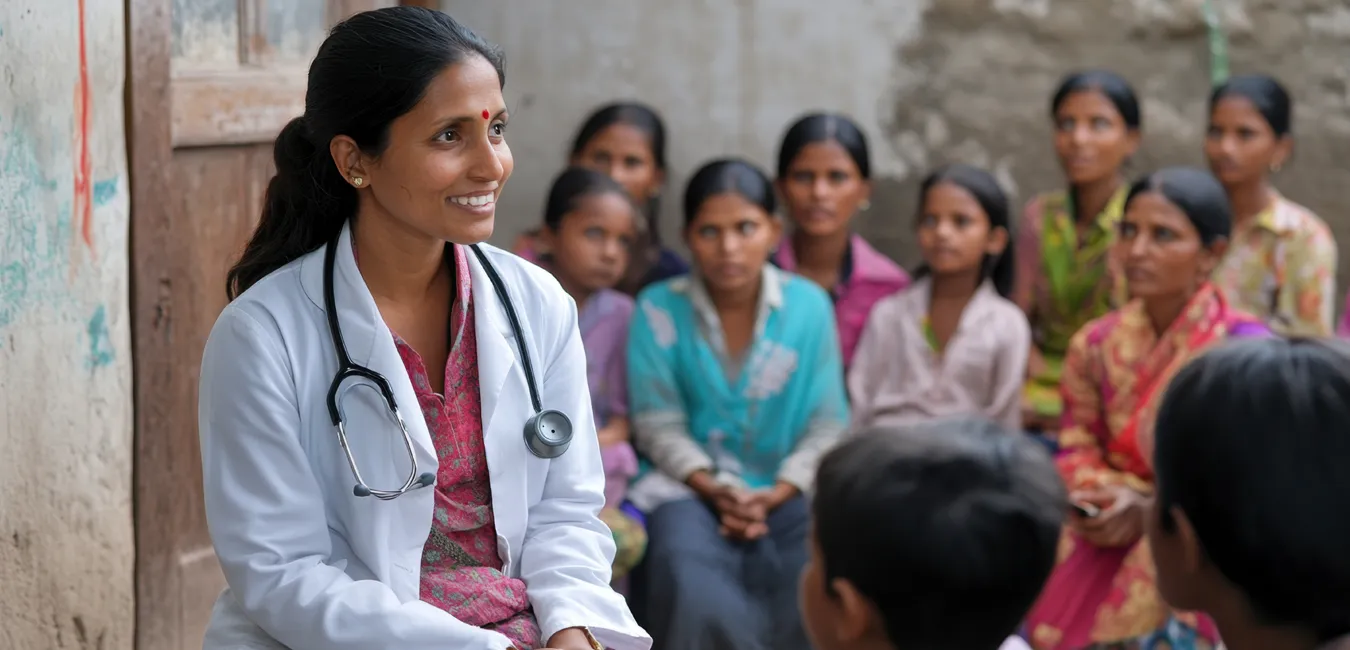
Public Health Nurses (PHNs) play a vital role in community-based healthcare systems, especially in rural or under-resourced areas without easy access to hospitals or specialists. Their role goes beyond clinical care, as they function as care providers, educators, advocates, and community leaders working at the intersection of health and social development. Through direct and sustained engagement with individuals and families, PHNs help bridge the gap between institutional healthcare systems and at-risk local communities, ensuring that services reach the most marginalized populations.
Their professional scope includes a broad range of preventive and promotive health activities such as immunizations, health screenings, and educational campaigns on sanitation, nutrition, and communicable diseases. Often, they are the first healthcare contact for rural populations seeking medical advice or social and emotional support. Through evidence-based interventions, health education, and disease surveillance, PHNs aim not only to reduce preventable morbidity and mortality but also to build community capacity to take ownership of their health.
Why are Public Health Nurses (PHNs) Required in India?
India’s healthcare system faces large disparities in geography, socioeconomic status, and a high burden of preventable diseases. Public Health Nurses (PHNs) are essential for addressing these public health challenges and ensuring effective implementation of health interventions.
Their significance in the Indian context includes the following:
- Rural–Urban Divide in Health Care: Approximately 65% of India’s population lives in rural areas, which are mostly served by primary healthcare centres with limited access to physicians or specialists. PHNs enhance continuity of community-based healthcare in such remote areas, where health and wellness is often neglected due to numerous constraints.
- High Burden of Preventable Diseases: Preventable diseases, including tuberculosis, diarrheal diseases, malaria, and vaccine-preventable illnesses, have high incidence rates in India. PHNs focus on early detection and vaccination strategies to mitigate these risks. This has twofold benefits: improving public health and contributing to better life expectancy at the national level.
- Shortage of Healthcare Professionals: India faces a shortage of healthcare professionals, especially in remote regions. PHNs act as an extension of the health system in homes and communities by providing health education and basic medical support.
- Maternal and Child Health Needs: Public health indicators in India still show challenges in maternal mortality, child malnutrition, and immunization rates. PHNs support pregnant women, newborns, and young mothers, contributing to improved long-term health outcomes.
- Public Health Emergencies and Surveillance: Effective management of public health emergencies requires strong local surveillance systems—an area where PHNs are particularly well-suited. They conduct routine household surveillance, track unusual illness patterns, and report early warning signs to health authorities.
Practice Community Healthcare at DPMI
The role of Public Health Nurses (PHNs) in India extends far beyond traditional nursing. They form the backbone of community-based healthcare, connecting geographically isolated and socio-economically disadvantaged populations to essential health services. By addressing healthcare needs at the local level, PHNs help reduce longstanding inequities in access, awareness, and health outcomes.
Their wide-ranging contributions—from maternal and child health and chronic disease management to disease surveillance and emergency response—highlight the integral role they play in strengthening India’s public health system. In rural communities, where clinical providers and healthcare facilities are limited, PHNs serve as irreplaceable caregivers, educators, advocates, and trusted partners in promoting community health and wellness.
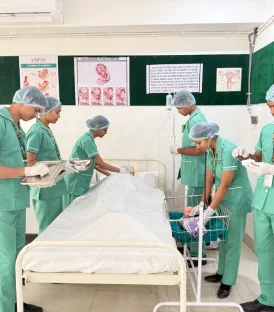
At DPMI, students preparing for careers in nursing receive comprehensive training that aligns with the core principles and practices of Community Health Nursing (CHN). Learners gain a strong academic foundation as well as hands-on experience through community-based fieldwork. This practical exposure equips them with the skills, confidence, and compassion needed to serve diverse populations effectively. Through industry-relevant programs and community engagement opportunities, DPMI nurtures future healthcare professionals who are ready to contribute meaningfully to India’s evolving public health landscape.
Also Read: Importance Of Door-to-Door Nursing In India