












How Artificial Intelligence Is Revolutionizing the Hotel Industry?

December 18, 2025
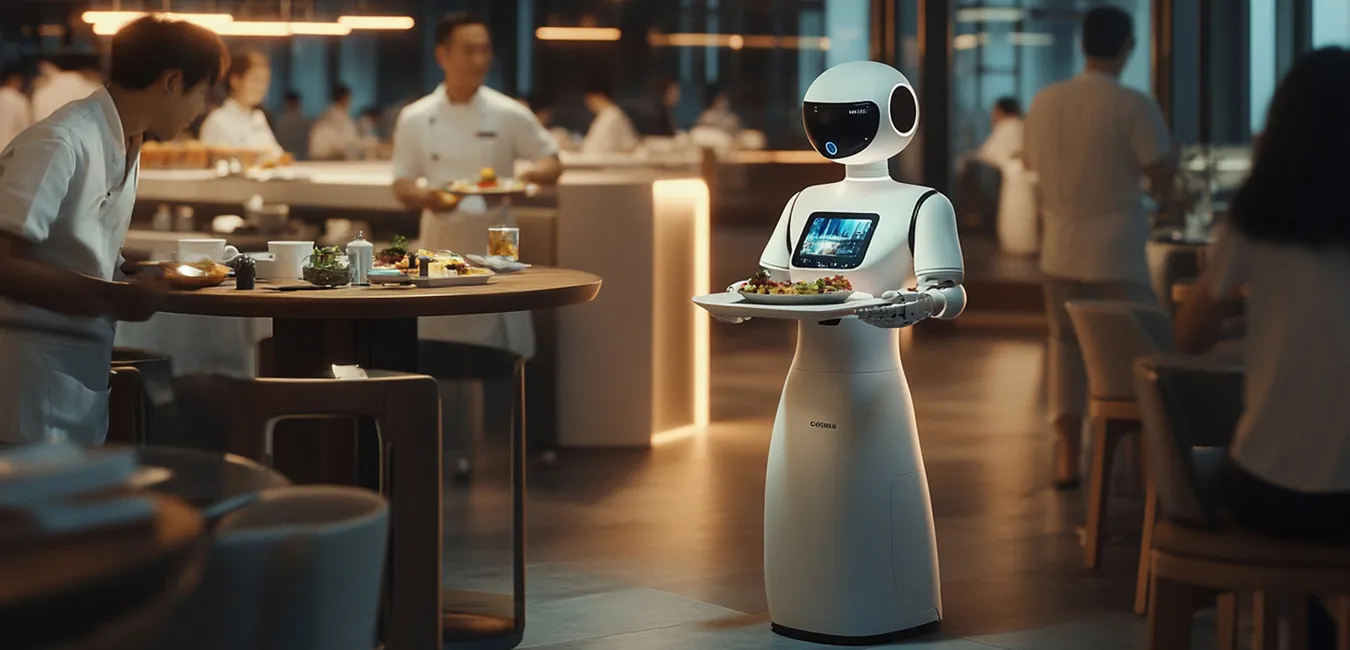
Artificial Intelligence (AI) is transforming the hotel industry by streamlining operations, enhancing customer experiences, and driving efficiency. As hospitality becomes more competitive, hotels are increasingly turning to AI technologies to stay ahead and meet the evolving expectations of travelers. Here’s a closer look at how AI is proving to be a game-changer in this sector.
Personalized Guest Experience
One of the most significant advantages of AI in the hotel industry is the ability to personalize guest experiences. AI systems analyze data from past stays, preferences, and online behavior to offer tailored recommendations and services. For example, AI-powered customer relationship management (CRM) systems can remember a guest’s room preference, preferred check-in time, or dietary restrictions. This leads to a more customized and memorable stay, increasing guest satisfaction and loyalty.
Chatbots and Virtual Assistants
AI-powered chatbots and virtual assistants are becoming common on hotel websites and mobile apps. These tools can handle a wide range of customer service tasks, such as answering frequently asked questions, assisting with bookings, providing information about hotel amenities, and even offering local travel tips. Available 24/7, chatbots reduce the workload on human staff while ensuring guests receive instant responses at any time of the day.
Dynamic Pricing and Revenue Management
AI algorithms are highly effective in dynamic pricing strategies. These systems analyze variables such as market demand, competitor pricing, seasonality, and booking trends to adjust room rates in real time. This helps hotels optimize revenue and maintain competitive pricing. By forecasting demand more accurately, AI tools also aid in inventory management and staff scheduling, contributing to better operational efficiency.
Enhanced Operational Efficiency
AI is also playing a crucial role in improving hotel operations. Predictive maintenance systems use AI to monitor equipment performance and predict failures before they occur, reducing downtime and repair costs. In housekeeping, AI can help optimize cleaning schedules based on guest check-in and check-out times. Additionally, robotic process automation (RPA) can handle routine administrative tasks like data entry and invoice processing, allowing staff to focus on more guest-centric activities.
Voice and Facial Recognition Technologies
Some hotels are implementing AI-driven voice and facial recognition systems to streamline guest check-ins and enhance security. Voice-activated room controls allow guests to adjust lighting, temperature, or order room service without lifting a finger. Facial recognition speeds up the check-in process and improves access control, providing a seamless and modern experience for tech-savvy travelers.
Data Analytics and Business Insights
AI systems can process and analyze vast amounts of data to provide valuable business insights. Hotel managers can use these insights to identify trends, understand guest behavior, and make informed decisions about marketing strategies, service improvements, or investment priorities. For instance, data analysis might reveal that a particular type of room is more popular during certain seasons, allowing the hotel to promote that room more aggressively during the right time.
Multilingual Communication
AI-powered translation tools help hotels overcome language barriers and serve international guests more effectively. These tools can translate guest inquiries in real time, making communication smoother and more inclusive. This is particularly useful for global hotel chains or properties located in tourist-heavy areas.
Conclusion
AI is reshaping the hotel industry in numerous ways—from enhancing guest experience and automating routine tasks to improving pricing strategies and gaining deeper business insights. As technology continues to evolve, the adoption of AI will become even more widespread, helping hotels stay competitive, efficient, and guest-focused in a fast-paced digital world.
Also Read: The Art of Service: Mastering Etiquette in 5-Star Hotel Food and Beverage Operations