




Dining Etiquette Around The World

January 02, 2026
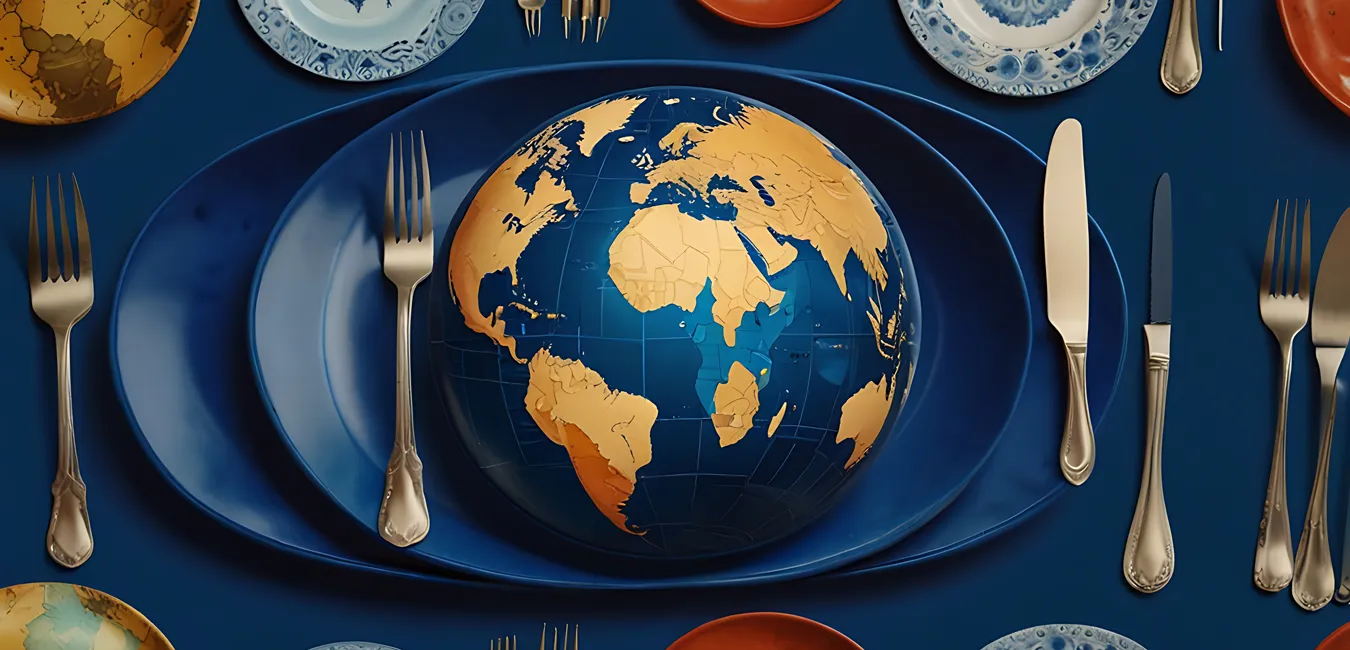
Dining behaviour in different cultures is influenced by their culture, history, and society, with the way people eat also influencing how they perceive themselves and their identity. The function of eating is only a small part of dining behaviours, and therefore, how people behave at the dinner table also has great meaning with respect to their status, social cohesion, and hierarchy. As borders become more porous due to increased global travel and intercultural interaction through hospitality and business, people need to be familiar with these different dining norms as part of their job responsibilities. Understanding cultural differences in dining etiquette can help foster an inclusive mindset, prevent conflict, and lead to a greater appreciation of cultural diversity and professionalism.
Why Dining Etiquette Matters?
Dining etiquette doesn’t just exist as arbitrary rules, but it's also embedded in culture through a series of communication systems for displaying respect, recognising social contexts, and showing interpersonal sensitivity. For many cultures, dining etiquette is linked to upbringing, profession, and adaptability to different cultural ways of doing things. As the world becomes increasingly mobile, with people working in multicultural environments, travelling internationally, and socialising in diverse settings, understanding dining etiquette has become an essential soft skill for those entering or already working in the hospitality, tourism, and other service industries.
Being able to demonstrate knowledge of dining etiquette and implementing this when interacting with guests adds to their experience, preventing any potential misunderstandings due to cultural differences; it also increases levels of trust between persons of different cultures. Therefore, the values of dining etiquette represent an individual's capability to skilfully adjust when navigating through social environments with emotional sensitivity, awareness of cultural differences, and proper etiquette.
Dining Etiquette Around the World: Regional Perspectives
Across the globe, the dining etiquette varies based on different cultures and traditional beliefs. The restaurants in the current age, to attract new consumers and respect the tradition of numerous tourists in the city, shall curate dining experiences that are both culturally sensitive and globally informed.
European Dining Etiquette
The customs and cultural norms of Europe set the stage for dining etiquette by establishing a code of conduct, sophistication, and appropriate behaviour between diners (tablemates) at the dinner table. This code of conduct is present across all European countries (e.g., Germany, France, and Italy), with two of the most significant areas of etiquette - being the way diners use their utensils while eating and the way they are expected to act when seated at a dinner table. European countries have their own regional variations of dining etiquette; for example, in France, it is customary to put the loaf of bread on the tablecloth itself, while in Italy, it is against the law to drink a coffee or cappuccino after the hours of early morning prayer. While these customs do differ regionally, they both serve to promote the European ideal of the dining experience as one that reflects cultural and social order and sophistication.
Chinese Dining Etiquette
Chinese dining etiquette is largely based on Confucian beliefs about hierarchy, harmony, and the importance of the group. In most cases, dining in China takes place in a family-style setting, with food typically being served from a communal bowl located in the centre of the table. Therefore, it is customary for a member of a family who is older than you (father, grandfather/uncles, etc.) to be served first and for diners to wait until the older family member has begun eating before they begin eating. This demonstrates respect for the elder.
Chopsticks are both functional and symbolic items in Chinese kitchens; many actions, such as pointing at bowls or striking bowls with chopsticks, or sticking chopsticks upright into cooked rice, are considered disrespectful, and they derive their disrespectful symbolism from the Chinese association of death and funerary practices.
Japanese Dining Etiquette
The Japanese have a very precise, elaborate, and aesthetically minded system of dining etiquette. The Japanese use the word “itadakimasu” to offer thanks and appreciation for their meal. Similar to the word “itadakimasu”, the Japanese people say “gochisousama deshita” at the end of their meal. In Japan, there are very specific rules regarding the use of chopsticks during dining; it is considered inappropriate to pass food using chopsticks, to spear food using chopsticks, or to move food using chopsticks. Additionally, slurping noodles while eating is not only approved but also seen as a sign of enjoyment. The Japanese also provide wet towels (called “oshibori”) for washing one’s hands before eating; however, it is not recommended to use these towels on one’s face or body.
Korean Dining Etiquette
Dining etiquette in Korea is very influenced by Confucian concepts of seniority, how to treat and respect others, and maintaining social harmony. Before a meal can start at a table, there must be an elder present who takes the first bite. A way to show that someone has respect for someone else (especially if they are older than you) is to offer them a drink or pour them a drink into their glass. When you are giving drinks to show respect to someone at the dinner table, the person receiving will hold their glass with two hands as they take. While using chopsticks and a spoon together when eating, it can be done differently than it is in other countries, and it is considered disrespectful to put chopsticks directly into a bowl of rice due to its representation of a type of ceremonial practice when someone becomes deceased.
Middle Eastern Dining Etiquette
The customs associated with Islamic and Middle Eastern dining etiquette arise from the significance of religion, family, hospitality, and respect for the individual. The right hand is seen as the clean hand in Islamic culture and is the proper hand for eating. So food is typically served on communal platters and shared with all guests at the same time. Traditional hospitality means that meals are served for more than one person, and guests are typically greeted with a warm welcome and a generous meal. In many Middle Eastern countries, it is customary to remove one’s shoes upon entering a home. Meals are served at low tables or on the floor to create a sense of closeness and family. All of these aspects of Middle Eastern dining demonstrate spirituality, generosity, and community values, which are all a part of Islamic and Middle Eastern culture.
Indian Dining Etiquette
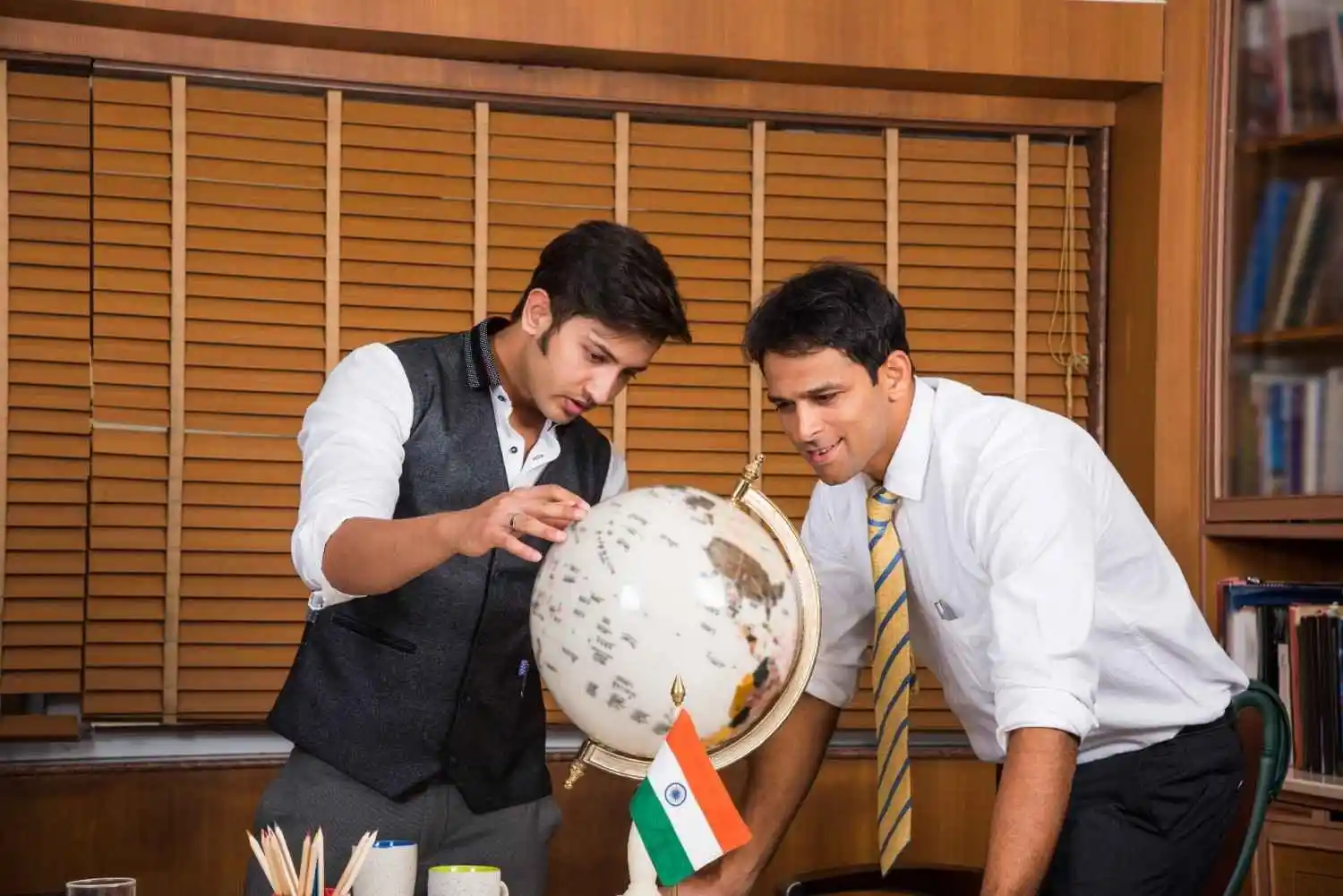
The dining customs and traditions of India are based on a variety of cultural diversities and spiritual beliefs, as well as the region in which one resides. As it relates to family, in many cultures within India, it is customary to eat with only the right hand. The festival is one where foods are made from multiple, distinct types of components. When dining with a family, it is customary for individual dining spaces to be respected. However, sharing food within families is very common. Dietary customs of various communities vary greatly, based upon communities, religious beliefs, caste system, and regions, and vegetarianism and dietary restrictions based on food purity are very important within many Indian households.
Conclusion
Dining etiquette in various cultures is not only about exhibiting good manners; it is an imperative part of a person’s skill set within the hospitality, tourism and global services sector. When restaurants and hotels cater to a large number of international guests, the professionals within these industries need to have a high level of cultural intelligence, excellent service behaviour and the ability to adapt to the many different styles of dining within these cultures. Developing these necessary skills will improve the overall experience of the guest and will ultimately define the person as a true professional in world-class hospitality.
For students aspiring to build successful careers in this dynamic industry, enrolling in specialised training becomes crucial. DPMI provides some of the most organised and well-enriched programmes in hotel management in Delhi, designed to equip learners with both practical competencies and cultural awareness. Whether you are exploring a diploma or seeking advanced training, choosing the correct hotel management course in Delhi NCR can transform your career trajectory and prepare you for opportunities across the global hospitality sector.
Also Read: Modern Culinary Techniques That Elevate Taste and Presentation